This 400-500 word reading passage explores energy efficiency in buildings for middle school students in grades 6-8. Students learn how energy efficiency means achieving the same comfort while using less power through practical improvements like adding insulation, sealing air leaks, switching to LED light bulbs, upgrading to efficient appliances, and installing smart thermostats. The passage explains that heating, cooling, and powering buildings account for a significant portion of total energy use, making efficiency improvements crucial for reducing carbon emissions and saving money. Aligned to NGSS standard MS-ESS3-4, this audio-integrated lesson helps students understand that energy efficiency is often the fastest and most cost-effective way to reduce environmental impact. The passage includes real-world examples and emphasizes how small changes across millions of buildings create substantial collective benefits. Students explore key vocabulary including thermal energy, insulation, energy efficiency, appliances, thermostat, and carbon emissions while developing scientific literacy skills.
Written by Workybooks TeamPublished by Workybooks
Preview
Sample passage and quiz content
CONTENT PREVIEW
Expand content preview
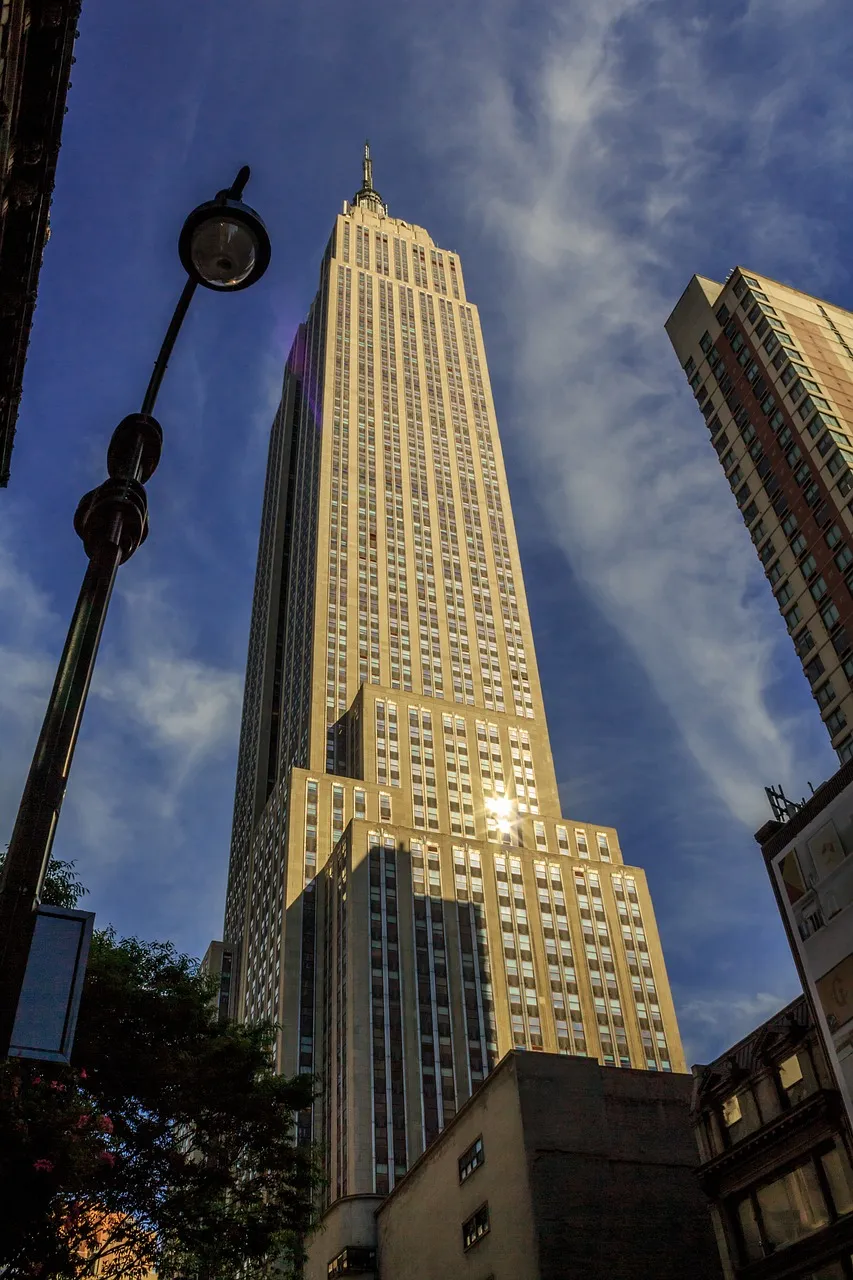
The Empire State Building in New York underwent energy efficiency upgrades in 2009. Workers added better insulation and installed efficient windows.Image by somasung / Pixabay.
Sometimes the best clean energy is the energy you never use. Energy efficiency means getting the same comfort and services while using less power. Buildings use enormous amounts of energy for heating, cooling, and electricity. Evidence shows that improving how buildings use energy can reduce waste significantly.
One major way to improve efficiency involves insulation. Insulation acts like a thick blanket wrapped around a building. It keeps thermal energy inside during winter and outside during summer. When buildings lack proper insulation, heat escapes through walls, roofs, and floors. Sealing air leaks around windows and doors also prevents energy waste. Scientists explain that these improvements can reduce heating and cooling needs by 20 to 30 percent.
Lighting and appliances offer another opportunity for efficiency. Traditional incandescent bulbs waste most of their energy as heat. LED bulbs use 75 percent less energy and last much longer. Efficient refrigerators, washing machines, and other appliances also consume less electricity while performing the same tasks. A smart thermostat can automatically adjust temperatures when rooms are empty. This prevents wasting energy heating or cooling spaces that nobody uses.
Real-world data demonstrates the power of these changes. The Empire State Building in New York underwent energy efficiency upgrades in 2009. Workers added better insulation and installed efficient windows. They upgraded lighting systems throughout the building. These improvements reduced the building's energy use by 38 percent. The project saved millions of dollars in energy costs each year.
Energy efficiency matters because buildings account for about 40 percent of total energy use in the United States. Heating and cooling alone represent the largest energy expense for most homes and schools. When millions of buildings make small improvements, the combined impact becomes enormous. Efficiency reduces carbon emissions from power plants that burn fossil fuels. It also saves money for families and businesses. Evidence shows that efficiency improvements often cost less than building new power plants.
Interesting Fact: If every American home replaced just one traditional light bulb with an LED bulb, the energy saved could power three million homes for a year.
What does energy efficiency mean?
Using more power to get better comfortGetting the same comfort while using less powerTurning off all appliances in a buildingBuilding new power plants
How does insulation help buildings save energy?
It generates electricity from sunlightIt cools the air inside buildingsIt keeps thermal energy inside during winter and outside during summerIt replaces old light bulbs
What does the term 'thermal energy' mean in this passage?
Electricity from power plantsHeat energy that can move from warmer to cooler areasLight from LED bulbsEnergy stored in appliances
According to the passage, LED bulbs use how much less energy than traditional bulbs?
25 percent less50 percent less75 percent less90 percent less
What can you infer about why the Empire State Building's energy upgrades were considered successful?
They made the building tallerThey reduced energy use by 38 percent and saved millions of dollarsThey changed the building's appearanceThey added more offices
Why do smart thermostats help save energy?
They produce their own electricityThey automatically adjust temperatures and don't heat or cool empty roomsThey replace insulation in wallsThey turn off all appliances
If a school wanted to reduce its energy costs, which strategy from the passage would likely have the greatest impact?
Painting the building a different colorAdding more windowsCombining insulation improvements, LED lighting, and smart thermostatsBuilding a new gym
What percentage of total energy use in the United States comes from buildings?
About 20 percentAbout 30 percentAbout 40 percentAbout 60 percent
True or False: Traditional incandescent light bulbs waste most of their energy as heat.
TrueFalse
True or False: Energy efficiency improvements usually cost more than building new power plants.
TrueFalse
Who it's for
Perfect for the way you teach
Teachers
Build comprehension skills
Auto-graded quiz
Differentiated reading
Parents
Read together at home
Improve fluency
Quiet reading time
Homeschoolers
Reading curriculum support
Independent practice
Track Lexile growth
Topics
energy efficiencybuildingsinsulationLED bulbssmart thermostatsheating and coolingcarbon emissionsNGSS MS-ESS3-4
Reviews & Ratings
No reviews yet. Be the first to share your experience!
More reading you might love
20 more
Natural Disaster: Tornadoes
Tornadoes are dangerous spinning columns of air. Knowing the signs and having safety plans can help protect you from the...
RI.3.1RI.4.4RI.4.2RI.5.2
Conservation Strategies
This comprehensive passage introduces students in grades 6-8 to the major strategies used in conservation biology, such ...
MS-LS2-5MS-ESS3-4
Environmental Problems and Solutions
This passage for grades 6-8 introduces major environmental problems such as habitat loss, pollution, climate change, inv...
MS-LS2-4MS-ESS3-3MS-ESS3-4
Sustainability and Individual Action
This reading passage for grades 6-8 introduces the concept of sustainability, defined as meeting current needs without c...
MS-ESS3-4
Restoration Ecology
This passage introduces middle school students to the vital field of restoration ecology, aligning with NGSS standards M...
MS-LS2-4MS-ESS3-4
Climate Change: Solutions and Mitigation
This passage explores scientific solutions and mitigation strategies for climate change, designed for middle school scie...
MS-ESS3-4MS-ESS3-5
Renewable vs. Nonrenewable Energy
This engaging passage, aligned with NGSS standards MS-PS3-4, MS-ESS3-3, and MS-ESS3-4, helps middle school students diff...
MS-PS3-4MS-ESS3-3MS-ESS3-4
Fossil Fuels: Coal
This middle school science reading passage explores the science behind coal, a major fossil fuel. Students will learn ho...
MS-PS3-4MS-ESS3-3MS-ESS3-4
Solar Energy
This engaging passage for grades 6-8 explores the science of solar energy, focusing on how sunlight is converted into el...
MS-PS3-4MS-ESS3-3MS-ESS3-4
Wind Energy
This comprehensive middle school science passage explores the scientific principles behind wind energy and how wind turb...
MS-PS3-4MS-ESS3-3MS-ESS3-4
Hydroelectric Energy
This comprehensive passage introduces middle school students to the science behind hydroelectric energy, directly aligni...
MS-PS3-4MS-ESS3-3MS-ESS3-4
Soil Conservation
This passage for grades 6-8 explains soil conservation, aligning with NGSS standard MS-ESS3-4. Students will learn about...
MS-ESS3-4
Minerals and Rocks as Resources
This middle school science passage, aligned to NGSS standards MS-ESS3-1 and MS-ESS3-4, explores the critical role that m...
MS-ESS3-1MS-ESS3-4
Galápagos Islands
This engaging science passage explores the Galápagos Islands, a volcanic archipelago located off the coast of Ecuador in...
MS-LS2-1MS-LS4-4MS-ESS3-4
Geothermal Energy
This comprehensive science passage introduces middle school students to the mechanisms and applications of geothermal en...
MS-PS3-4MS-ESS3-3MS-ESS3-4
Biomass and Biofuels
This NGSS-aligned passage introduces grades 6-8 students to the science of biomass and biofuels, explaining how organic ...
MS-PS3-4MS-ESS3-3MS-ESS3-4
Nuclear Energy as a Resource
This NGSS-aligned informational science passage, designed for grades 6-8, explores nuclear energy as a resource in the c...
MS-PS3-4MS-ESS3-3MS-ESS3-4
Water as a Resource
This middle school science passage examines water as a critical resource, focusing on how it is used, managed, and conse...
MS-ESS3-1MS-ESS3-4
Florida Everglades
This comprehensive passage introduces middle school students to the Florida Everglades, a distinctive wetland ecosystem ...
MS-LS2-1MS-LS2-4MS-ESS3-3MS-ESS3-4
Nuclear Safety and Waste
This middle school science passage explores the critical topic of nuclear safety and waste management, aligned with NGSS...