English Renaissance
Interactive passage with audio narration, comprehension questions, and printable PDF.
By completing this purchase you agree to our Terms of Use and Privacy Policy. Your subscription renews automatically until you cancel. You can cancel anytime from your account settings. All sales are final and non-refundable. Digital content is available for download in your account immediately upon purchase.
What's included
English Renaissance preview and details
About this printable English Renaissance reading passage (Grades 5-8)
Sample passage and quiz from English Renaissance
Reading passage and comprehension quiz preview
English Renaissance Period
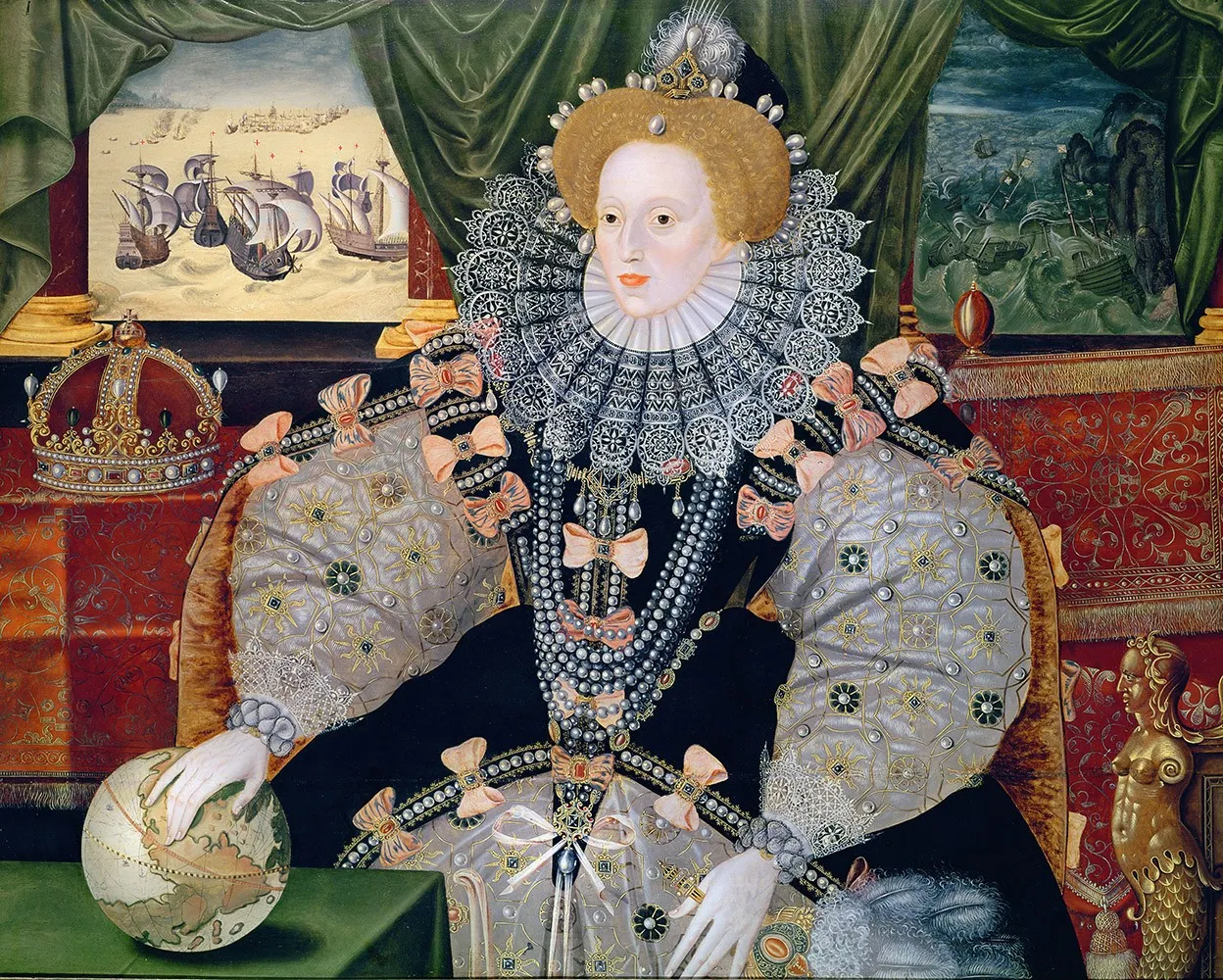
"Elizabeth I" by George Gower / Wikimedia Commons.
The English Renaissance was a period of remarkable cultural and artistic growth in England, lasting from the late 15th century to the early 17th century. This era began as new ideas from the Italian Renaissance reached England, leading to changes in art, science, and society. The English Renaissance is best known for its achievements in literature, theater, and music, which helped shape the country's identity and influence the world.
A major turning point in the English Renaissance was the reign of Queen Elizabeth I (1558–1603). As a powerful monarch, she supported the arts and encouraged writers, artists, and musicians. Under Elizabeth's rule, the English court became a center of culture. Elizabeth herself was highly educated and could speak several languages, which was unusual for women of her time. She became a patron to many artists, ensuring that creative people could focus on their work.
Theater flourished during the English Renaissance. Public playhouses like the Globe Theatre opened in London, drawing crowds from all parts of society. One of the most famous playwrights of this period was William Shakespeare. His plays, such as 'Romeo and Juliet' and 'Hamlet,' were performed for both commoners and nobles. Shakespeare's First Folio, published in 1623, preserved many of his works for future generations. Other playwrights, including Christopher Marlowe and Ben Jonson, also contributed to the vibrant theater scene. The popularity of drama led to new styles of performance and changes in stage design, such as the use of special effects and elaborate costumes.
Another major achievement of the English Renaissance was the growth of English literature and poetry. Writers like Edmund Spenser and Sir Philip Sidney wrote sonnets and epic poems that explored love, honor, and human nature. These works often reflected the values of the time, such as loyalty to the monarch and religious faith. The period also saw advances in music, with composers like William Byrd creating both sacred and secular music that was performed in royal courts and churches.
The English Renaissance had lasting effects on daily life and society. It encouraged education, scientific inquiry, and artistic expression. People from different social classes attended theaters and read printed books, showing greater access to culture. The spread of the printing press made literature and ideas more available than ever before. The English Renaissance marked a shift from medieval traditions to a more modern worldview, setting the stage for future developments in England and beyond.
The English Renaissance connects to larger themes in world history, such as the spread of new ideas and cultural exchange across Europe.
Interesting Fact: Queen Elizabeth I often attended plays in disguise to hear honest opinions from her subjects.
Comprehension quiz (8 questions)
1. Who was England's monarch during the Renaissance?
2. Which theater opened in 1599?
3. What was the First Folio?
4. How did Queen Elizabeth I support the arts?
5. What effect did the printing press have?
6. Why were theaters important in this period?
7. Shakespeare wrote plays during the Renaissance. True or False?
8. What is a sonnet?
Perfect for the way you teach
- Build comprehension skills
- Auto-graded quiz
- Differentiated reading
- Read together at home
- Improve fluency
- Quiet reading time
- Reading curriculum support
- Independent practice
- Track Lexile growth