French Renaissance
Interactive passage with audio narration, comprehension questions, and printable PDF.
By completing this purchase you agree to our Terms of Use and Privacy Policy. Your subscription renews automatically until you cancel. You can cancel anytime from your account settings. All sales are final and non-refundable. Digital content is available for download in your account immediately upon purchase.
What's included
French Renaissance preview and details
About this printable French Renaissance reading passage (Grades 5-8)
Sample passage and quiz from French Renaissance
Reading passage and comprehension quiz preview
French Renaissance Culture
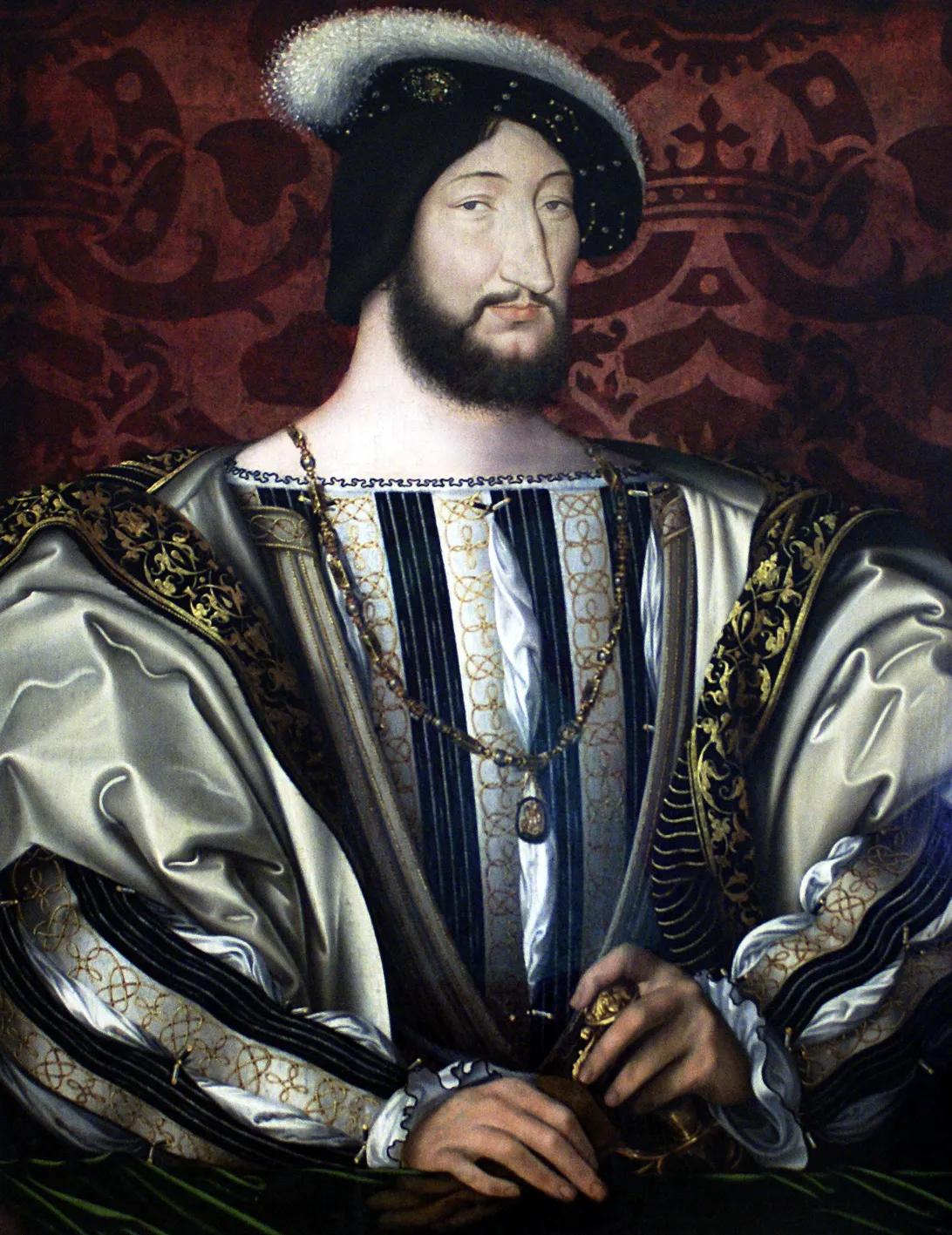
"King Francis I (The "Father of the French Renaissance")" by Jean Clouet / Wikimedia Commons.
The French Renaissance was a period of cultural rebirth in France that began in the late 1400s and lasted through the 1600s. This era marked a time when art, architecture, literature, and science in France were deeply influenced by the ideas and styles of the Italian Renaissance. French kings and nobles were eager to demonstrate their power and sophistication by supporting artists, architects, and scholars. Their efforts changed the look of castles, the language of poetry, and even daily life for people at court.
The powerful role of royal patronage helped drive the French Renaissance. King Francis I, who ruled from 1515 to 1547, is often called the father of the French Renaissance. He invited famous Italian artists such as Leonardo da Vinci to his court, giving them the resources to create new works. For example, Leonardo brought the Mona Lisa to France and spent his final years at Clos Lucé, near Francis’s grand castle at Amboise. Francis I’s court became a center for learning, where writers like Rabelais and poets like Pierre de Ronsard flourished. Through royal support, many talented French and Italian artists collaborated, blending their styles in remarkable ways.
One of the most visible achievements of the French Renaissance was in architecture, especially in the creation of grand châteaux. These impressive castles, such as the Château de Chambord and the Château de Chenonceau in the Loire Valley, combined French medieval forms with Italian Renaissance features. Wide staircases, decorative stonework, and large windows became common. The Château de Chambord, built beginning in 1519, includes a famous double-helix staircase, possibly inspired by Leonardo da Vinci. These buildings were not just homes for the nobility; they were symbols of royal ambition and cultural achievement. They also showed how French builders adapted Italian ideas to local tastes and the French landscape.
The influence of the Italian Renaissance extended beyond art and buildings. French thinkers studied ancient Greek and Roman texts and sought to apply humanist ideas to education and government. The French language itself was shaped by writers who experimented with new styles, vocabulary, and forms of expression. However, these changes mostly affected the elite—nobles and court officials—while most peasants continued living in traditional ways. Still, the spread of printing and new schools meant that Renaissance ideas slowly reached more people over time.
The French Renaissance played a key role in connecting France to the broader changes happening across Europe. By supporting artists, importing Italian styles, and building magnificent châteaux, French rulers made France a center of culture and learning. These changes set the stage for later advancements in art, science, and politics, shaping the future of both France and Europe.
Interesting Fact: King Francis I was so passionate about art and learning that he created the first royal library in France, which later became the famous Bibliothèque nationale de France.
Comprehension quiz (8 questions)
1. Who was called the father of the French Renaissance?
2. Which famous Italian artist lived in France?
3. Where is the Château de Chambord located?
4. Why did French kings support artists?
5. How did Italian styles reach France?
6. What was a long-term effect of the Renaissance?
7. The French Renaissance began in the late 1400s. True or false?
8. What does 'royal patronage' mean?
Perfect for the way you teach
- Build comprehension skills
- Auto-graded quiz
- Differentiated reading
- Read together at home
- Improve fluency
- Quiet reading time
- Reading curriculum support
- Independent practice
- Track Lexile growth