Northern Renaissance
Interactive passage with audio narration, comprehension questions, and printable PDF.
By completing this purchase you agree to our Terms of Use and Privacy Policy. Your subscription renews automatically until you cancel. You can cancel anytime from your account settings. All sales are final and non-refundable. Digital content is available for download in your account immediately upon purchase.
What's included
Northern Renaissance preview and details
About this printable Northern Renaissance reading passage (Grades 5-8)
Sample passage and quiz from Northern Renaissance
Reading passage and comprehension quiz preview
Northern Renaissance Art
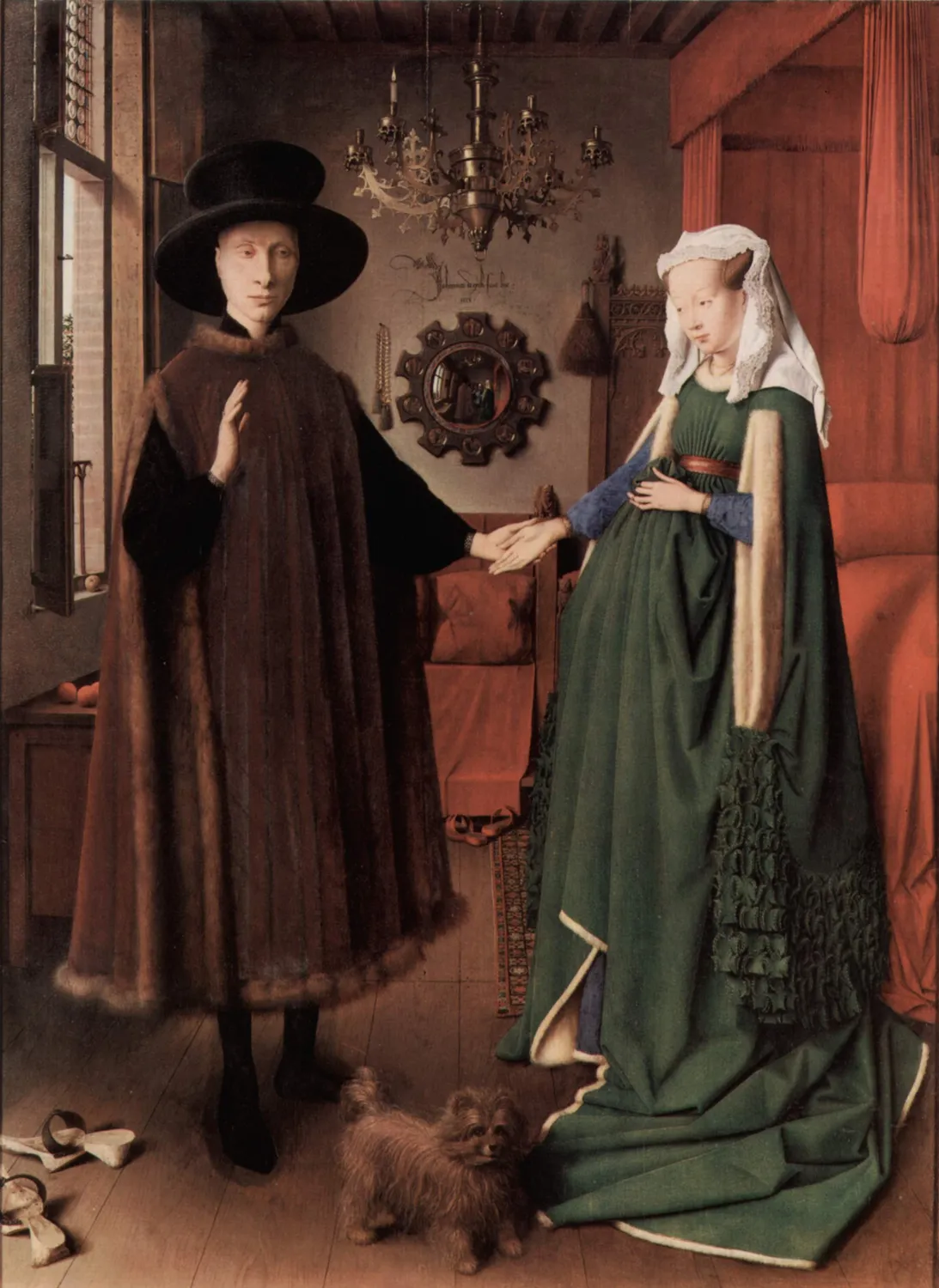
"Jan van Eyck" by Jan van Eyck / Wikimedia Commons.
Northern Renaissance art refers to the unique artistic achievements that developed in Northern Europe during the 15th and 16th centuries. While the Renaissance began in the city-states of Italy, its ideas and styles spread north, influencing artists in the Netherlands, Germany, and France. The Northern Renaissance produced distinct works of art that reflected local traditions, religious beliefs, and new techniques, especially the innovative use of oil paint.
One of the most significant features of Northern Renaissance art was the development of realism. Artists like Jan van Eyck in the Netherlands mastered oil painting, which allowed for vivid colors and intricate details. Van Eyck’s famous "Arnolfini Portrait" (1434) is a primary source that showcases his skill in capturing textures, light, and lifelike expressions. Unlike Italian artists who preferred fresco and tempera, Northern artists used oil paint on wood panels, giving them more time to blend colors and create realistic effects.
Northern artists were also deeply influenced by the social and religious changes of their time. In Germany, Albrecht Dürer became known for his detailed engravings and woodcuts, which often included complex symbolism and reflected the rise of the Protestant Reformation. In France, painters like Jean Fouquet blended Gothic traditions with Renaissance techniques to create highly detailed portraits and religious scenes. These artists often included everyday objects, landscapes, and scenes from daily life, reflecting the interests of the growing middle class and city dwellers.
Geography played an important role in shaping Northern Renaissance art. The Netherlands and Flanders were prosperous regions with thriving trading cities like Bruges and Antwerp, which supported artists through wealthy patrons and guilds. Artistic ideas traveled along trade routes and through the movement of scholars and craftsmen. Over time, the Northern Renaissance developed its own identity, emphasizing observation of nature, attention to small details, and the use of symbolism. For example, the detailed depiction of flowers, mirrors, and animals in paintings often carried hidden meanings about morality, wealth, or faith.
The Northern Renaissance changed the way people viewed art and the world around them. It combined new techniques with local traditions, encouraging artists to experiment and innovate. These changes influenced later European art and contributed to the development of modern artistic ideas.
This topic connects to broader themes about the spread of ideas and cultural exchange across regions in world history.
Interesting Fact: The use of oil paint in Northern Europe became so influential that Italian artists, including Leonardo da Vinci, soon adopted the technique for their own masterpieces.
Comprehension quiz (8 questions)
1. Where did the Renaissance begin?
2. Which artist painted the Arnolfini Portrait?
3. What painting technique was popular in Northern Europe?
4. Why was oil paint important?
5. How did geography help Northern art grow?
6. What is a guild?
7. Jan van Eyck worked in France. True or false?
8. What does symbolism mean in art?
Perfect for the way you teach
- Build comprehension skills
- Auto-graded quiz
- Differentiated reading
- Read together at home
- Improve fluency
- Quiet reading time
- Reading curriculum support
- Independent practice
- Track Lexile growth