Facts About Mars
Interactive passage with audio narration, comprehension questions, and printable PDF.
By completing this purchase you agree to our Terms of Use and Privacy Policy. Your subscription renews automatically until you cancel. You can cancel anytime from your account settings. All sales are final and non-refundable. Digital content is available for download in your account immediately upon purchase.
What's included
Facts About Mars preview and details
About this printable Facts About Mars science reading passage, NGSS-aligned (Grades 3-6)
Sample passage and quiz from Facts About Mars
Reading passage and comprehension quiz preview
Facts About Mars
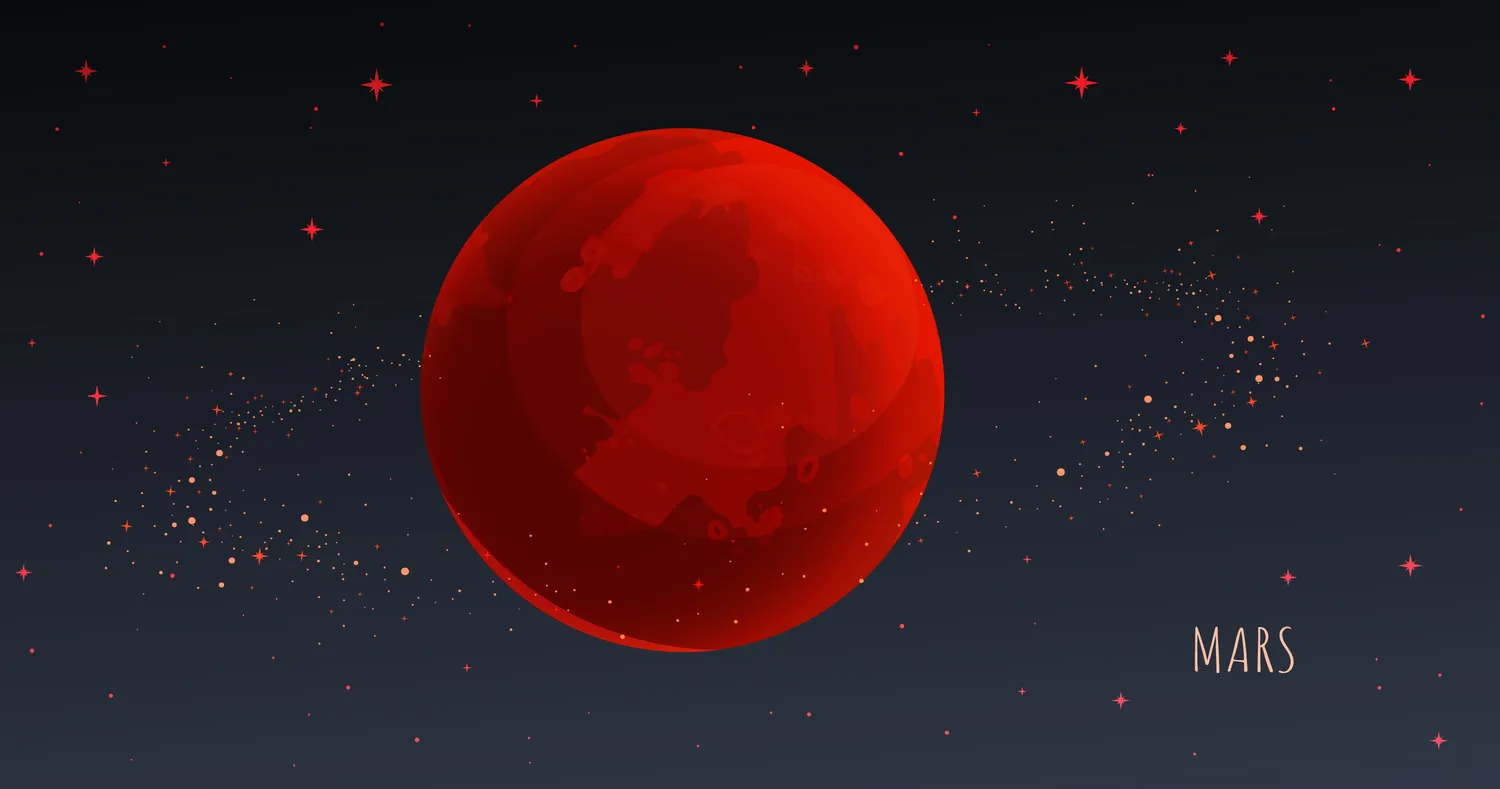
Mars is the fourth planet from the Sun in our solar system. It is often called the Red Planet because its surface looks red from Earth. The red color comes from iron minerals in its soil, which turn rusty when they mix with oxygen.
Mars is much smaller than Earth and has only about half its size. Its gravity is weaker, so if you weighed 100 pounds on Earth, you would weigh only 38 pounds on Mars! The planet has two small moons, named Phobos and Deimos.
The atmosphere on Mars is very thin and made mostly of carbon dioxide. This means there is very little air to breathe, and the temperature can get extremely cold. Sometimes, Mars has giant dust storms that can cover the whole planet for weeks.
There are many interesting features on Mars. It has the largest volcano in the solar system, called Olympus Mons, and a huge canyon named Valles Marineris. Scientists believe that long ago, Mars may have had liquid water on its surface. Today, you can still find frozen water at its polar ice caps.
Robots called rovers have been sent to Mars to study its land, rocks, and air. These missions help us learn more about the planet and search for signs of life.
Interesting Fact: Mars has seasons just like Earth, but each season lasts about twice as long because Mars takes longer to go around the Sun.
Comprehension quiz (8 questions)
1. What is Mars also called?
2. What covers Mars during big storms?
3. Mars has how many moons?
4. Why does Mars look red?
5. What is Olympus Mons?
6. What do rovers do on Mars?
7. Mars has a thick atmosphere. True or false?
8. What does 'gravity' mean?
Perfect for the way you teach
- Build comprehension skills
- Auto-graded quiz
- Differentiated reading
- Read together at home
- Improve fluency
- Quiet reading time
- Reading curriculum support
- Independent practice
- Track Lexile growth