How are Greenhouse Gases Similar to a Blanket
Interactive passage with audio narration, comprehension questions, and printable PDF.
By completing this purchase you agree to our Terms of Use and Privacy Policy. Your subscription renews automatically until you cancel. You can cancel anytime from your account settings. All sales are final and non-refundable. Digital content is available for download in your account immediately upon purchase.
What's included
How are Greenhouse Gases Similar to a Blanket preview and details
About this printable How are Greenhouse Gases Similar to a Blanket science reading passage, NGSS-aligned (Grades 3-5)
Sample passage and quiz from How are Greenhouse Gases Similar to a Blanket
Reading passage and comprehension quiz preview
How are Greenhouse Gases Similar to a Blanket?
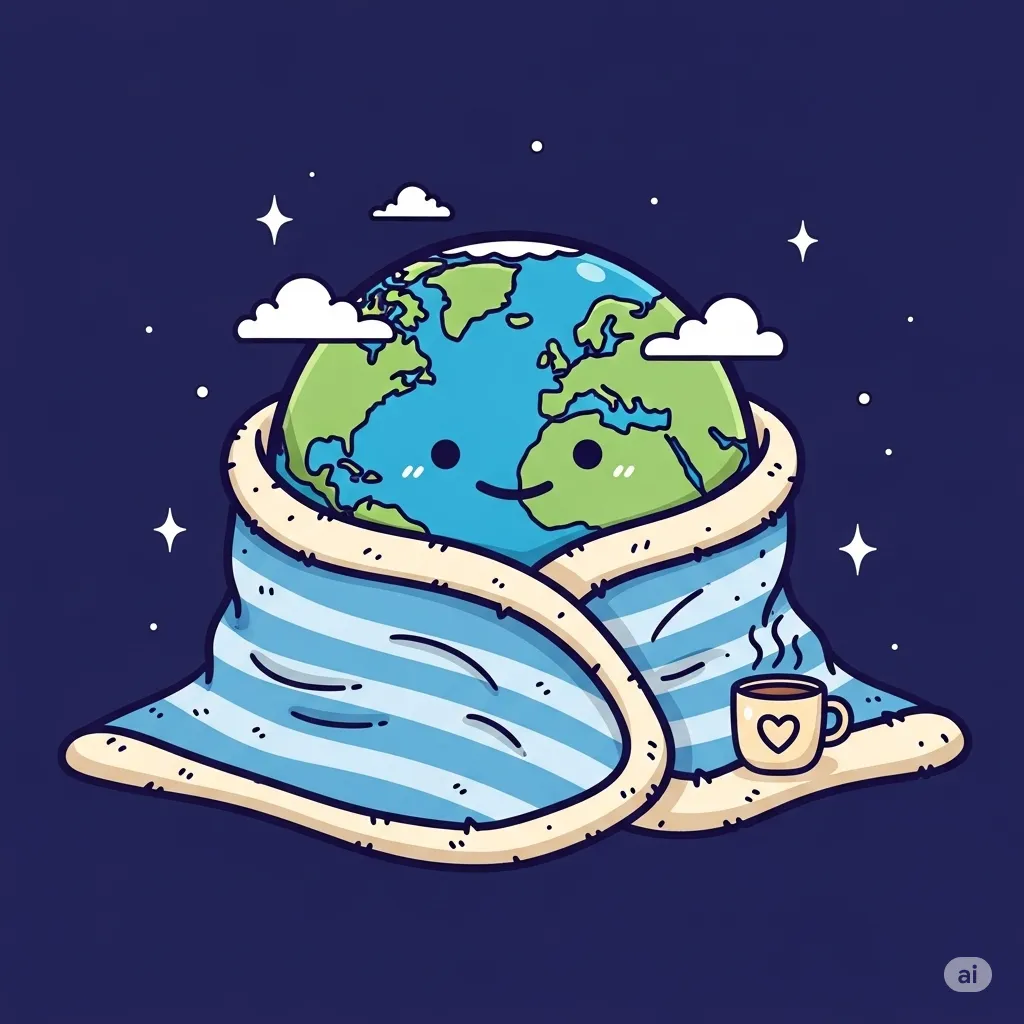
Greenhouse Gases and Blankets
On a cold night, a blanket keeps you warm by trapping your body heat under it. Without a blanket, your heat escapes into the air, and you feel cold. Earth has its own kind of blanket called the atmosphere. The atmosphere is a layer of air that surrounds the whole planet.
How the Greenhouse Effect Works
The atmosphere contains special gases called greenhouse gases. Important greenhouse gases include carbon dioxide and water vapor. These gases act like a blanket around Earth. When the sun shines on Earth, some of the heat goes back into space, but greenhouse gases trap some of the heat and keep it near the ground. This is called the greenhouse effect. It keeps our planet warm enough for people, plants, and animals to live.
Why We Need Just the Right Amount
Just like one blanket keeps you cozy, a normal amount of greenhouse gases keeps Earth comfortable. If there were no greenhouse gases, Earth would be freezing—like sleeping without a blanket in winter! But too many greenhouse gases are a problem, too.
What Happens with Too Many Greenhouse Gases?
When we burn fuels like coal, oil, or gas in cars and factories, we make extra greenhouse gases, especially carbon dioxide. Too many greenhouse gases trap too much heat, making Earth hotter. It’s like covering yourself with five blankets on a summer night—you get too warm and uncomfortable. As Earth warms, ice melts at the poles, weather changes, and some animals have trouble surviving.
What Can We Do?
People can help by using less energy, planting more trees, and using clean energy like wind and solar power. This helps keep the right amount of greenhouse gases—just like choosing the perfect blanket for a good night’s sleep.
Interesting Fact: Venus is covered in thick greenhouse gases, making it the hottest planet in our solar system—even hotter than Mercury, which is closer to the Sun!
Comprehension quiz (8 questions)
1. What do greenhouse gases do?
2. Which is a greenhouse gas?
3. Where do extra greenhouse gases come from?
4. What happens if Earth gets too warm?
5. How can people help the Earth?
6. Why is Earth's greenhouse effect like a blanket?
7. Greenhouse gases make Earth colder. True or false?
8. What is the meaning of 'atmosphere'?
Perfect for the way you teach
- Build comprehension skills
- Auto-graded quiz
- Differentiated reading
- Read together at home
- Improve fluency
- Quiet reading time
- Reading curriculum support
- Independent practice
- Track Lexile growth