How Do Sea Cliffs Form
Interactive passage with audio narration, comprehension questions, and printable PDF.
By completing this purchase you agree to our Terms of Use and Privacy Policy. Your subscription renews automatically until you cancel. You can cancel anytime from your account settings. All sales are final and non-refundable. Digital content is available for download in your account immediately upon purchase.
What's included
How Do Sea Cliffs Form preview and details
About this printable How Do Sea Cliffs Form science reading passage, NGSS-aligned (Grades 5-8)
Sample passage and quiz from How Do Sea Cliffs Form
Reading passage and comprehension quiz preview
How Do Sea Cliffs Form
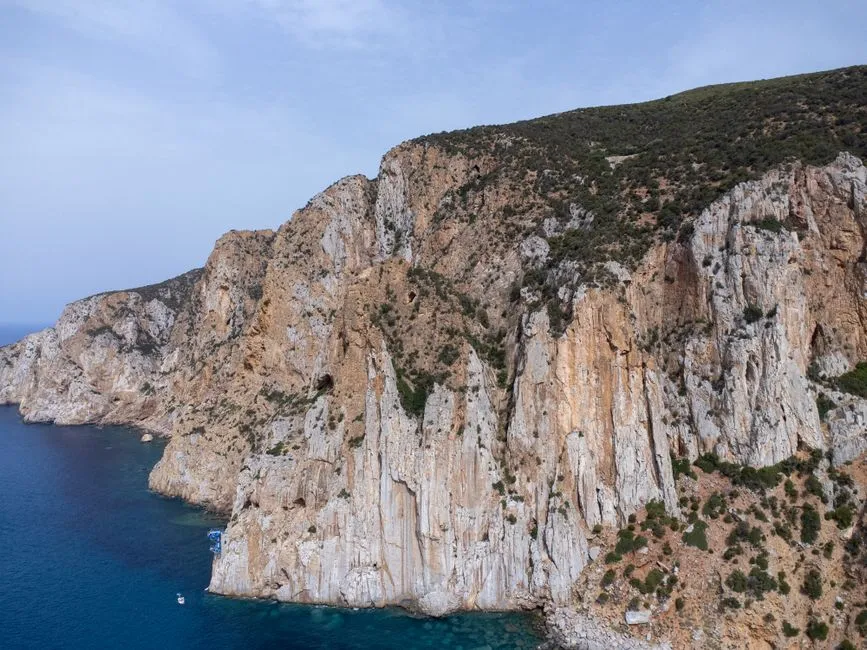
Sea cliffs form when ocean waves continuously crash against coastal rock over long periods of time. Rugged coastal cliffs along the Mediterranean Sea in Sardinia, Italy by Anastasia Haritonov / Pexels.
Sea cliffs form when ocean waves continuously crash against coastal rock over long periods of time. The process begins with wave action, which carries tremendous energy from storms and tides. When waves hit the base of coastal rock, they create a powerful force that breaks apart the stone.
Scientists explain that erosion occurs through several mechanisms working together. Waves slam against the cliff base and compress air in rock cracks. This pressure can split rock apart like a wedge. Waves also carry sand and pebbles that act like sandpaper, grinding away at the cliff face. Salt water chemically weathers certain types of rock, weakening their structure over time. Evidence shows that softer rocks erode much faster than harder rocks like granite.
As waves continue their attack, they carve a notch or small cave at the cliff base. This process is called undercutting. The rock above the notch loses support and becomes unstable. Eventually, gravity pulls the unsupported rock down in a process called mass wasting. Large chunks of cliff collapse onto the beach below. The fallen rock breaks into smaller pieces, and waves carry away the debris. This creates new beach sand and sediment that waves transport along the coast.
The White Cliffs of Dover in England demonstrate this process clearly. These famous chalk cliffs lose about one centimeter of rock each year to wave erosion. Scientists observe that storm waves can cause sudden, dramatic collapses. Between storms, slower weathering continues to weaken the cliff face. The cycle repeats endlessly, and the coastline gradually moves inland.
Understanding sea cliff formation matters because millions of people live near coastlines. Coastal erosion can threaten homes, roads, and buildings built too close to cliff edges. Scientists study erosion rates to predict where cliffs may collapse. This knowledge helps communities plan safer development. Sea cliff erosion also connects to the larger story of how Earth's surface constantly changes. The sediment from eroded cliffs becomes beach sand, which protects other shorelines from wave damage. One part of the coast erodes while another part builds up, showing how Earth's systems interact and transfer materials across the planet.
Interesting Fact: Some sea cliffs erode so quickly that trees and buildings can fall into the ocean within a single human lifetime. The Holderness Coast in England loses about two meters of cliff each year.
Comprehension quiz (10 questions)
1. What is the main cause of sea cliff formation?
2. How do waves carry sand and pebbles contribute to cliff erosion?
3. What does the term 'undercutting' mean in the context of sea cliff formation?
4. According to the passage, what happens after undercutting creates an unstable cliff?
5. Based on the passage, which type of rock would erode faster from wave action?
6. Why is understanding sea cliff formation important for coastal communities?
7. How does eroded cliff material contribute to the coastal ecosystem?
8. What real-world example does the passage use to demonstrate cliff erosion rates?
9. Storm waves can cause sea cliffs to collapse suddenly and dramatically.
10. Sea cliff erosion is a process that happens very quickly, usually within a few days.
Perfect for the way you teach
- Build comprehension skills
- Auto-graded quiz
- Differentiated reading
- Read together at home
- Improve fluency
- Quiet reading time
- Reading curriculum support
- Independent practice
- Track Lexile growth