How Does Wind Weather Rocks
Interactive passage with audio narration, comprehension questions, and printable PDF.
By completing this purchase you agree to our Terms of Use and Privacy Policy. Your subscription renews automatically until you cancel. You can cancel anytime from your account settings. All sales are final and non-refundable. Digital content is available for download in your account immediately upon purchase.
What's included
How Does Wind Weather Rocks preview and details
About this printable How Does Wind Weather Rocks science reading passage, NGSS-aligned (Grades 3-6)
Sample passage and quiz from How Does Wind Weather Rocks
Reading passage and comprehension quiz preview
How Does Wind Weather Rocks
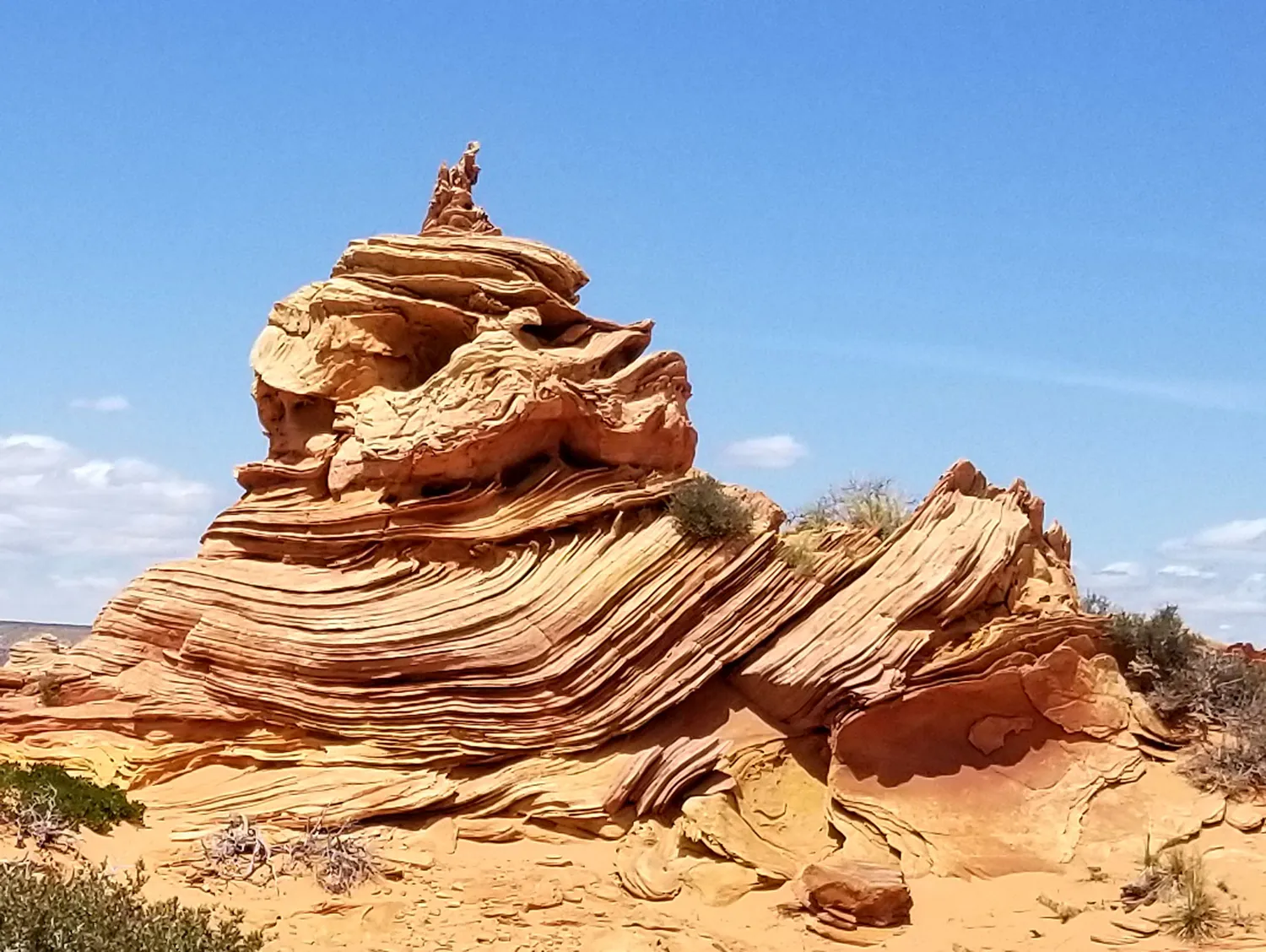
Wikimedia Commons
Wind is a powerful force that can change the land over time. When wind blows across the earth, it can slowly break down rocks and move soil from one place to another. This process is called weathering and it happens all around us, even if we do not always notice it.
Weathering is when rocks are broken into smaller pieces by natural forces, like wind, water, or ice. Wind weathering happens when strong winds pick up tiny bits of sand or dirt and blow them against rocks. Over time, these tiny particles act like sandpaper, slowly scraping and wearing down the surface of rocks. The pieces that break off are called sediment.
Once rocks are broken into sediment, wind can carry these small pieces far away. This movement of sediment is called erosion. Wind erosion is common in dry and open areas, such as deserts and beaches, where there are few plants to hold the soil in place. When the wind drops the sediment in a new spot, it can build new landforms like sand dunes or even small hills.
The effects of wind weathering and erosion can be seen in many places. For example, sand dunes in the desert are formed when wind piles up sand in large mounds. In farming areas, strong winds can blow away topsoil, which plants need to grow. This is why farmers sometimes plant trees or grasses to help stop wind from eroding the soil.
Wind weathering and erosion are important parts of the rock cycle and help shape the Earth's surface. Over long periods, these processes can change mountains into hills and create new landscapes.
Interesting Fact: In some deserts, wind has carved rocks into strange shapes called "hoodoos" and "arches" that can take thousands of years to form!
Comprehension quiz (8 questions)
1. What is weathering?
2. What does wind move during erosion?
3. Where is wind erosion most common?
4. How do sand dunes form?
5. Why do farmers plant trees?
6. What can wind weathering create?
7. Wind can break down rocks. True or false?
8. What is sediment?
Perfect for the way you teach
- Build comprehension skills
- Auto-graded quiz
- Differentiated reading
- Read together at home
- Improve fluency
- Quiet reading time
- Reading curriculum support
- Independent practice
- Track Lexile growth