Is the Sun a Planet
Interactive passage with audio narration, comprehension questions, and printable PDF.
By completing this purchase you agree to our Terms of Use and Privacy Policy. Your subscription renews automatically until you cancel. You can cancel anytime from your account settings. All sales are final and non-refundable. Digital content is available for download in your account immediately upon purchase.
What's included
Is the Sun a Planet preview and details
About this printable Is the Sun a Planet science reading passage, NGSS-aligned (Grades 5-8)
Sample passage and quiz from Is the Sun a Planet
Reading passage and comprehension quiz preview
Is the Sun a Planet
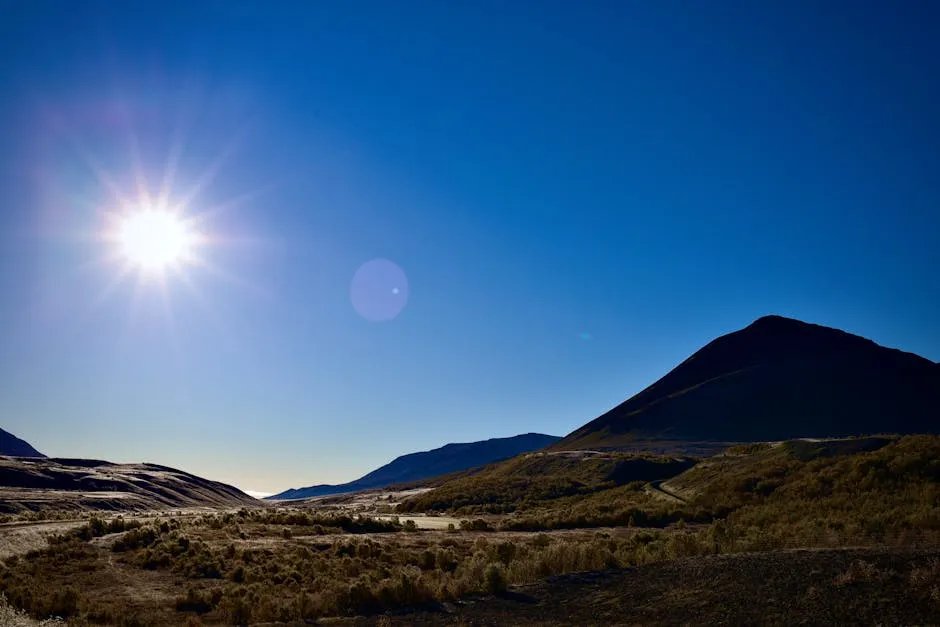
The Sun is a star.Stars like the Sun generate their own light and heat through a process called nuclear fusion. Image by Erica On The Go / Pexels.
The Sun is not a planet. It is a star, which means it belongs to a completely different category of objects in space. Understanding why the Sun is classified as a star helps scientists organize and study the universe. The key difference between stars and planets lies in how they produce light.
Stars like the Sun generate their own light and heat through a process called nuclear fusion. Deep inside the Sun's core, temperatures reach about 15 million degrees Celsius. At these extreme temperatures, hydrogen atoms slam together with tremendous force. When they collide, they combine to form helium atoms. This process releases enormous amounts of energy in the form of light and heat. Scientists explain that nuclear fusion is what makes stars shine brightly. The Sun has been producing energy this way for about 4.6 billion years.
Planets work very differently from stars. Planets do not produce their own light through nuclear fusion. Instead, they reflect light from nearby stars. Earth, for example, reflects sunlight, which is why we can see it from space. Planets are much smaller and cooler than stars. They orbit around stars because of gravity, the force that pulls objects toward each other. Evidence shows that planets form from leftover material after a star is born.
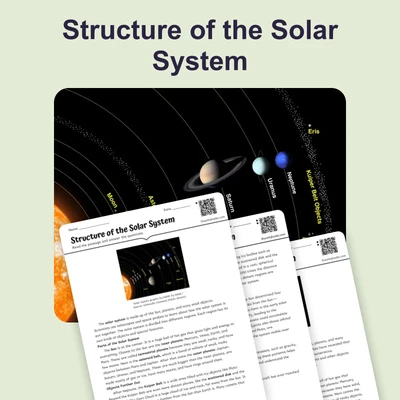
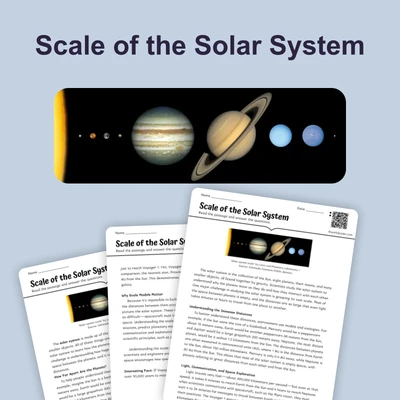
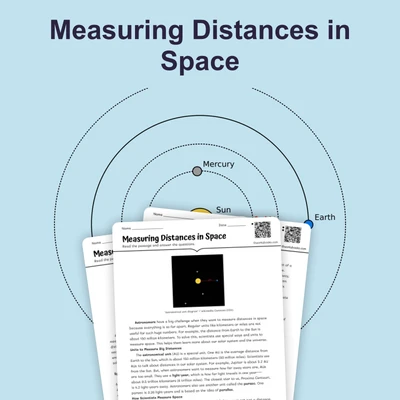
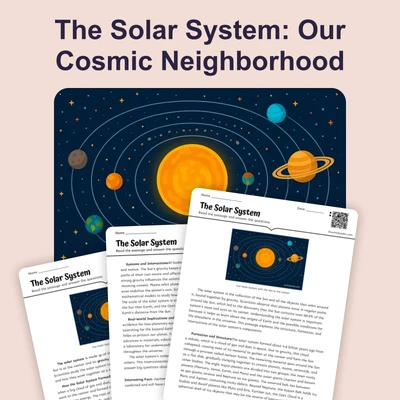
The solar system contains one star, the Sun, and eight planets that orbit it. Jupiter is the largest planet in our solar system. Even though Jupiter is huge, it is still much smaller than the Sun. The Sun contains about 99.8 percent of all the mass in the solar system. Scientists observe that this massive size allows the Sun to maintain the high temperatures needed for nuclear fusion. Jupiter and other planets lack the mass and temperature to start this process.
Understanding the difference between stars and planets matters for astronomy and space exploration. When scientists search for life on other worlds, they look for planets orbiting distant stars. They study the light from these stars to learn about the planets around them. Knowing that stars produce light while planets reflect it helps scientists identify new exoplanets, or planets outside our solar system. This classification system allows researchers to communicate clearly about their discoveries.
Interesting Fact: If the Sun were the size of a basketball, Earth would be about the size of a small peppercorn located 26 meters away. This comparison shows just how much larger stars are compared to planets.
Comprehension quiz (10 questions)
1. What is the Sun classified as?
2. How do stars produce light?
3. According to the passage, what is nuclear fusion?
4. What is the main way planets produce light that we can see?
5. What does the term 'exoplanet' mean in the passage?
6. Why can Jupiter not start nuclear fusion like the Sun?
7. What percentage of the solar system's mass does the Sun contain?
8. Based on the passage, why is understanding the difference between stars and planets important for scientists?
9. True or False: Planets orbit around stars because of gravity.
10. True or False: The Sun produces energy by reflecting light from other stars.
Perfect for the way you teach
- Build comprehension skills
- Auto-graded quiz
- Differentiated reading
- Read together at home
- Improve fluency
- Quiet reading time
- Reading curriculum support
- Independent practice
- Track Lexile growth