Noise Pollution
Interactive passage with audio narration, comprehension questions, and printable PDF.
By completing this purchase you agree to our Terms of Use and Privacy Policy. Your subscription renews automatically until you cancel. You can cancel anytime from your account settings. All sales are final and non-refundable. Digital content is available for download in your account immediately upon purchase.
What's included
Noise Pollution preview and details
About this printable Noise Pollution science reading passage, NGSS-aligned (Grades 5-8)
Sample passage and quiz from Noise Pollution
Reading passage and comprehension quiz preview
Noise Pollution
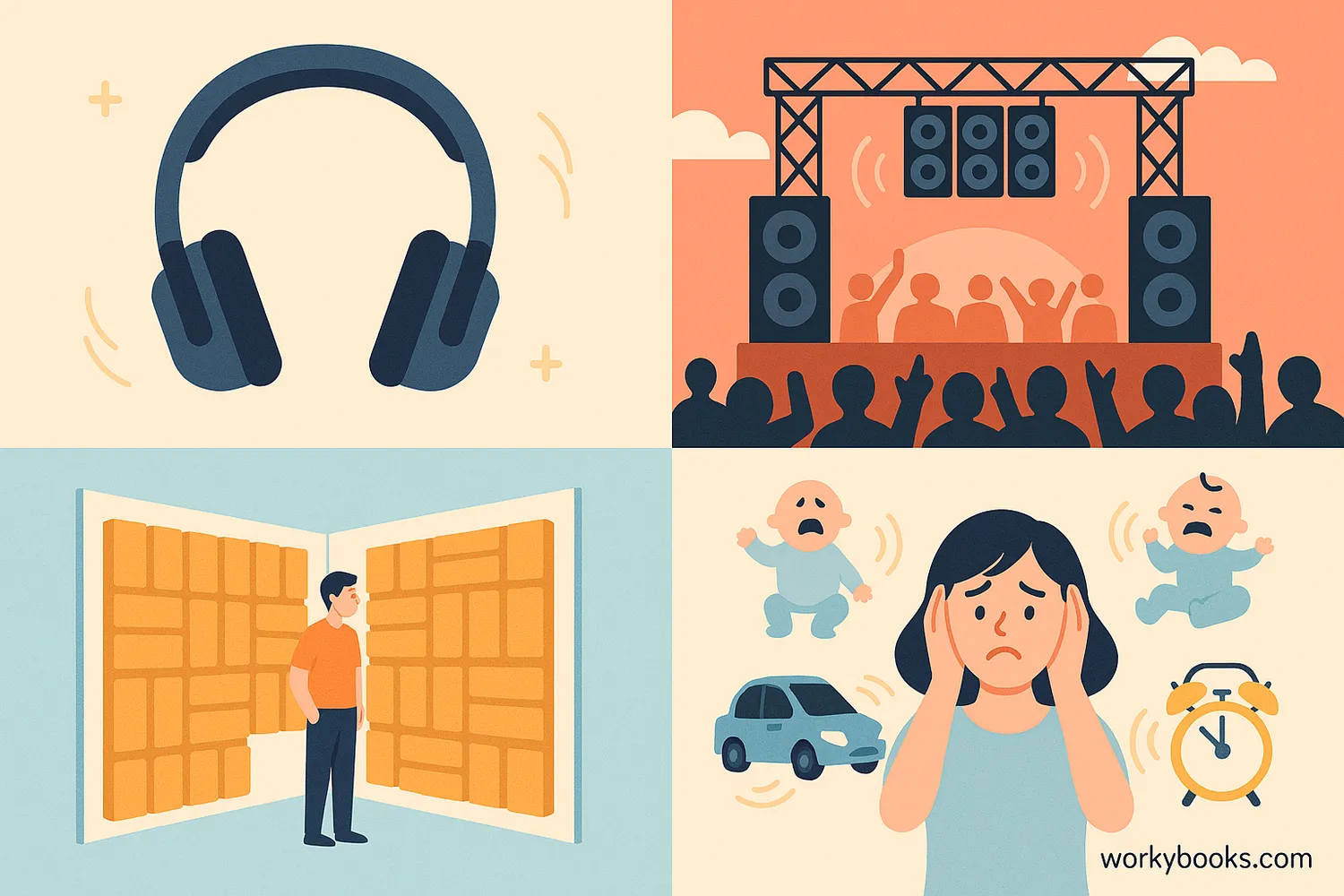
Noise pollution is a growing environmental problem that affects millions of people worldwide. In cities, busy streets and construction sites can produce sounds so loud that they become not just annoying, but also harmful. Scientists define noise pollution as unwanted or harmful sound in the environment that interferes with normal activities, such as sleeping, studying, or even hearing conversations. Understanding where noise pollution comes from and how it impacts health and the environment is essential for creating safer, healthier communities.
Sources and Measurement of Noise Pollution
Most noise pollution is caused by human activities. Major sources include traffic (cars, trucks, trains), construction equipment, airports, factories, and even loud music. These sources generate sound waves that travel through the air. Scientists measure sound using units called decibels (dB). Normal conversation is about 60 dB, while a busy street averages around 85 dB. Prolonged exposure to sounds above 85 dB can cause hearing loss. To protect people, many cities set decibel limits and use regulations to control noise. For example, airports may restrict flights during nighttime hours, and construction projects may be limited to certain times of day.
Health and Environmental Effects
Noise pollution affects more than just our ears. High levels of noise can lead to stress, sleep disruption, and even cardiovascular problems, such as high blood pressure or heart disease. Studies show that people living near highways or airports report higher rates of headaches, anxiety, and difficulty concentrating. Noise also affects wildlife: loud environments can interfere with animal communication, navigation, and mating behaviors. Some birds may abandon noisy areas, while marine animals struggle with underwater noise from ships and drilling.
Solutions and Future Directions
Communities use several strategies to reduce noise pollution. Barriers like walls or trees can block sound from highways. Zoning laws keep noisy factories away from homes and schools. Individuals can protect their hearing by using earplugs or noise-canceling headphones. Engineers design quieter machines and vehicles to help limit noise at its source. As technology advances, scientists are finding new ways to monitor and control noise pollution, making cities cleaner and healthier for everyone. Addressing noise pollution is a key part of protecting both human health and the balance of natural ecosystems.
Interesting Fact: The loudest sound ever recorded on Earth was the 1883 eruption of Krakatoa, which reached an estimated 180 decibels and was heard over 3,000 miles away!
Comprehension quiz (10 questions)
1. What is noise pollution?
2. Which of the following is a common source of noise pollution?
3. What unit is used to measure sound intensity?
4. Why do cities set decibel limits?
5. What can happen if a person is exposed to noise above 85 dB for a long time?
6. What is one health effect of noise pollution mentioned in the passage?
7. Why might birds abandon noisy areas?
8. Which is NOT a solution to noise pollution?
9. True or False: Loud noise can only affect our ears, not the rest of our body.
10. True or False: Zoning laws help keep noisy factories away from homes and schools.
Perfect for the way you teach
- Build comprehension skills
- Auto-graded quiz
- Differentiated reading
- Read together at home
- Improve fluency
- Quiet reading time
- Reading curriculum support
- Independent practice
- Track Lexile growth