Wave Transmission
Interactive passage with audio narration, comprehension questions, and printable PDF.
By completing this purchase you agree to our Terms of Use and Privacy Policy. Your subscription renews automatically until you cancel. You can cancel anytime from your account settings. All sales are final and non-refundable. Digital content is available for download in your account immediately upon purchase.
What's included
Wave Transmission preview and details
About this printable Wave Transmission science reading passage, NGSS-aligned (Grades 5-8)
Sample passage and quiz from Wave Transmission
Reading passage and comprehension quiz preview
Wave Behavior: Transmission
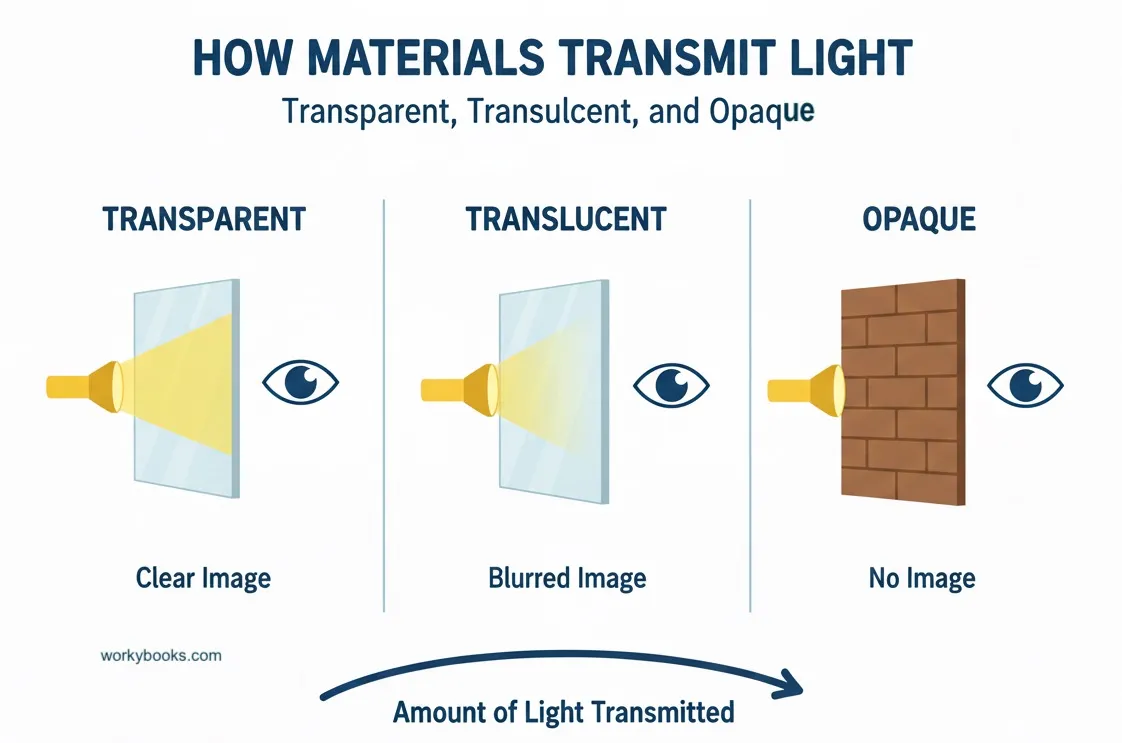
Transmission is a fundamental concept in the study of waves. When light travels from one place to another, it often encounters different materials. Some materials allow light to pass through them easily, while others block or scatter the light. Understanding how and why this happens helps scientists design better windows, eyeglasses, and even medical imaging devices. The way waves interact with materials is critical for technology, safety, and our everyday experiences.
There are three main types of materials based on how they transmit light: transparent, translucent, and opaque. Transparent materials, such as clear glass or clean water, transmit most of the light that hits them—often over 90%. This means you can see clearly through them. Translucent materials, like frosted glass or thin paper, allow some light to pass through, but not enough for clear images. Opaque materials, such as wood or stone, do not transmit light at all; instead, they either absorb or reflect it, making it impossible to see through them. The amount of light transmitted depends on the material’s structure at the molecular level.
How Transmission Works
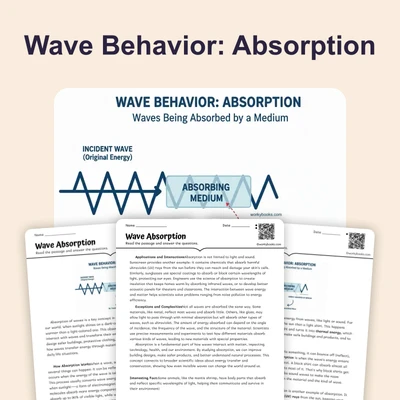
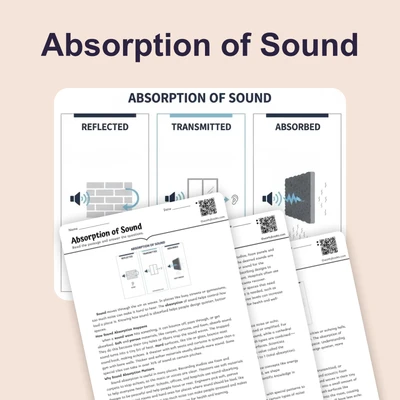
At a deeper level, the process of transmission depends on the arrangement of atoms and molecules in a material. In transparent materials, the atoms are arranged in such a way that light waves can travel through them without much disruption. The energy from the light wave passes from atom to atom, moving forward with little absorption or scattering. In translucent materials, the structure causes the light waves to scatter in many directions. Some light still makes it through, but it is spread out, which blurs any image. In opaque materials, electrons in the atoms absorb the energy from the light wave and convert it into heat, or the light is reflected back, preventing transmission entirely.
Applications and Exceptions
This understanding of transmission has practical uses. For example, architects choose transparent glass for windows to let in natural light, while using opaque materials for privacy. Sunglasses often use lenses that transmit only certain wavelengths of light, blocking harmful ultraviolet rays while letting visible light pass through. Some materials behave differently depending on the wavelength of the light; for instance, ordinary glass is transparent to visible light but blocks most ultraviolet light. This is why you do not get sunburned through a glass window.
Materials can even be engineered to selectively transmit or block different parts of the light spectrum. Scientists use this knowledge to create filters for cameras, protective coatings for electronics, and one-way mirrors. Understanding transmission also helps in environmental science, such as studying how sunlight penetrates water to support aquatic plant life.
Transmission and Scientific Principles
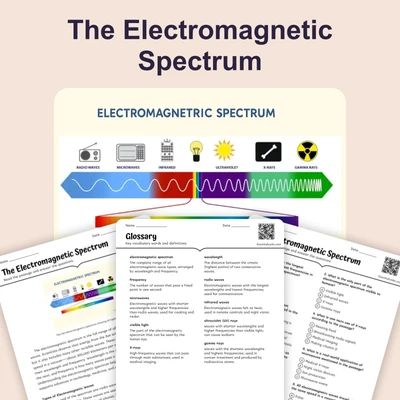
The study of transmission ties into larger scientific concepts like energy transfer and the electromagnetic spectrum. Scientists use experiments, such as measuring the intensity of light before and after passing through a material, to determine how much is transmitted. This data-driven approach helps them classify materials and understand their properties. As technology advances, our ability to control transmission will continue to grow, leading to new materials and innovations.
Interesting Fact:
Some animals, like deep-sea fish, have eyes adapted to see only the wavelengths of light that are transmitted through water at great depths!
Comprehension quiz (10 questions)
1. What is the main topic of the passage?
2. Which material is described as transparent in the passage?
3. What happens to light when it hits an opaque material?
4. In context, what does the word 'scatter' mean in the passage?
5. What is the 'electromagnetic spectrum' according to the glossary?
6. Why do sunglasses block some wavelengths but allow others?
7. How does the molecular structure of a material affect transmission?
8. If a material is translucent, what can you expect?
9. True or False: Opaque materials transmit most of the light that hits them.
10. True or False: Glass is transparent to visible light but blocks most ultraviolet light.
Perfect for the way you teach
- Build comprehension skills
- Auto-graded quiz
- Differentiated reading
- Read together at home
- Improve fluency
- Quiet reading time
- Reading curriculum support
- Independent practice
- Track Lexile growth