This learning resource is available in interactive and printable formats. The interactive worksheet can be played online and assigned to students. The Printable PDF version can be downloaded and printed for completion by hand.
This engaging science passage for grades 6-8 introduces students to the greenhouse effect, a key concept in understanding Earth's climate system. Written according to NGSS standards, this resource explains how greenhouse gases trap heat in the atmosphere, defines important vocabulary terms, and uses real-world examples to connect the phenomenon to daily life. Students will learn how human activities, such as burning fossil fuels, contribute to the enhanced greenhouse effect and how this can cause global warming. The passage includes a glossary of key terms, a Spanish translation, a multiple-choice quiz, and a writing activity that encourages critical thinking about cause and effect, scientific processes, and practical applications. Audio integration is included for accessibility. This is an excellent resource for teaching about climate change, atmospheric science, and environmental responsibility.
CONTENT PREVIEW
Expand content preview
The greenhouse effect is a natural process that keeps Earth warm enough to support life. It happens because certain gases in Earth's atmosphere trap heat from the Sun. Without the greenhouse effect, our planet would be much colder, and many living things could not survive.
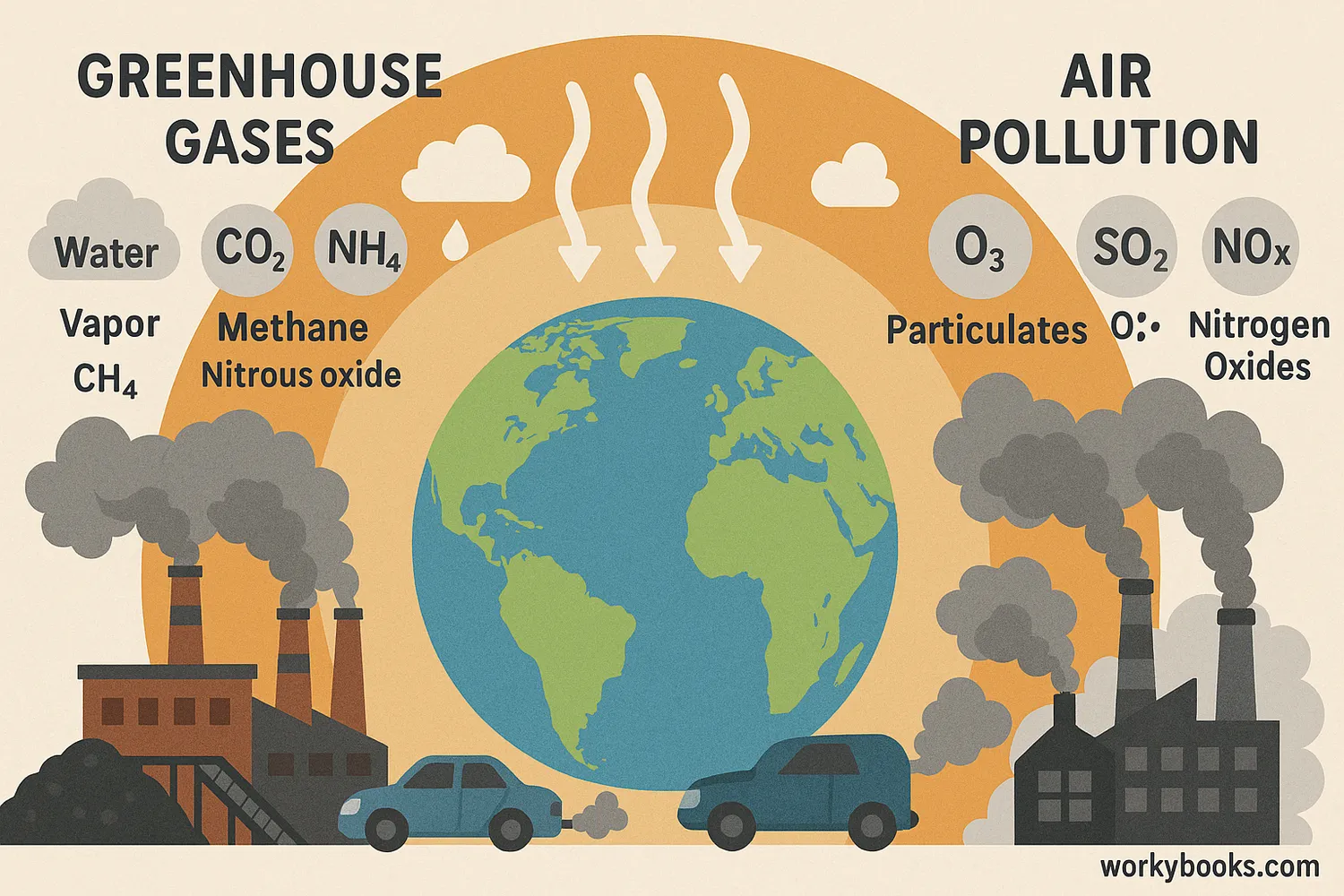
When energy from the Sun reaches Earth, some of it is absorbed by the land and oceans, warming our planet. The rest of the energy is reflected back into space. However, not all the heat escapes. Gases in the atmosphere, called greenhouse gases, absorb and trap some of this heat. These gases include carbon dioxide, methane, and water vapor.
Greenhouse gases act like the glass walls of a real greenhouse. They let sunlight in but prevent some heat from leaving. This keeps Earth's temperature stable. The most important greenhouse gas is carbon dioxide, which is released when people burn fossil fuels like coal, oil, and gas. Other greenhouse gases, such as methane, are produced by animals, landfills, and rice fields.
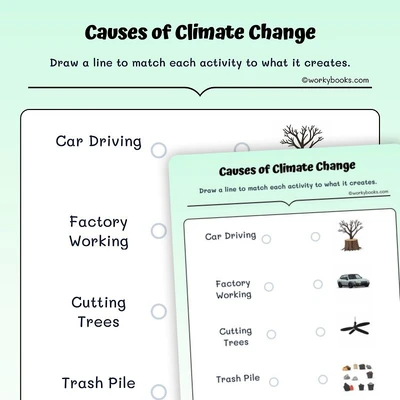
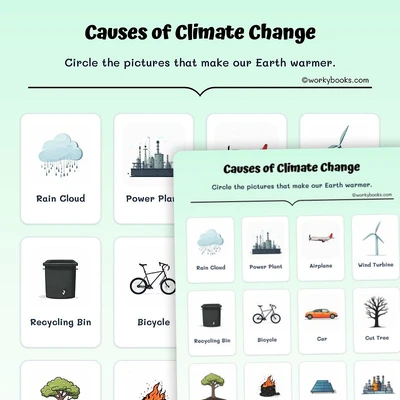
Human activities have increased the amount of greenhouse gases in the atmosphere. When we drive cars, use electricity from coal power plants, or cut down forests, we add more carbon dioxide to the air. This is called the enhanced greenhouse effect. Too many greenhouse gases can trap too much heat, causing Earth's average temperature to rise. This warming is known as global warming.
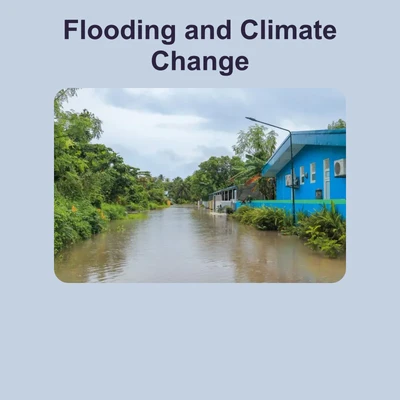
Global warming can cause many changes on Earth. It can melt glaciers, raise sea levels, and lead to more extreme weather, like storms, floods, and droughts. To help reduce the greenhouse effect, people can use renewable energy sources like solar and wind power, plant more trees, and save energy at home and school.
Interesting Fact: Venus, the second planet from the Sun, has a very strong greenhouse effect. Its thick atmosphere traps so much heat that its surface is hotter than any other planet in our solar system.
What does the greenhouse effect do?
Keeps Earth warm enough for lifeMakes the Sun hotterRemoves all heat from EarthCreates more oxygen in air
Which is a greenhouse gas?
Carbon dioxideOxygenNitrogenHelium
What causes the enhanced greenhouse effect?
More greenhouse gases from humansLess sunlightCooler oceansFewer plants on Earth
How can people help reduce greenhouse gases?
Use renewable energyBurn more coalCut down treesDrive more cars
What happens if greenhouse gases increase?
Earth gets warmerEarth gets colderNo change to climateMore oxygen in air
Why is carbon dioxide important?
It traps heat in atmosphereIt cools the planetIt makes rainIt reflects sunlight
The greenhouse effect keeps Earth warm. True or false?
TrueFalse
What is a fossil fuel?
CoalWaterWindSunlight
Perfect For:
👩🏫 Teachers
• Reading comprehension practice
• Auto-graded assessments
• Literacy skill development
👨👩👧👦 Parents
• Reading practice at home
• Comprehension improvement
• Educational reading time
🏠 Homeschoolers
• Reading curriculum support
• Independent reading practice
• Progress monitoring
Reading Features:
📖
Reading Passage
Engaging fiction or nonfiction text
❓
Comprehension Quiz
Auto-graded questions
📊
Instant Feedback
Immediate results and scoring
📄
Printable Version
Download for offline reading
🔊
Read Aloud
Voice-over with word highlighting
Reviews & Ratings
No reviews yet. Be the first to share your experience!
Related Content
What Is Earth Science?
This engaging middle school science passage introduces students to the field of Earth science, aligning with NGSS standa...
MS-ESS1MS-ESS2MS-ESS3SEP
Transportation and Climate Change
This engaging science passage for grades 6-8 explores the vital role that transportation plays in climate change. Studen...
Tools and Technology in Earth Science
This middle school science reading passage explores the wide range of tools and technologies used in Earth science, from...
MS-ESS2-2MS-ESS3-2MS-ETS1-1MS-PS4-3
Climate Change: Solutions and Mitigation
This passage explores scientific solutions and mitigation strategies for climate change, designed for middle school scie...
MS-ESS3-4MS-ESS3-5
Extreme Weather and Climate Change
This Grade 6-8 science passage, aligned to NGSS standards, explores the impact of climate change on extreme weather even...
Climate Change: Causes
This comprehensive middle school science passage explores the causes of climate change by examining both natural and hum...
MS-ESS3-5MS-LS2-4
Effects of Climate Change
This comprehensive middle school science passage explores the effects of climate change on Earth's systems and life, ali...
MS-ESS3-5MS-LS4-4
Climate Through Earth's History
This engaging passage for grades 6-8 explores how Earth's climate has naturally changed over millions of years, highligh...
MS-ESS1-4MS-ESS2-6
Climate Change Bird Migration
This educational passage, audio integrated, explores how climate change affects bird migration patterns. Students will l...
MS-LS2-4: CONSTRUCT AN ARGUMENT SUPPORTED BY EMPIRICAL EVIDENCE THAT CHANGES TO PHYSICAL OR BIOLOGICAL COMPONENTS OF AN ECOSYSTEM AFFECT POPULATIONS.
How Deforestation Contributes to Climate Change
This engaging science passage, aligned with NGSS standards, explains how deforestation contributes to climate change for...
Climate Change: Vulnerable Ecosystems
This middle school science passage, aligned with NGSS standards MS-ESS3-5 and MS-LS2-4, helps students understand how cl...
MS-ESS3-5MS-LS2-4
Scientific Inquiry in Earth Science
This passage explores scientific inquiry in Earth science for grades 6-8, aligned with NGSS standards MS-ESS1-4, MS-ESS2...
MS-ESS1-4MS-ESS2-1MS-ESS3-5SEP
Permafrost and Climate Change
This engaging, NGSS-aligned science passage for grades 6-8 explores how melting permafrost releases greenhouse gases, im...
Impact of Climate Change on Water Resources
This engaging science passage for grades 6-8 explores the impact of climate change on water resources, aligning with NGS...
Heatwaves and Climate Change
This educational resource features an engaging, audio-integrated reading passage titled 'Heatwaves and Climate Change,' ...
Addressing Climate Change
This middle school science passage, aligned with NGSS standards MS-ESS3-4 and MS-ESS3-5, explores the mechanisms and sol...
MS-ESS3-4MS-ESS3-5
How Climate Change Affects Food Security
This grade 6-8 science passage, aligned with the NGSS standards, explores how climate change affects food security aroun...
What Is The Difference Between Global Warming And Climate Change?
This educational content, audio integrated, explores the crucial differences between global warming and climate change. ...
Climate Change: Species Responses
This middle school science passage explores how species respond to climate change, aligning with NGSS standards MS-LS4-4...
MS-LS4-4MS-LS4-6
Climate Refugees
This engaging science passage for grades 6-8 introduces students to the topic of climate refugees and human migration. A...