Why Are Resources Unevenly Distributed
Interactive passage with audio narration, comprehension questions, and printable PDF.
By completing this purchase you agree to our Terms of Use and Privacy Policy. Your subscription renews automatically until you cancel. You can cancel anytime from your account settings. All sales are final and non-refundable. Digital content is available for download in your account immediately upon purchase.
What's included
Why Are Resources Unevenly Distributed preview and details
About this printable Why Are Resources Unevenly Distributed science reading passage, NGSS-aligned (Grades 6-8)
Sample passage and quiz from Why Are Resources Unevenly Distributed
Reading passage and comprehension quiz preview
Why Are Resources Unevenly Distributed on Earth
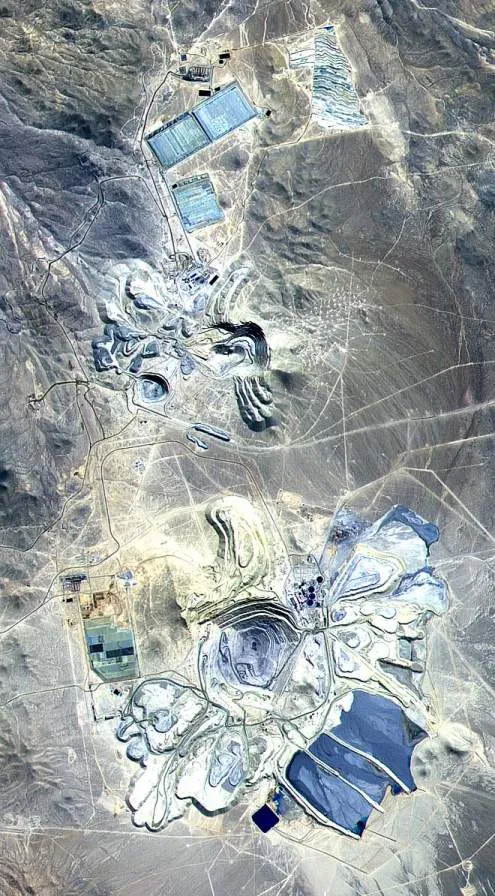
"EscondidaMine-EO" by NASA The original uploader was Seth Ilys at English Wikipedia./ Wikimedia Commons
Natural resources are materials from Earth that humans use for energy, building, and manufacturing. These resources include fossil fuels like coal and oil, minerals like gold and copper, and fertile soil for growing food. However, these resources are not spread evenly across the planet. Some regions have abundant oil reserves while others have none. Certain areas contain rich mineral deposits while neighboring regions lack them completely. This uneven distribution results from geologic processes that occurred millions of years ago.
Plate tectonics plays a major role in determining where mineral resources form. Earth's outer layer consists of large plates that move slowly over time. When these plates collide, one plate may slide beneath another in a process called subduction. The intense heat and pressure at subduction zones cause rocks to melt and reform, concentrating valuable minerals like copper, gold, and silver. This explains why the western coasts of North and South America, located along major subduction zones, contain significant mineral deposits. When plates pull apart, magma rises to fill the gap, creating new rock formations that may contain different mineral resources. The mid-ocean ridges where plates separate contain deposits of metals like iron and manganese.
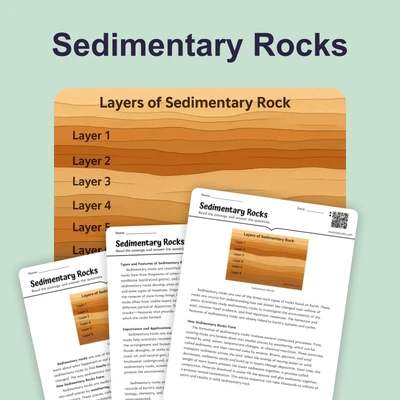
Sedimentation is another critical process that determines resource location. Over millions of years, rivers carry tiny particles of rock, soil, and organic matter downstream. These particles settle in layers at the bottom of oceans, lakes, and swamps. As more layers accumulate, the weight compresses the lower layers, and chemical changes occur. Dead plants and marine organisms trapped in these layers eventually transform into fossil fuels under the right conditions of heat and pressure. Coal formed from ancient swamp forests, which is why major coal deposits exist in regions that were tropical wetlands millions of years ago, such as Appalachia in the eastern United States. Oil and natural gas formed from tiny marine organisms, so these resources concentrate in areas that were once covered by ancient seas.
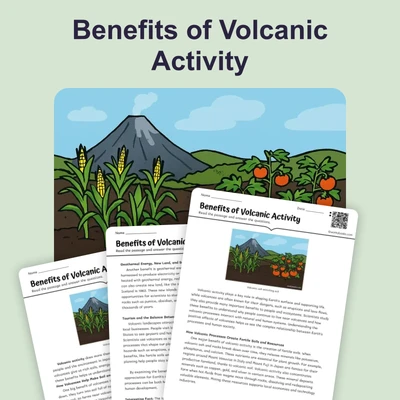
Volcanism also influences resource distribution in important ways. When volcanoes erupt, they bring materials from deep within Earth to the surface. Volcanic rock often contains valuable minerals that formed under extreme heat and pressure. Additionally, volcanic eruptions deposit layers of ash that break down over time into extremely fertile soil. This explains why regions near volcanoes, despite the danger, often support productive agriculture. The volcanic soils of Hawaii and Indonesia produce abundant crops. Hot water circulating through volcanic rock can also concentrate minerals, creating hydrothermal deposits of copper, zinc, and gold.
The timescale of these processes is essential to understanding resource distribution. Plate movements occur at rates of only a few centimeters per year, but over millions of years, continents shift thousands of kilometers. Regions that are deserts today may have been underwater millions of years ago, which is why we find marine fossils and oil deposits in unlikely places. The coal beneath Antarctica formed when that continent was located near the equator and covered with forests. Understanding these ancient processes helps geologists predict where undiscovered resources might exist.
Human civilization developed differently across the globe partly because of this uneven resource distribution. Regions with accessible coal and iron ore could develop steel industries during the Industrial Revolution. Areas with fertile volcanic soil supported large agricultural populations. Countries with oil reserves gained economic advantages in the modern era. Recognizing that resource distribution results from geologic processes, not random chance, helps explain both historical development patterns and current global inequalities.
Interesting Fact: The world's largest copper mine, Escondida in Chile, exists because of plate tectonics. The mine sits along the boundary where the Nazca Plate subducts beneath the South American Plate, a process that concentrated copper ore over millions of years.
Comprehension quiz (10 questions)
1. What are natural resources?
2. What happens during subduction?
3. Based on the passage, what is the term for tiny particles settling in layers at the bottom of oceans and lakes?
4. Why do regions near volcanoes often support productive agriculture?
5. How does the passage explain why coal is found in the eastern United States?
6. If a geologist discovers marine fossils in a desert region, what can be inferred?
7. According to the passage, what role did plate tectonics play in creating the Escondida copper mine in Chile?
8. How might understanding ancient geologic processes help modern society?
9. True or False: Tectonic plates move several meters per year.
10. True or False: Oil and natural gas formed from tiny marine organisms trapped in sediment layers.
Perfect for the way you teach
- Build comprehension skills
- Auto-graded quiz
- Differentiated reading
- Read together at home
- Improve fluency
- Quiet reading time
- Reading curriculum support
- Independent practice
- Track Lexile growth