Wildfire Preparedness
Interactive passage with audio narration, comprehension questions, and printable PDF.
By completing this purchase you agree to our Terms of Use and Privacy Policy. Your subscription renews automatically until you cancel. You can cancel anytime from your account settings. All sales are final and non-refundable. Digital content is available for download in your account immediately upon purchase.
What's included
Wildfire Preparedness preview and details
About this printable Wildfire Preparedness science reading passage, NGSS-aligned (Grades 5-8)
Sample passage and quiz from Wildfire Preparedness
Reading passage and comprehension quiz preview
Wildfire Preparedness
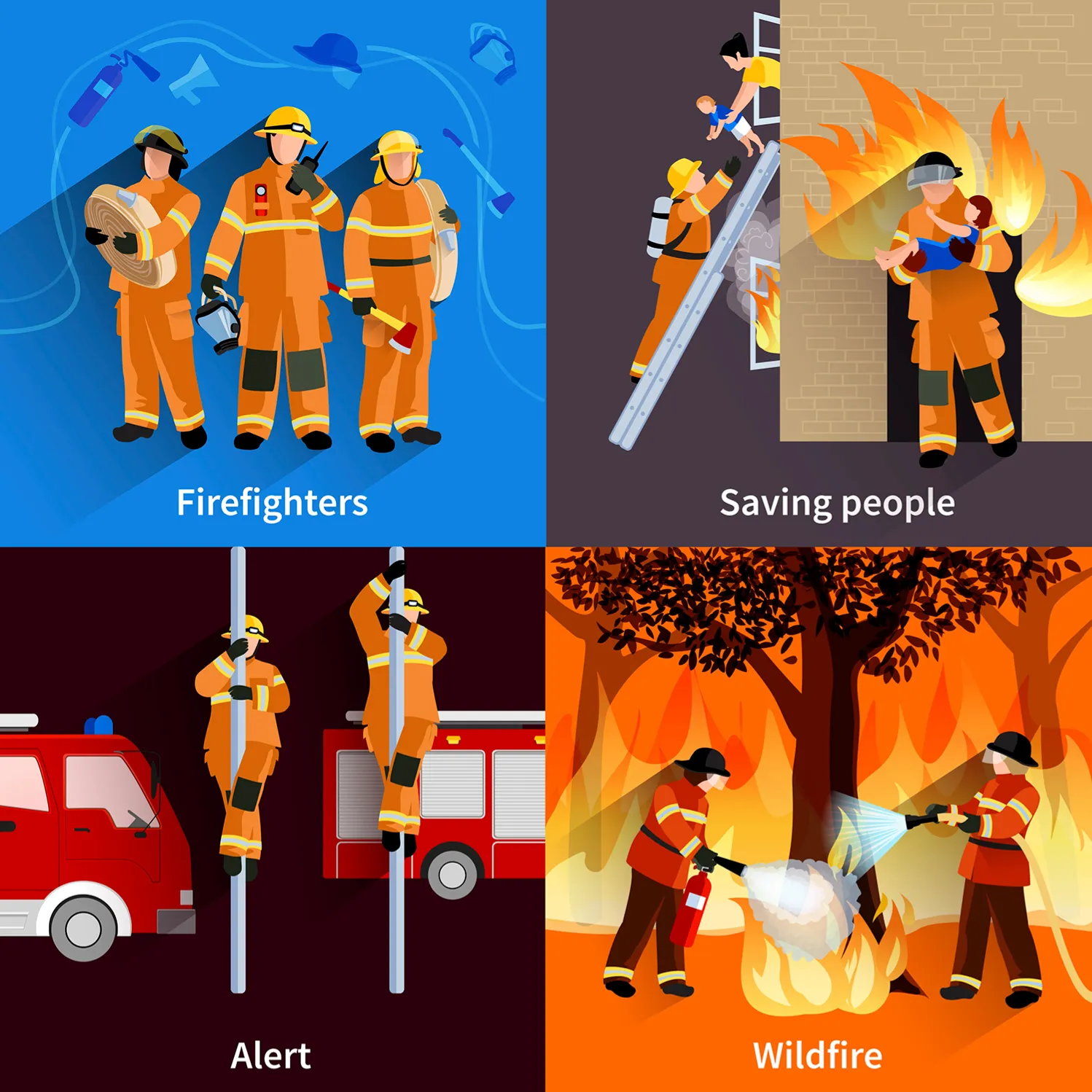
Wildfires are powerful natural events that can spread rapidly and threaten homes, communities, and ecosystems. In the past decade, scientists have observed an increase in wildfire frequency and intensity due to factors like climate change and land management practices. This raises a crucial question: how can people protect themselves and their surroundings from the destructive power of wildfires? The answer lies in understanding the science of wildfire behavior and using preparedness strategies to reduce risks.
Defensible Space and Home Hardening
One of the most effective ways to protect a property from wildfire is to create defensible space. Defensible space means removing or reducing flammable vegetation within at least 100 feet of a structure. This buffer slows the spread of fire and provides firefighters a safer area to work. For example, clearing dead leaves, trimming tree branches, and spacing shrubs can all help prevent flames from reaching a home. In addition, home hardening involves using fire-resistant materials for roofs, vents, decks, and siding. Installing metal or tile roofing, covering vents with fine mesh, and using non-combustible decks reduce the chance that embers will ignite the building. Clearing gutters and removing debris are also critical steps, as wind-blown embers can land in these spots and start fires.
Community Protection and Evacuation
Wildfire preparedness is not just an individual responsibility; it requires action at the community level. Communities can create fuel breaks—areas where vegetation is thinned or removed—to help slow or stop fires. Controlled or prescribed burns are sometimes used to remove excess fuel safely before a wildfire starts. Local, state, and federal agencies often coordinate resources, including aircraft and specialized hotshot crews, to fight large fires. Community plans include warning systems and evacuation routes. Residents are encouraged to have a "ready-set-go" plan: know your evacuation routes, be ready to leave early, and don’t wait until the last moment. During evacuation, people should close windows and doors, turn on lights for visibility in smoke, and wear protective clothing.
Smoke Hazards and Fire-Adapted Communities
Besides flames, wildfire smoke poses serious respiratory health risks. Smoke contains tiny particles that reduce air quality and can cause breathing problems, especially for children, older adults, and people with asthma. Monitoring air quality and using N95 masks can help protect against harmful smoke exposure. Over time, some communities become fire-adapted: they use science-based planning, engineering, and education to live more safely with wildfire. By integrating preparedness with building codes and land use planning, these communities reduce risks and recover more quickly from fire events.
Wildfire preparedness involves a system of steps and interactions that protect people, property, and ecosystems. By combining defensible space, home hardening, community action, and personal safety measures, individuals and communities can reduce wildfire damage. These strategies reflect larger scientific principles of systems thinking, risk reduction, and adaptation—helping people live alongside a changing natural world.
Interesting Fact: Some plant species, like certain pine trees, actually need fire to release their seeds and regenerate, showing that fire is a natural and sometimes beneficial part of many ecosystems.
Comprehension quiz (10 questions)
1. What is the main purpose of creating defensible space around a home?
2. Which action is part of home hardening?
3. Why are prescribed burns used by communities?
4. What does the term 'air quality' mean in the passage?
5. What is a 'hotshot crew'?
6. According to the passage, what should people do during an evacuation?
7. Which of the following statements is supported by the text?
8. How do fire-adapted communities help reduce wildfire risks?
9. Fire-resistant roofing is an example of home hardening. (True/False)
10. Prescribed burns are always dangerous for communities. (True/False)
Perfect for the way you teach
- Build comprehension skills
- Auto-graded quiz
- Differentiated reading
- Read together at home
- Improve fluency
- Quiet reading time
- Reading curriculum support
- Independent practice
- Track Lexile growth