Can We Predict Exactly When Earthquakes Will Happen
Interactive passage with audio narration, comprehension questions, and printable PDF.
By completing this purchase you agree to our Terms of Use and Privacy Policy. Your subscription renews automatically until you cancel. You can cancel anytime from your account settings. All sales are final and non-refundable. Digital content is available for download in your account immediately upon purchase.
What's included
Can We Predict Exactly When Earthquakes Will Happen preview and details
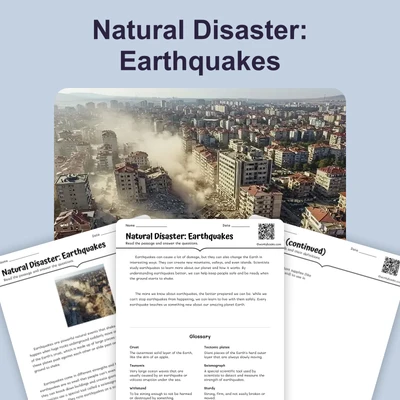
About this printable Can We Predict Exactly When Earthquakes Will Happen science reading passage, NGSS-aligned (Grades 5-8)
Sample passage and quiz from Can We Predict Exactly When Earthquakes Will Happen
Reading passage and comprehension quiz preview
Can We Predict Exactly When Earthquakes Will Happen
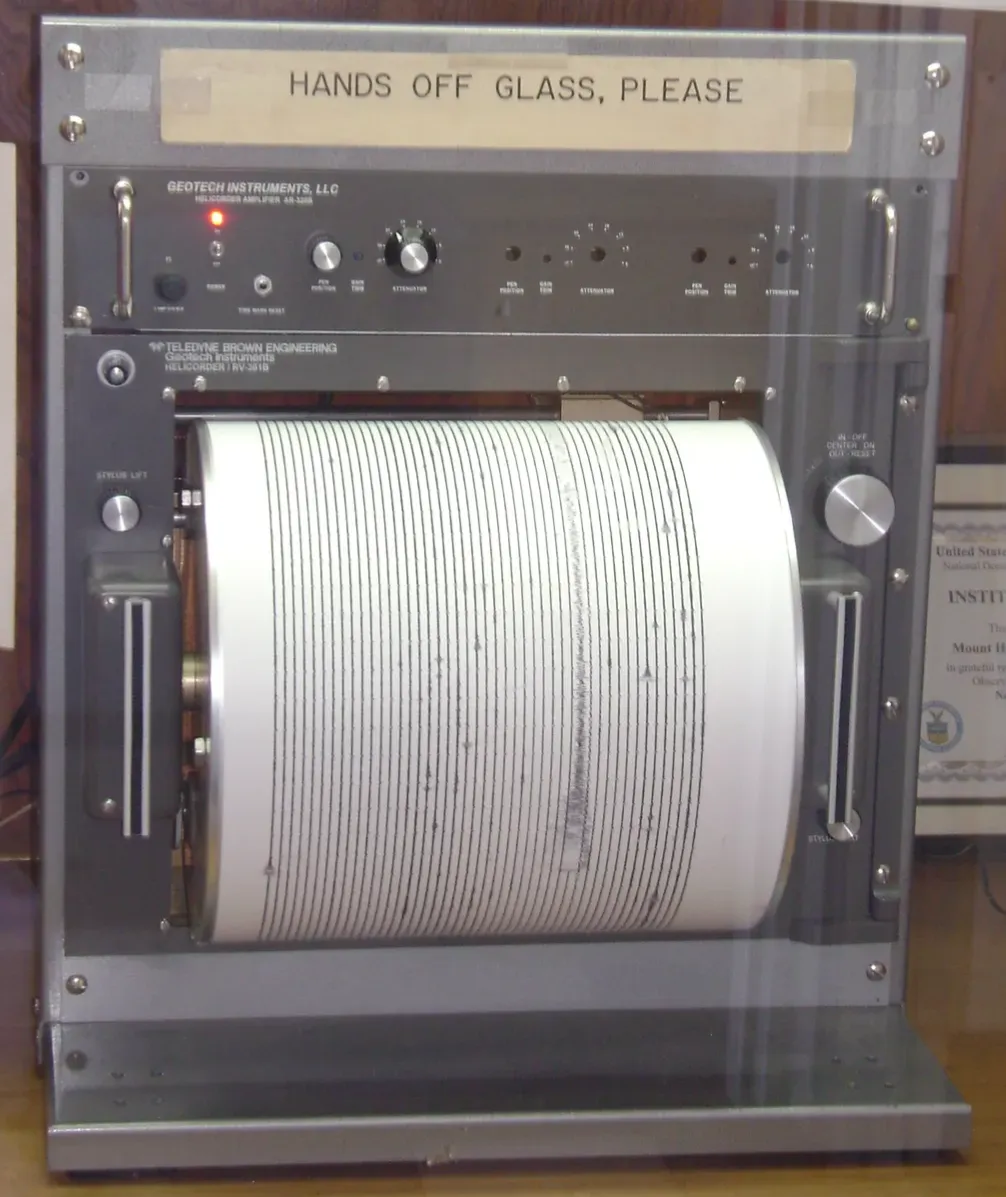
"Seismometer at Lick Observatory" by Oleg Alexandrov / Wikimedia Commons
The honest answer is no. Scientists cannot predict exactly when and where an earthquake will strike. This may surprise many people who have heard claims about earthquake prediction. Despite advances in technology, no reliable method exists to say a specific earthquake will hit a certain location at a precise time.
Many people confuse two different concepts: forecasting and predicting. Scientists can forecast the long-term probability that a region will experience an earthquake over decades. For example, evidence shows California has a high probability of major earthquakes because it sits on active fault lines. However, scientists cannot predict that a big quake will strike Los Angeles next Tuesday at 3:00 PM. The difference matters greatly for public safety and planning.
Some people claim animals behave strangely before earthquakes, or that unusual weather patterns signal coming quakes. Scientists have studied these claims carefully. The evidence does not support these methods as reliable prediction tools. Seismologists explain that earthquakes result from complex movements in Earth's crust. These movements involve many variables that scientists cannot yet measure precisely enough for accurate predictions.
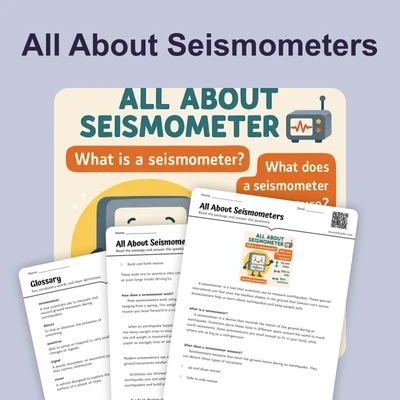
Early warning systems represent a different technology entirely. These systems do not predict earthquakes before they happen. Instead, they detect a quake the instant it begins. Seismometers sense the first waves and send alerts within seconds. This gives people time to take cover before stronger shaking arrives. Japan used this technology during a 2011 earthquake, providing crucial seconds of warning. The system detected the quake but did not predict it would occur.
Understanding what science can and cannot do helps communities prepare properly. Scientists can identify high-risk areas and estimate long-term dangers. They can design better buildings and create emergency plans. However, they cannot tell residents to evacuate on a specific day because a quake will strike. Knowing these limits prevents false alarms and helps focus resources on proven safety measures. The scientific process involves recognizing uncertainty as well as certainty.
Interesting Fact: The largest recorded earthquake occurred in Chile in 1960, measuring 9.5 on the magnitude scale. Even with modern technology, scientists could not have predicted its exact timing.
Comprehension quiz (10 questions)
1. According to the passage, can scientists predict exactly when and where an earthquake will strike?
2. What is the main difference between forecasting and predicting earthquakes?
3. What does the term 'probability' mean in the context of earthquake forecasting?
4. What do early warning systems actually do?
5. Why can't scientists predict earthquakes precisely?
6. What real-world example does the passage provide about early warning systems?
7. According to the passage, what can scientists do to help communities prepare for earthquakes?
8. What does the passage say about claims that animals behave strangely before earthquakes?
9. True or False: Scientists can forecast that California has a high probability of earthquakes over many years.
10. True or False: Understanding the limits of science is just as valuable as understanding what science can do.
Perfect for the way you teach
- Build comprehension skills
- Auto-graded quiz
- Differentiated reading
- Read together at home
- Improve fluency
- Quiet reading time
- Reading curriculum support
- Independent practice
- Track Lexile growth