How Can You Reduce Your Impact
Interactive passage with audio narration, comprehension questions, and printable PDF.
By completing this purchase you agree to our Terms of Use and Privacy Policy. Your subscription renews automatically until you cancel. You can cancel anytime from your account settings. All sales are final and non-refundable. Digital content is available for download in your account immediately upon purchase.
What's included
How Can You Reduce Your Impact preview and details
About this printable How Can You Reduce Your Impact science reading passage, NGSS-aligned (Grades 6-8)
Sample passage and quiz from How Can You Reduce Your Impact
Reading passage and comprehension quiz preview
Reducing Your Environmental Footprint
An ecological footprint measures the amount of Earth's resources a person or community uses compared to the planet's ability to replace those resources. Every action we take—from turning on lights to eating meals—requires natural resources like water, energy, and raw materials. Scientists calculate ecological footprints in global hectares, which represent the amount of biologically productive land and water needed to support our lifestyle. Currently, the average person in the United States has an ecological footprint of about 8.1 global hectares, while Earth can only sustainably provide about 1.7 global hectares per person.
Energy consumption represents one of the largest parts of most people's ecological footprints. When we use electricity generated from fossil fuels like coal, oil, and natural gas, we release carbon dioxide into the atmosphere and deplete non-renewable resources. Simple changes can significantly reduce energy-related impacts. Switching to LED light bulbs uses 75% less energy than traditional incandescent bulbs. Unplugging devices when not in use eliminates "phantom energy" consumption. Setting thermostats just two degrees lower in winter and higher in summer can reduce a household's carbon emissions by about 2,000 pounds annually. Using renewable energy sources like solar panels or choosing electricity from wind farms further decreases environmental impact.
Food choices also affect our ecological footprints in important ways. Producing meat, especially beef, requires much more land, water, and energy than growing vegetables, grains, or legumes. A single hamburger requires approximately 660 gallons of water when accounting for the water needed to grow feed crops and raise cattle. Choosing plant-based meals even once or twice weekly can reduce an individual's food-related footprint by 8%. Buying locally grown food decreases transportation emissions because products travel shorter distances from farm to table. Reducing food waste matters too—Americans throw away about 40% of food purchased, which wastes all the resources used to produce, package, and transport that food.
Transportation choices create another significant portion of ecological footprints. Cars and trucks burning gasoline release carbon dioxide and other greenhouse gases that contribute to climate change. Walking, biking, or using public transportation for short trips dramatically reduces these emissions. For example, taking a bus instead of driving alone can reduce carbon emissions by 20 pounds per day. Carpooling with just one other person cuts an individual's transportation footprint in half. When driving is necessary, maintaining proper tire pressure and avoiding rapid acceleration improves fuel efficiency by up to 25%.
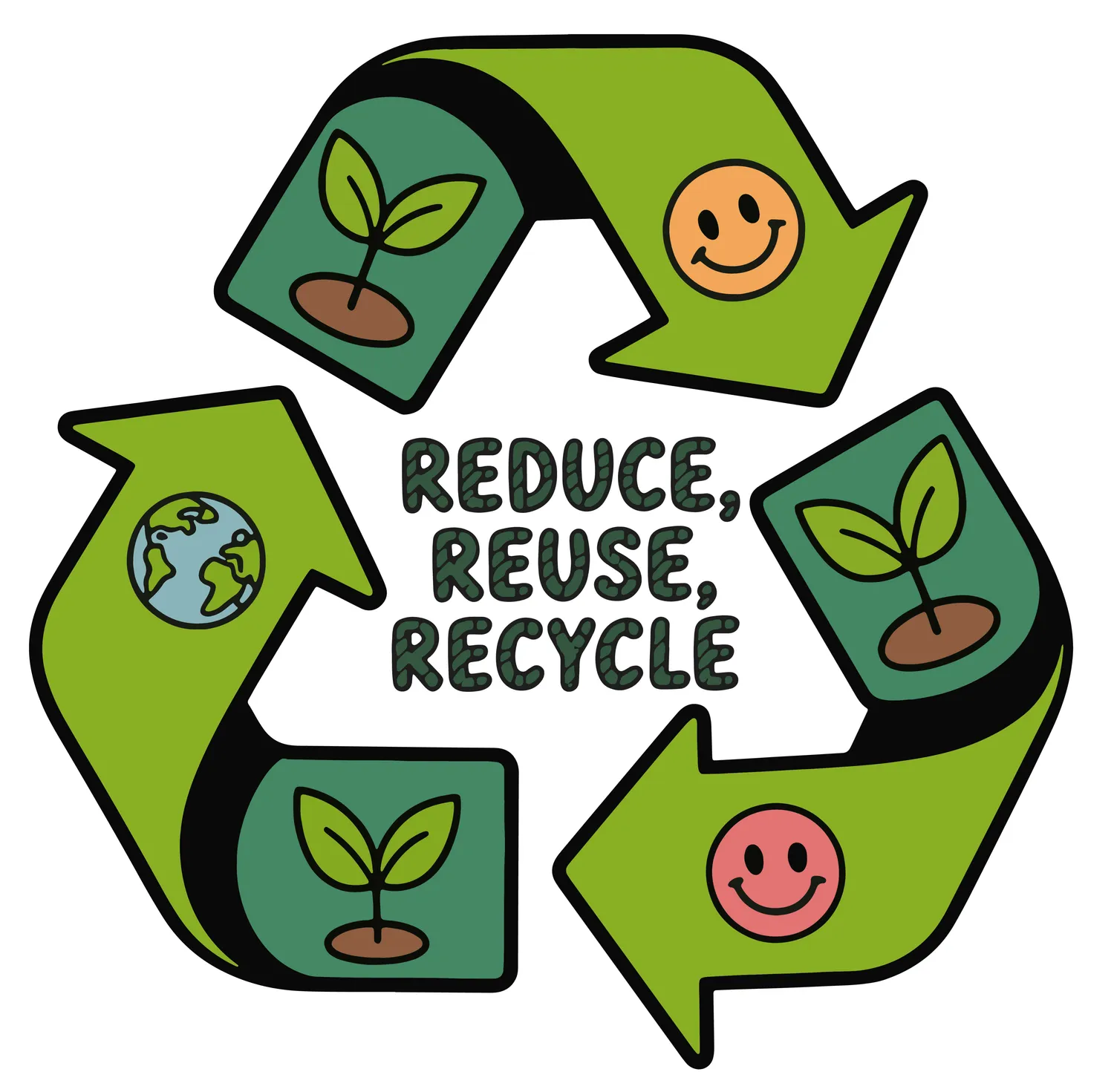
Consumption patterns—what we buy and how much we purchase—also shape our environmental impact. Manufacturing new products requires raw materials, energy, and water, while disposal creates waste. Choosing durable items that last longer reduces the need for frequent replacements. Buying secondhand clothes, books, and electronics gives products a second life and prevents new manufacturing. The principle of "reduce, reuse, recycle" works in that specific order because reducing consumption has the greatest impact, reusing items comes next, and recycling, while helpful, still requires energy and resources. Each American generates about 4.5 pounds of trash daily, but making mindful consumption choices can cut this amount substantially.
Communities can amplify individual actions through collective efforts. Schools implementing composting programs divert organic waste from landfills while creating nutrient-rich soil. Neighborhoods organizing tool-sharing programs reduce the number of items each household must purchase. Cities expanding bike lanes and public transit make low-impact transportation more accessible. These community-level changes demonstrate how environmental solutions work at multiple scales, from personal choices to broader infrastructure improvements.
Interesting Fact: If everyone on Earth lived like the average American, we would need five planet Earths to sustainably provide all the necessary resources and absorb all the waste produced.
Comprehension quiz (10 questions)
1. What does an ecological footprint measure?
2. How much can switching to LED light bulbs reduce energy use compared to traditional incandescent bulbs?
3. What does the term 'fossil fuels' refer to in the passage?
4. According to the passage, what does 'renewable energy' mean?
5. Why does producing beef have a larger ecological footprint than growing vegetables?
6. How can carpooling with one other person affect your transportation footprint?
7. What is the correct order of the waste reduction principle mentioned in the passage?
8. How do community-level changes like bike lanes and public transit help reduce environmental impact?
9. True or False: The average American's ecological footprint is within what Earth can sustainably provide per person.
10. True or False: Composting programs help reduce waste by turning organic materials into nutrient-rich soil.
Perfect for the way you teach
- Build comprehension skills
- Auto-graded quiz
- Differentiated reading
- Read together at home
- Improve fluency
- Quiet reading time
- Reading curriculum support
- Independent practice
- Track Lexile growth