How Do Humans Impact Freshwater Supply
Interactive passage with audio narration, comprehension questions, and printable PDF.
By completing this purchase you agree to our Terms of Use and Privacy Policy. Your subscription renews automatically until you cancel. You can cancel anytime from your account settings. All sales are final and non-refundable. Digital content is available for download in your account immediately upon purchase.
What's included
How Do Humans Impact Freshwater Supply preview and details
About this printable How Do Humans Impact Freshwater Supply science reading passage, NGSS-aligned (Grades 6-8)
Sample passage and quiz from How Do Humans Impact Freshwater Supply
Reading passage and comprehension quiz preview
How Humans Impact Freshwater Supply
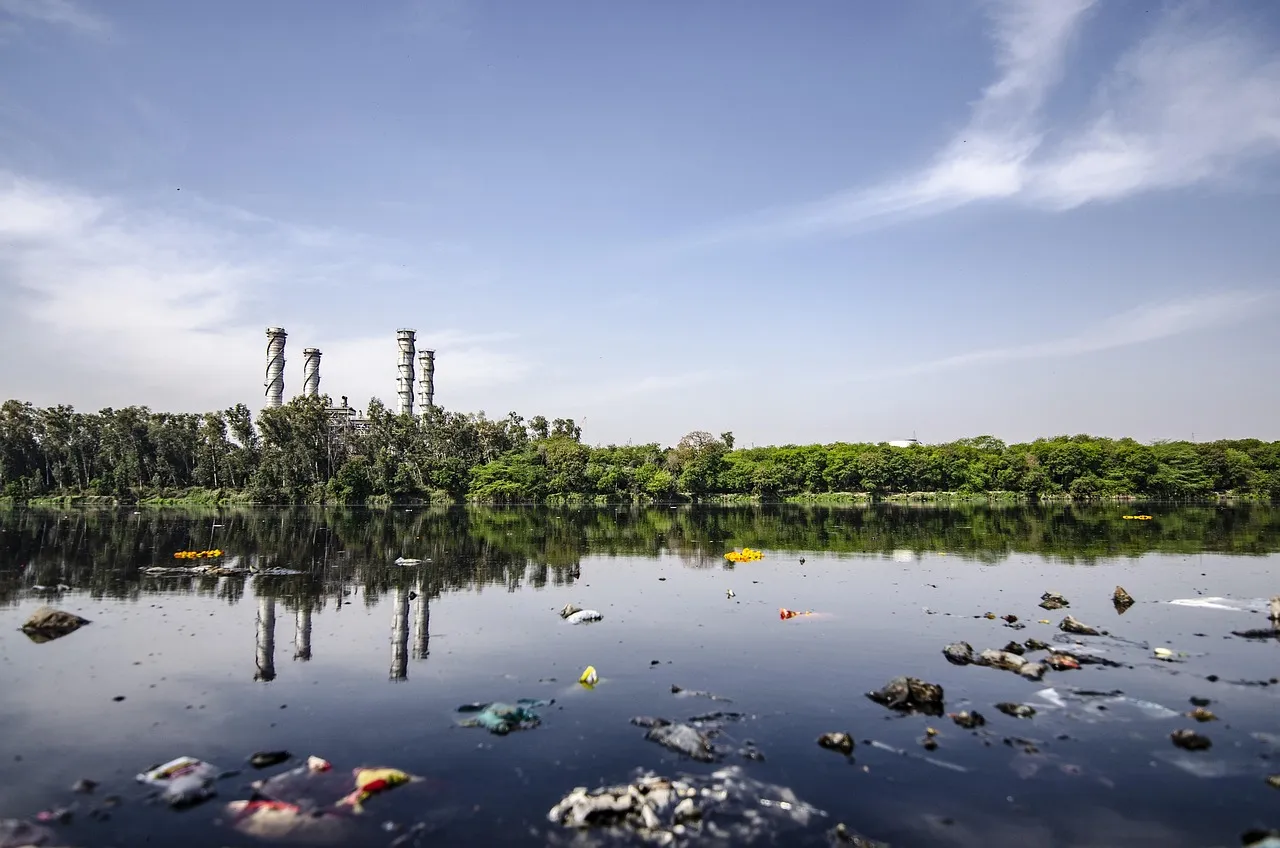
"Industrial factory stacks looming over a river polluted with floating trash." Image by yogendras31 / Pixabay.
Freshwater is one of Earth's most important natural resources, but only about 3% of all water on our planet is fresh, and much of that is frozen in glaciers. Freshwater is water that contains very low amounts of dissolved salts and is found in rivers, lakes, and underground sources called aquifers. Human activities are reducing both the amount and quality of freshwater available for people and ecosystems to use.
One major way humans impact freshwater is through pollution, which occurs when harmful substances enter water sources. Factories sometimes release chemicals into rivers, while farms use fertilizers and pesticides that wash into streams during rainstorms. This process, called runoff, carries these chemicals from land into water bodies. When cities dump untreated sewage into rivers, bacteria and other harmful organisms contaminate the water. Polluted water cannot be used for drinking without expensive treatment, and it harms fish, plants, and other organisms that live in aquatic ecosystems. In some regions, pollution has made entire lakes unsafe for swimming or fishing.
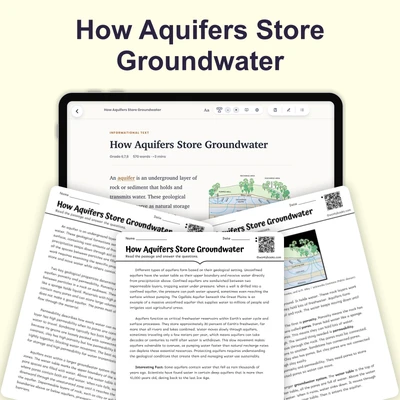
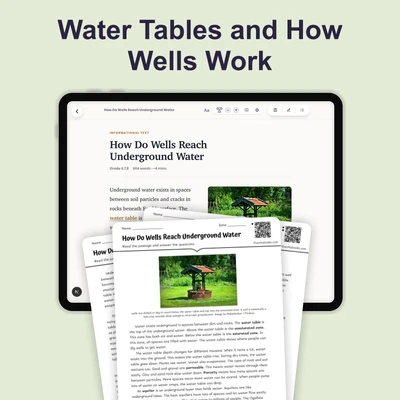
Another critical problem is the over-extraction of groundwater, which means pumping out water from underground aquifers faster than natural processes can refill them. Groundwater supplies about half of the drinking water in the United States and is essential for irrigating crops. When farmers, industries, and cities pump too much groundwater, the water table drops. The water table is the upper level of underground water in an aquifer. As it falls, wells must be drilled deeper, which costs more money. In extreme cases, aquifers can become permanently damaged when the rock and soil above them collapse into the empty space. California's Central Valley has experienced this problem, with some areas sinking more than 28 feet due to excessive groundwater pumping.
Land use changes also significantly affect freshwater availability. When forests are cleared for agriculture or cities expand over natural landscapes, the ground's ability to absorb water decreases. Trees and plants normally intercept rainfall and help water soak into the ground, recharging aquifers. Concrete and asphalt in urban areas prevent this natural infiltration, causing rainwater to run off quickly into storm drains instead of replenishing groundwater supplies. This means less water enters aquifers while more flows directly into rivers, sometimes causing flooding. Deforestation near rivers also removes trees whose roots stabilize soil and filter pollutants before they reach water sources.
These three human impacts—pollution, over-extraction, and land use changes—are interconnected and create a cycle of declining water quality and availability. As populations grow and industries expand, the demand for freshwater increases while the usable supply shrinks. Communities that depend on a single aquifer or river face serious challenges when that source becomes polluted or depleted. Ecosystems suffer too, as wetlands dry up, fish populations decline, and entire habitats disappear. The problem demonstrates why freshwater must be recognized as a finite resource that requires careful management and protection.
Solving these problems requires changes in how humans use water and land. Governments can enforce laws that limit pollution and regulate groundwater pumping. Farmers can adopt practices that reduce chemical runoff and use water more efficiently. Cities can design green spaces and permeable surfaces that allow rainwater to soak into the ground. Individuals can conserve water in their daily lives and support policies that protect water sources. Understanding how human activities impact freshwater is the first step toward ensuring this vital resource remains available for future generations.
Interesting Fact: The Ogallala Aquifer, which lies beneath eight states in the Great Plains, provides water for about one-fifth of U.S. cropland but is being depleted 8 times faster than nature can refill it.
Comprehension quiz (10 questions)
1. What percentage of Earth's water is freshwater?
2. What is runoff?
3. What happens when too much groundwater is extracted from an aquifer?
4. According to the passage, what is infiltration?
5. How do land use changes affect freshwater availability?
6. Based on the passage, which of the following is an example of pollution affecting freshwater?
7. Why does the passage describe freshwater as a finite resource?
8. What can cities do to help rainwater recharge aquifers?
9. True or False: The Ogallala Aquifer is being refilled by nature faster than it is being depleted.
10. True or False: Pollution, over-extraction, and land use changes are interconnected problems that affect freshwater supply.
Perfect for the way you teach
- Build comprehension skills
- Auto-graded quiz
- Differentiated reading
- Read together at home
- Improve fluency
- Quiet reading time
- Reading curriculum support
- Independent practice
- Track Lexile growth