What Is Biomass Energy
Interactive passage with audio narration, comprehension questions, and printable PDF.
By completing this purchase you agree to our Terms of Use and Privacy Policy. Your subscription renews automatically until you cancel. You can cancel anytime from your account settings. All sales are final and non-refundable. Digital content is available for download in your account immediately upon purchase.
What's included
What Is Biomass Energy preview and details
About this printable What Is Biomass Energy science reading passage, NGSS-aligned (Grades 6-8)
Sample passage and quiz from What Is Biomass Energy
Reading passage and comprehension quiz preview
How Does Biomass Store and Release Energy
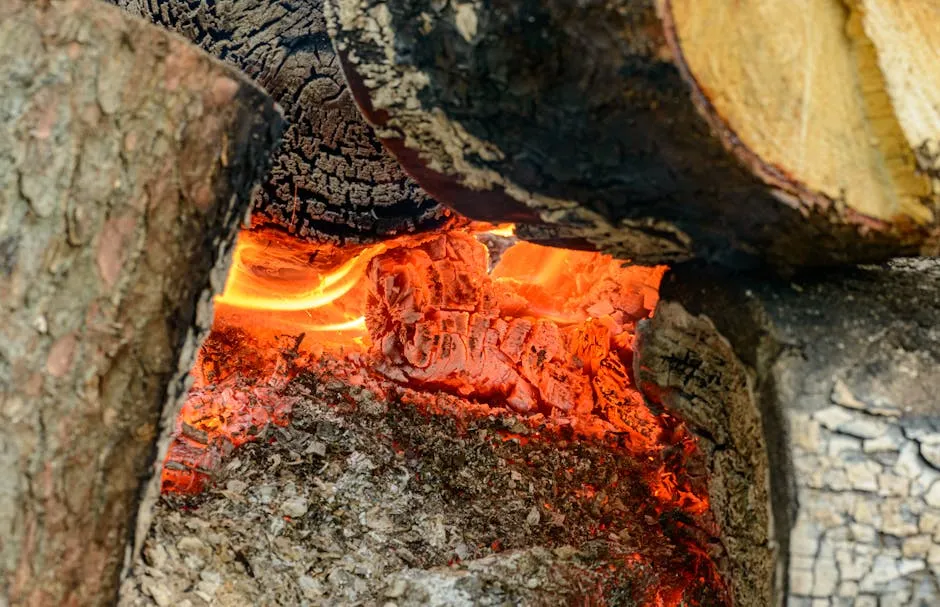
When wood burns in a fireplace or wood-burning stove, the chemical energy stored in the wood is released as heat and light energy. Image by Petr Ganaj / Pexels.
Biomass energy is energy produced from organic materials that come from plants and animals. These materials include wood, crops, food waste, and animal manure. Biomass is considered a renewable energy source because new plants and organic materials can be grown to replace what is used. Understanding how biomass energy works helps us see how stored solar energy can be released and used for human needs.
The process of creating biomass energy begins with photosynthesis, which occurs in green plants. During photosynthesis, plants use energy from sunlight to convert carbon dioxide from the air and water from the soil into glucose, a type of sugar. This glucose stores chemical energy that originally came from the sun. Plants use some of this energy to grow, while the rest remains stored in their leaves, stems, and roots. When we use biomass for energy, we are actually releasing solar energy that was captured and stored by plants months or even years earlier.
There are two main ways to release energy from biomass: direct combustion and conversion to biofuel. Direct combustion means burning organic materials to produce heat. When wood burns in a fireplace or wood-burning stove, the chemical energy stored in the wood is released as heat and light energy. This heat can warm buildings or boil water to create steam that turns turbines to generate electricity. Many power plants around the world burn biomass materials like wood chips, agricultural waste, or specially grown energy crops to produce electricity for thousands of homes.
The second method involves converting biomass into liquid or gas fuels that can be used in vehicles or generators. One common example is ethanol, a type of alcohol fuel made from corn, sugarcane, or other crops. To produce ethanol, the starches or sugars in these crops are broken down through fermentation, a process where microorganisms convert sugars into alcohol. The ethanol can then be mixed with gasoline to fuel cars and trucks. Another example is biogas, which is produced when bacteria break down organic waste in the absence of oxygen. This process, called anaerobic digestion, creates methane gas that can be burned for heat or electricity.
Biomass energy has both advantages and challenges. As a renewable resource, biomass can be regrown, unlike fossil fuels which take millions of years to form. Using biomass can also help reduce waste by converting garbage and agricultural leftovers into useful energy. However, burning biomass does release carbon dioxide into the atmosphere, just like burning fossil fuels. The key difference is that growing new plants to replace harvested biomass removes carbon dioxide from the air through photosynthesis, creating a cycle that can be more balanced than using fossil fuels.
Communities and industries use biomass energy in various practical ways. Farmers may use anaerobic digesters to convert animal waste into biogas for heating barns or running equipment. Lumber mills often burn wood scraps to power their operations. Some cities collect yard waste and food scraps to produce compost or biogas rather than sending these materials to landfills. These applications show how biomass energy can turn waste products into valuable energy resources.
Interesting Fact: A single acre of corn can produce enough ethanol to fuel a car for about 7,000 miles, demonstrating how efficiently plants can store solar energy in a form humans can use.
Comprehension quiz (10 questions)
1. What is biomass energy?
2. During photosynthesis, plants convert sunlight into what form of stored energy?
3. What does the term 'combustion' mean in the context of biomass energy?
4. Which process is used to make ethanol from corn or sugarcane?
5. Why is biomass considered a renewable energy source?
6. What can be inferred about the relationship between photosynthesis and biomass energy?
7. How does using biomass energy differ from using fossil fuels in terms of the carbon cycle?
8. If a farmer wanted to convert animal waste into usable energy, which process would be most appropriate?
9. True or False: Biomass energy releases solar energy that was originally captured by plants through photosynthesis.
10. True or False: Burning biomass produces no carbon dioxide emissions.
Perfect for the way you teach
- Build comprehension skills
- Auto-graded quiz
- Differentiated reading
- Read together at home
- Improve fluency
- Quiet reading time
- Reading curriculum support
- Independent practice
- Track Lexile growth