How Does Human Activity Cause Soil Erosion
Interactive passage with audio narration, comprehension questions, and printable PDF.
By completing this purchase you agree to our Terms of Use and Privacy Policy. Your subscription renews automatically until you cancel. You can cancel anytime from your account settings. All sales are final and non-refundable. Digital content is available for download in your account immediately upon purchase.
What's included
How Does Human Activity Cause Soil Erosion preview and details
About this printable How Does Human Activity Cause Soil Erosion science reading passage, NGSS-aligned (Grades 6-8)
Sample passage and quiz from How Does Human Activity Cause Soil Erosion
Reading passage and comprehension quiz preview
How Human Activity Causes Soil Erosion
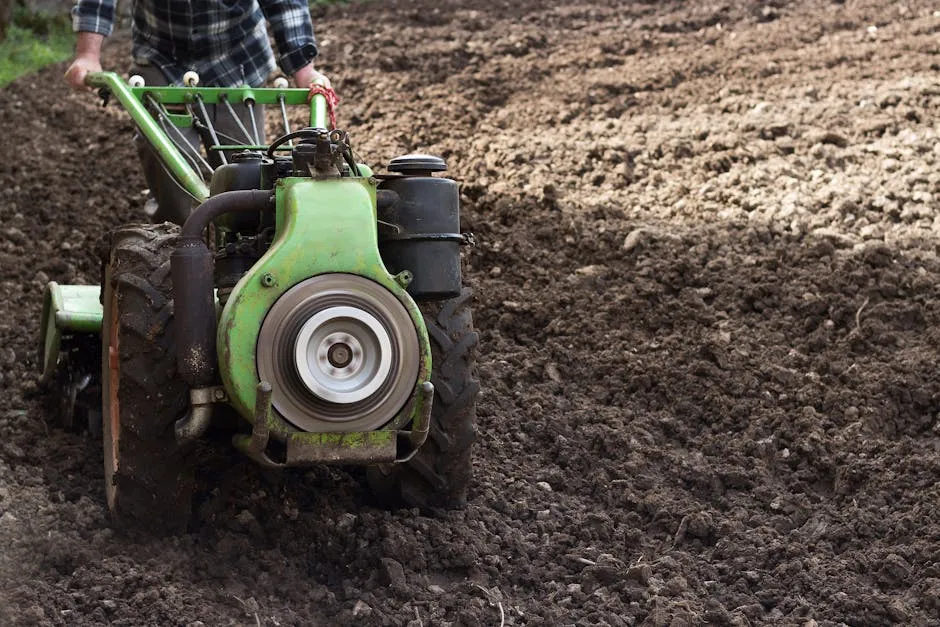
When farmers plow fields to prepare for planting, they break up the soil structure and remove existing vegetation. Image by Zakhar Vozhdaienko / Pexels.
Soil erosion is the process by which soil particles are removed from the land surface by wind or water. While erosion occurs naturally, human activities have greatly accelerated this process. Vegetation, including grasses, shrubs, and trees, normally protects soil by anchoring it with roots and shielding it from wind and rain. When humans remove this protective plant cover, soil becomes vulnerable to erosion at rates much faster than nature can replace it.
Agriculture is one of the primary human activities that causes soil erosion. When farmers plow fields to prepare for planting, they break up the soil structure and remove existing vegetation. This leaves soil exposed to wind and rain for weeks or months before crops grow large enough to provide protection. Topsoil, the nutrient-rich upper layer of soil essential for plant growth, is especially vulnerable during this period. Heavy rainfall can wash away topsoil in a process called sheet erosion, while strong winds can blow loose soil particles away. Additionally, when farmers plant the same crops repeatedly without using crop rotation or allowing fields to rest, soil loses its structure and becomes even more susceptible to erosion.
Deforestation, the clearing of forests for timber or to create farmland and pastures, removes the most effective natural barrier against erosion. Tree roots extend deep into the ground, holding soil in place even during heavy storms. When forests are cut down, this root network dies and decays, leaving soil loose and unprotected. On sloped terrain, deforestation is particularly damaging because gravity pulls exposed soil downhill when rain falls. In tropical regions, where heavy rainfall is common, a single deforested hillside can lose several inches of topsoil in just one rainy season.
Construction activities also contribute significantly to soil erosion. When developers build roads, homes, or commercial buildings, they must first clear the land of all vegetation and often reshape the terrain by cutting into hillsides or filling in low areas. Construction sites can remain bare for months or even years, during which time soil is completely exposed to erosive forces. Runoff from construction sites often carries large amounts of loose soil into nearby streams and rivers. Construction equipment also compacts soil, reducing its ability to absorb water and increasing surface runoff.
The loss of topsoil has serious consequences for agricultural productivity. Topsoil contains most of the organic matter and nutrients that plants need to grow. When erosion removes this layer, crops must grow in subsoil, which has fewer nutrients and poorer structure. Farmers must then apply more fertilizers to maintain crop yields, which increases costs and can lead to water pollution. In severe cases, erosion can remove so much soil that land becomes unsuitable for farming altogether. Scientists estimate that erosion reduces global agricultural productivity by billions of dollars annually.
Eroded soil does not simply disappear; it must go somewhere. Much of it ends up in waterways as sediment, causing multiple environmental problems. Sediment makes water cloudy, blocking sunlight that aquatic plants need for photosynthesis. It can smother fish eggs and the small organisms that fish eat. When sediment settles to the bottom of rivers and lakes, it fills in spaces between rocks where many aquatic creatures live and breed. Sediment also carries absorbed fertilizers and pesticides from agricultural fields into waterways, contributing to eutrophication, a process where excess nutrients cause harmful algae blooms that deplete oxygen in water.
Understanding how human activities cause soil erosion is essential for developing solutions. Farmers can reduce erosion by using conservation practices such as planting cover crops, creating terraces on slopes, and practicing no-till farming. Construction companies can install silt fences and plant temporary vegetation to stabilize soil. Communities can protect forests and restore vegetation in degraded areas. These efforts help preserve topsoil for future food production and protect water quality in our rivers, lakes, and streams.
Interesting Fact: It takes nature approximately 500 years to form just one inch of topsoil, but erosion can remove that same inch in a single decade of intensive farming without proper conservation practices.
Comprehension quiz (10 questions)
1. What is the main role of vegetation in preventing soil erosion?
2. According to the passage, how long does it take nature to form one inch of topsoil?
3. What does the term 'sheet erosion' mean in the context of the passage?
4. What is 'eutrophication' as described in the passage?
5. Why is deforestation particularly damaging on sloped terrain?
6. What happens to crops when topsoil is removed by erosion?
7. How does sediment affect aquatic plants in waterways?
8. Which conservation practice helps farmers reduce soil erosion?
9. Erosion only occurs naturally and is not affected by human activities.
10. Construction equipment compacts soil, which reduces its ability to absorb water and increases surface runoff.
Perfect for the way you teach
- Build comprehension skills
- Auto-graded quiz
- Differentiated reading
- Read together at home
- Improve fluency
- Quiet reading time
- Reading curriculum support
- Independent practice
- Track Lexile growth