How Do Introduced Species Disrupt Ecosystems
Interactive passage with audio narration, comprehension questions, and printable PDF.
By completing this purchase you agree to our Terms of Use and Privacy Policy. Your subscription renews automatically until you cancel. You can cancel anytime from your account settings. All sales are final and non-refundable. Digital content is available for download in your account immediately upon purchase.
What's included
How Do Introduced Species Disrupt Ecosystems preview and details
About this printable How Do Introduced Species Disrupt Ecosystems science reading passage, NGSS-aligned (Grades 6-8)
Sample passage and quiz from How Do Introduced Species Disrupt Ecosystems
Reading passage and comprehension quiz preview
How Introduced Species Disrupt Ecosystems
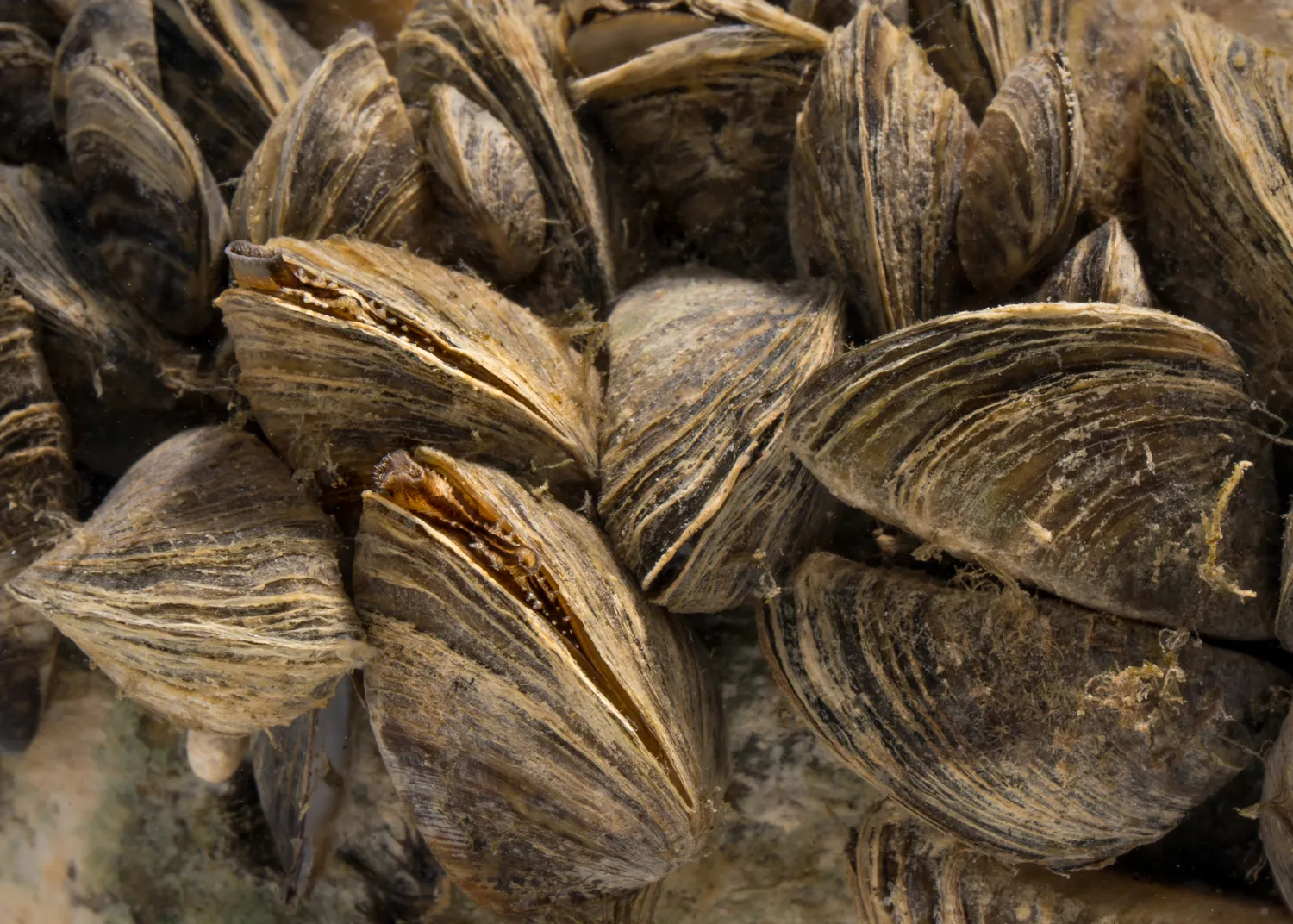
Zebra mussels filter enormous amounts of water as they feed, removing microscopic plants and animals called plankton. Native fish and other organisms that depend on plankton for food face starvation. Zebra Mussels (Dreissena polymorpha) (52117258744) by USFWS Mountain Prairie / Wikimedia Commons
An introduced species is an organism that humans move from its natural habitat to a new location where it did not previously exist. When an introduced species spreads rapidly and harms its new environment, it becomes an invasive species. These organisms disrupt ecosystems by outcompeting native species, which are the plants and animals that naturally live in an area. Human activities such as international trade, travel, and the pet industry frequently transport species across continents and oceans, often with devastating ecological consequences.
Invasive species succeed in their new environments because they lack natural predators and competitors. In their original habitats, these organisms face many challenges that keep their populations in check. However, when humans introduce them to new locations, they often find abundant resources and few threats. This allows invasive species to reproduce quickly and spread throughout the ecosystem. They consume food that native species need, occupy critical habitats, and sometimes directly prey upon or infect native organisms. This intense competition often results in declining populations of native species.
The Burmese python provides a clear example of how an invasive species disrupts an ecosystem. These large snakes, native to Southeast Asia, were brought to Florida as pets. When owners released them into the wild, the pythons thrived in the warm, wet conditions of the Everglades. With no natural predators in Florida, python populations exploded. Scientists have documented dramatic declines in native mammal populations, including raccoons, opossums, and rabbits. Some species have decreased by more than 90 percent in areas with high python populations. This demonstrates how a single invasive species can devastate multiple native populations.
Invasive species also trigger cascading effects throughout food webs. A food web shows how energy and nutrients flow through an ecosystem as organisms eat and are eaten by other organisms. When an invasive species removes or reduces one population, the effects ripple through the entire web. In the Everglades, as pythons consume native mammals, predators that depend on those mammals for food also suffer. Birds of prey like hawks and owls have fewer prey animals to hunt. This chain reaction affects organisms at multiple levels of the food web, fundamentally changing the ecosystem's structure.
Zebra mussels illustrate another way invasive species harm ecosystems. These small shellfish, native to Eastern Europe, arrived in North American waters through ballast water discharged from ships. Zebra mussels filter enormous amounts of water as they feed, removing microscopic plants and animals called plankton. Native fish and other organisms that depend on plankton for food face starvation. The mussels also attach to surfaces in huge numbers, clogging water pipes and covering native mussels until they cannot feed or breathe. This demonstrates how invasive species reduce biodiversity, which is the variety of different species living in an ecosystem.
The loss of biodiversity weakens ecosystems and makes them less resilient to environmental changes. Each species plays a specific role in its ecosystem, contributing to processes like nutrient cycling, pollination, and pest control. When invasive species eliminate native species, these important functions may be lost or disrupted. Ecosystems with high biodiversity can better withstand disturbances like droughts, diseases, or climate changes because multiple species can perform similar roles. However, when invasive species reduce the number of native species, the entire ecosystem becomes more vulnerable to collapse.
Preventing and controlling invasive species requires human action and awareness. People can help by never releasing pets or aquarium plants into the wild, cleaning boats and equipment when moving between water bodies, and reporting sightings of invasive species to local authorities. Scientists and resource managers work to remove invasive species and restore native populations, but prevention remains the most effective strategy. Understanding how introduced species disrupt ecosystems helps us recognize our responsibility to protect biodiversity and maintain healthy, balanced ecosystems.
Interesting Fact: A single zebra mussel can filter one liter of water per day, and a large colony can filter all the water in a small lake in just a few weeks, removing the plankton base of the entire food web.
Comprehension quiz (10 questions)
1. What is an invasive species?
2. Why do invasive species succeed in new environments?
3. According to the passage, what does the term 'competition' mean in an ecosystem?
4. What does 'biodiversity' refer to?
5. How did Burmese pythons arrive in the Florida Everglades?
6. What effect have Burmese pythons had on native mammal populations in the Everglades?
7. How do zebra mussels harm aquatic ecosystems?
8. What are cascading effects in a food web?
9. True or False: Ecosystems with high biodiversity are more resilient to environmental changes.
10. True or False: Invasive species always have natural predators in their new environments.
Perfect for the way you teach
- Build comprehension skills
- Auto-graded quiz
- Differentiated reading
- Read together at home
- Improve fluency
- Quiet reading time
- Reading curriculum support
- Independent practice
- Track Lexile growth