How Land Use Changes Earth's Surface
Interactive passage with audio narration, comprehension questions, and printable PDF.
By completing this purchase you agree to our Terms of Use and Privacy Policy. Your subscription renews automatically until you cancel. You can cancel anytime from your account settings. All sales are final and non-refundable. Digital content is available for download in your account immediately upon purchase.
What's included
How Land Use Changes Earth's Surface preview and details
About this printable How Land Use Changes Earth's Surface science reading passage, NGSS-aligned (Grades 6-8)
Sample passage and quiz from How Land Use Changes Earth's Surface
Reading passage and comprehension quiz preview
Land Use and Land Cover Change
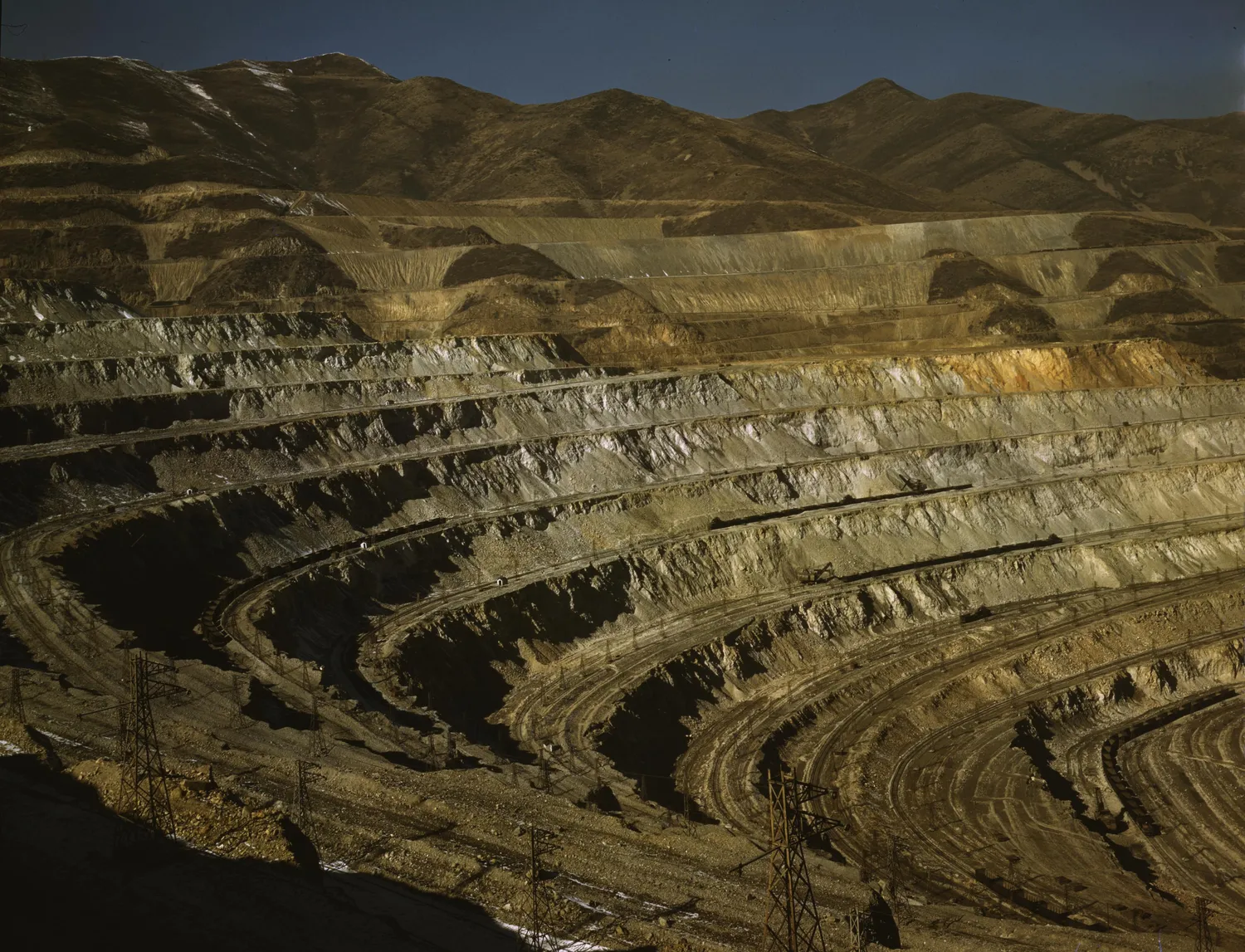
"Bingham Canyon mine illustrates intensive land use and landscape transformation." by Andreas Feininger / Wikimedia Commons.
Humans transform Earth's natural landscapes every day. Land use refers to how humans manage and modify land for specific purposes, such as farming, building cities, or establishing factories. Land cover describes the physical materials on Earth's surface, including forests, grasslands, water, and concrete. When humans change land use, they often dramatically alter land cover, converting natural ecosystems into human-dominated landscapes.
The conversion of natural lands follows predictable patterns worldwide. Forests are cleared for agriculture, with trees removed to create fields for crops or pastures for livestock. Wetlands are drained to build homes and shopping centers, eliminating natural water storage areas. Grasslands are plowed under to plant wheat, corn, or soybeans. These transformations have accelerated dramatically over the past two centuries. Today, humans have modified approximately 75% of Earth's ice-free land surface, fundamentally changing how natural systems function.
Land cover change disrupts the water cycle in multiple ways. Natural forests act like giant sponges, absorbing rainfall through their roots and releasing water slowly into streams and groundwater. When forests are cleared, rainwater runs off quickly across bare soil, causing flooding downstream and reducing groundwater recharge. Urban areas covered with pavement and buildings prevent water from soaking into the ground entirely. A single acre of forest can intercept and slowly release thousands of gallons of water, while that same acre paved over sends water rushing into storm drains within minutes.
Carbon storage capacity changes dramatically when land cover changes. Living forests store carbon in tree trunks, branches, roots, and soil. When forests are cleared, this stored carbon is released into the atmosphere as carbon dioxide. Agricultural lands store far less carbon than the forests they replace. Globally, land use change contributes approximately 10-15% of human-caused carbon dioxide emissions. Protecting existing forests and restoring degraded lands can help remove carbon from the atmosphere and slow climate change.
Surface albedo, or reflectivity, changes when natural land cover is replaced. Dark forests absorb most incoming sunlight, while lighter-colored croplands and urban surfaces reflect more sunlight back to space. These albedo changes affect local and regional temperatures. Cities also create urban heat islands, where temperatures can be 5-10°F warmer than surrounding rural areas due to heat-absorbing pavement and buildings combined with reduced vegetation.
Biodiversity declines sharply when natural habitats are converted to human uses. A tropical rainforest might support thousands of plant and animal species, while the soybean field that replaces it supports only a handful. Wetland drainage eliminates habitat for fish, amphibians, and waterfowl. Habitat fragmentation occurs when large natural areas are divided into smaller patches by roads and development, making it difficult for wildlife to find food, mates, and shelter. Scientists estimate that habitat loss from land use change is the primary threat to approximately 85% of endangered species.
Understanding land use and land cover change helps us make better decisions about managing Earth's resources. While humans need land for food production and living space, we can minimize negative impacts through careful planning. Strategies include protecting remaining natural areas, restoring degraded ecosystems, designing cities with more green spaces, and practicing sustainable agriculture that maintains soil health and carbon storage.
Interesting Fact: Satellite data shows that Earth loses a forest area the size of a soccer field every single second due to land use change, but reforestation efforts are also increasing in many regions.
Comprehension quiz (10 questions)
1. What does land cover describe?
2. Approximately what percentage of Earth's ice-free land surface has been modified by humans?
3. What does albedo measure?
4. According to the passage, what happens when wetlands are drained?
5. How does deforestation affect carbon storage?
6. What is habitat fragmentation?
7. How much warmer can urban heat islands be compared to surrounding rural areas?
8. What percentage of human-caused carbon dioxide emissions comes from land use change globally?
9. Natural forests absorb rainfall and release water slowly into streams and groundwater.
10. Agricultural lands store more carbon than the forests they replace.
Perfect for the way you teach
- Build comprehension skills
- Auto-graded quiz
- Differentiated reading
- Read together at home
- Improve fluency
- Quiet reading time
- Reading curriculum support
- Independent practice
- Track Lexile growth