How Pollution Affects Oceans and Groundwater
Interactive passage with audio narration, comprehension questions, and printable PDF.
By completing this purchase you agree to our Terms of Use and Privacy Policy. Your subscription renews automatically until you cancel. You can cancel anytime from your account settings. All sales are final and non-refundable. Digital content is available for download in your account immediately upon purchase.
What's included
How Pollution Affects Oceans and Groundwater preview and details
About this printable How Pollution Affects Oceans and Groundwater science reading passage, NGSS-aligned (Grades 6-8)
Sample passage and quiz from How Pollution Affects Oceans and Groundwater
Reading passage and comprehension quiz preview
How Pollution Affects Oceans and Groundwater
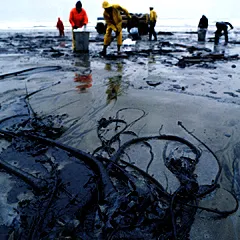
Oil creates a thick coating that prevents oxygen from entering the water, suffocating fish and other marine life.. Oil-spill by US Gov NOAA / Wikimedia Commons
Water covers more than 70 percent of Earth's surface, and underground water sources called aquifers provide drinking water for billions of people. However, human activities are polluting both ocean water and groundwater at alarming rates. Understanding how different types of pollution harm these water systems is essential for protecting Earth's most vital resource.
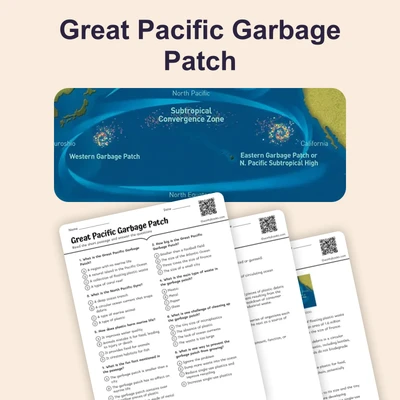
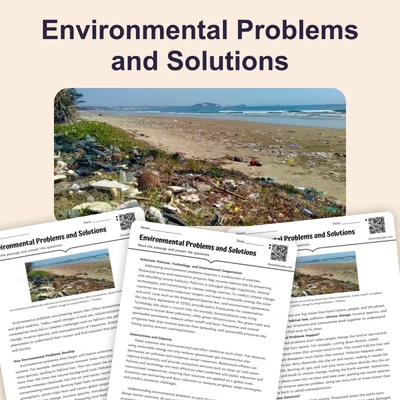
Ocean pollution comes from many sources, but plastic waste has become one of the most serious problems. Every year, approximately eight million tons of plastic enter the oceans from coastal areas. This plastic breaks down into smaller pieces called microplastics, which are tiny fragments less than five millimeters long. Marine animals often mistake microplastics for food, and when they eat these particles, the plastic can block their digestive systems or release toxic chemicals into their bodies. Sea turtles, for example, frequently consume plastic bags thinking they are jellyfish. As plastic accumulates in the ocean, it forms massive garbage patches and disrupts entire food chains from plankton to whales.
Oil spills represent another major threat to ocean ecosystems. When tanker ships leak or offshore drilling platforms fail, millions of gallons of crude oil can spread across the water's surface. Oil creates a thick coating that prevents oxygen from entering the water, suffocating fish and other marine life. Birds that land on oil-covered water lose the ability to fly when their feathers become coated. The oil also damages the insulating properties of bird feathers and marine mammal fur, causing animals to die from hypothermia. Even after cleanup efforts, oil can persist in ocean sediments for decades, continuing to harm bottom-dwelling organisms.
Two additional forms of ocean pollution are sediment runoff and thermal pollution. Sediment runoff occurs when soil from construction sites, farms, or deforested areas washes into rivers and eventually reaches the ocean. Excessive sediment makes water cloudy, blocking sunlight that underwater plants need for photosynthesis. Thermal pollution happens when power plants and factories discharge heated water into oceans or rivers. Many organisms can only survive within specific temperature ranges, so even a few degrees of warming can kill sensitive species like coral. Warmer water also holds less dissolved oxygen, creating conditions where fish and other animals cannot breathe properly.
Groundwater pollution poses equally serious risks to human health and ecosystems. Aquifers are underground layers of rock and sediment that hold water, and they supply drinking water to approximately two billion people worldwide. Industrial facilities sometimes leak chemicals like benzene and trichloroethylene into the soil, where these contaminants slowly seep downward through layers of earth until they reach aquifers. Once pollutants enter groundwater, they can remain there for decades or even centuries because underground water moves very slowly and has few natural purification processes.
Agricultural activities contribute significantly to groundwater contamination through the use of fertilizers and pesticides. When farmers apply nitrogen-based fertilizers to crops, rain washes excess nitrates through the soil and into aquifers below. High nitrate levels in drinking water can cause serious health problems, especially for infants. Pesticides designed to kill insects and weeds also infiltrate groundwater systems. These chemicals can disrupt hormone systems in humans and wildlife even at very low concentrations. Additionally, livestock operations produce waste that contains bacteria and nutrients, which can contaminate nearby wells and aquifers if not properly managed.
Protecting water resources requires understanding the connections between human activities and water quality. The same water that flows through oceans, rivers, and underground aquifers cycles through Earth's systems repeatedly. Pollution in one part of the water cycle eventually affects other parts. By recognizing how plastic waste, oil spills, industrial chemicals, and agricultural runoff degrade water quality, people can make informed decisions to reduce pollution and protect the water that all life depends on.
Interesting Fact: The Great Pacific Garbage Patch, a massive collection of floating plastic debris, covers an area roughly twice the size of Texas and contains an estimated 1.8 trillion pieces of plastic.
Comprehension quiz (10 questions)
1. What are aquifers?
2. How much plastic enters the oceans from coastal areas each year?
3. What are microplastics?
4. Why do oil spills harm marine birds?
5. How does sediment runoff affect underwater plants?
6. Why does thermal pollution reduce oxygen levels in water?
7. How do agricultural fertilizers contaminate groundwater?
8. Why is groundwater pollution difficult to clean up?
9. True or False: Sea turtles often eat plastic bags because they mistake them for jellyfish.
10. True or False: Once oil is cleaned from the ocean surface, it no longer harms marine ecosystems.
Perfect for the way you teach
- Build comprehension skills
- Auto-graded quiz
- Differentiated reading
- Read together at home
- Improve fluency
- Quiet reading time
- Reading curriculum support
- Independent practice
- Track Lexile growth