How Do Smog and Acid Rain Affect Living Things
Interactive passage with audio narration, comprehension questions, and printable PDF.
By completing this purchase you agree to our Terms of Use and Privacy Policy. Your subscription renews automatically until you cancel. You can cancel anytime from your account settings. All sales are final and non-refundable. Digital content is available for download in your account immediately upon purchase.
What's included
How Do Smog and Acid Rain Affect Living Things preview and details
About this printable How Do Smog and Acid Rain Affect Living Things science reading passage, NGSS-aligned (Grades 6-8)
Sample passage and quiz from How Do Smog and Acid Rain Affect Living Things
Reading passage and comprehension quiz preview
How Smog and Acid Rain Affect Life
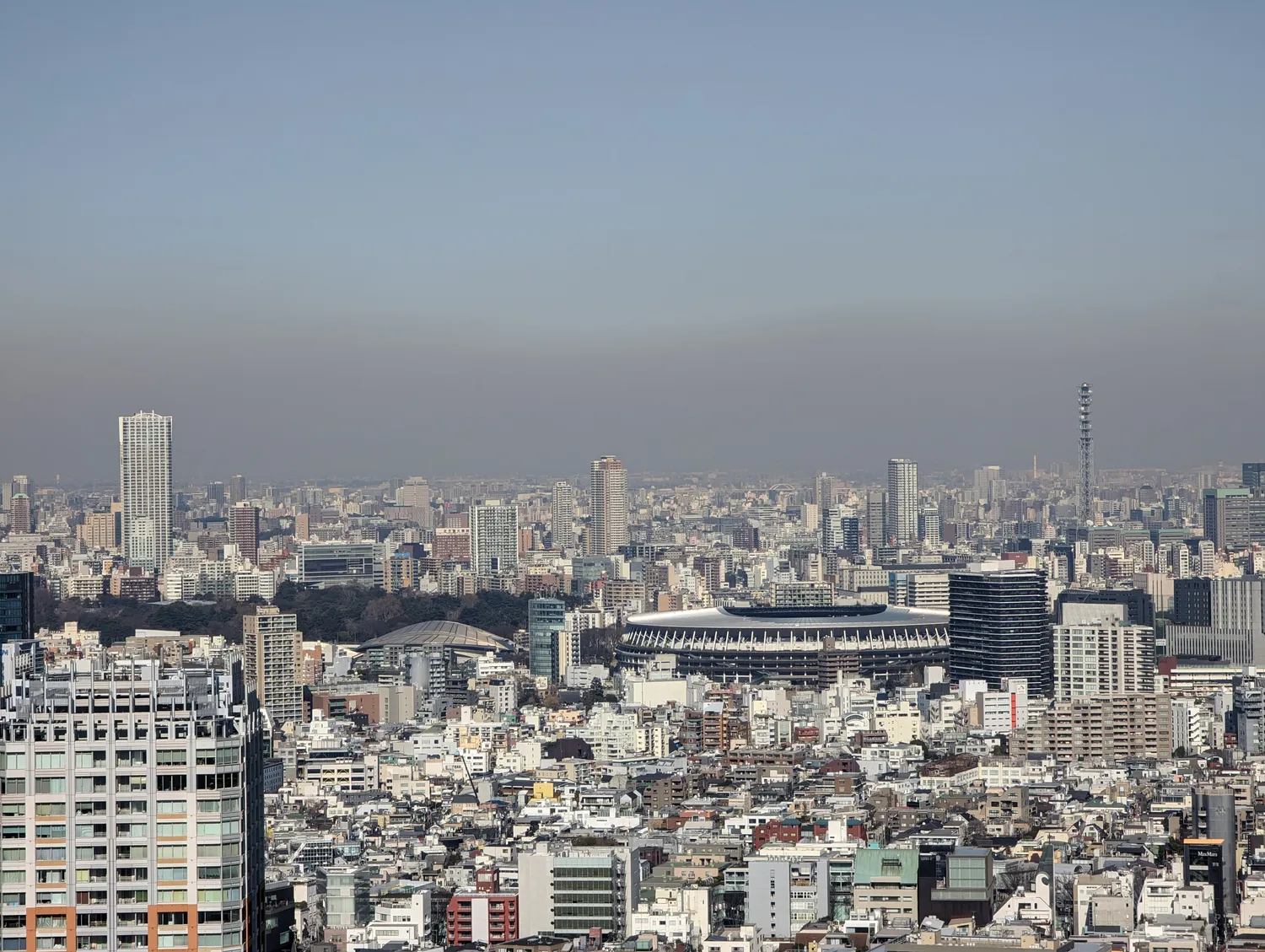
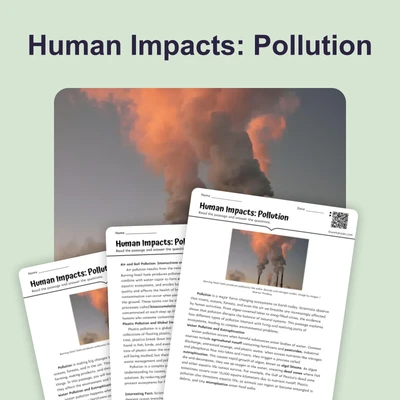
Smog is a type of air pollution that forms when certain chemicals react in the presence of sunlight..Smog over central Tokyo" by Syced / Wikimedia Commons
Air pollution from burning fossil fuels creates two serious environmental problems: smog and acid rain. Both result from chemicals released into the atmosphere when we burn coal, oil, and gasoline in power plants, factories, and vehicles. These pollutants harm human health, damage ecosystems, and even destroy buildings and monuments.
Smog is a type of air pollution that forms when certain chemicals react in the presence of sunlight. The word combines "smoke" and "fog," but modern smog is more complex than either. Two main components create smog: ground-level ozone and particulates. Ground-level ozone forms when nitrogen oxides and volatile organic compounds react with sunlight. This is different from the protective ozone layer high in the atmosphere. Particulates are tiny solid or liquid particles suspended in the air, including soot, dust, and chemical droplets. On hot, sunny days with little wind, these pollutants accumulate near the ground, creating a brownish haze that blankets cities.
Smog damages human respiratory systems in several ways. Ground-level ozone irritates the airways, causing coughing, throat irritation, and chest pain. It reduces lung function and makes breathing difficult, especially for people with asthma or other respiratory conditions. Particulates are even more dangerous because they are small enough to penetrate deep into the lungs. Fine particulates can enter the bloodstream, contributing to heart disease, lung cancer, and premature death. Children, elderly people, and those with existing health problems face the greatest risks. Cities with heavy traffic and industrial activity, such as Los Angeles and Beijing, frequently issue smog alerts warning residents to stay indoors.
Acid rain forms through a different chemical process. When power plants and factories burn fossil fuels, they release sulfur dioxide and nitrogen oxides into the atmosphere. These gases rise into the air and combine with water vapor, oxygen, and other chemicals to form sulfuric acid and nitric acid. These acids dissolve in cloud droplets, making the water acidic. When precipitation falls, it carries these acids to Earth's surface. Normal rain is slightly acidic with a pH around 5.6, but acid rain can have a pH as low as 4.0 or even 3.0, similar to vinegar.
Acid rain causes widespread environmental damage. In forests, it leaches essential nutrients like calcium and magnesium from soil, weakening trees and making them vulnerable to disease, insects, and cold weather. The acids also release toxic aluminum from soil particles, which damages tree roots. In aquatic ecosystems, acid rain lowers the pH of lakes and streams. Many fish species cannot survive in acidic water, and their eggs fail to hatch. Entire food webs collapse as sensitive species disappear. The Adirondack Mountains in New York contain hundreds of lakes that are now too acidic to support fish populations. Acid rain also accelerates the deterioration of buildings, monuments, and statues made from limestone and marble, which dissolve when exposed to acid.
Both smog and acid rain demonstrate how human activities affect natural systems. The pollutants that cause these problems can travel hundreds of miles from their sources. Emissions from coal-burning power plants in the Midwest create acid rain in New England and eastern Canada. This means that solving air pollution requires cooperation across cities, states, and even countries. Regulations like the Clean Air Act have reduced emissions in the United States, leading to improvements in air quality and decreased acid rain. However, rapid industrialization in developing nations continues to increase global air pollution levels.
Interesting Fact: The term "acid rain" was coined in 1872 by Scottish chemist Robert Angus Smith, who studied air pollution in Manchester, England, more than 140 years before scientists fully understood its environmental impacts.
Comprehension quiz (10 questions)
1. What are the two main components that create smog?
2. How does ground-level ozone form?
3. What does the term 'particulates' mean in the context of air pollution?
4. According to the passage, what pH level can acid rain reach?
5. Why are particulates especially dangerous to human health?
6. How does acid rain damage forests?
7. What happens to fish populations in lakes affected by acid rain?
8. According to the passage, pollution from one region can create acid rain in distant areas hundreds of miles away.
9. The passage states that smog only affects people who already have respiratory problems like asthma.
10. What is the main reason that solving air pollution requires cooperation across different regions and countries?
Perfect for the way you teach
- Build comprehension skills
- Auto-graded quiz
- Differentiated reading
- Read together at home
- Improve fluency
- Quiet reading time
- Reading curriculum support
- Independent practice
- Track Lexile growth