How Technology and Communities Reduce Pollution
Interactive passage with audio narration, comprehension questions, and printable PDF.
By completing this purchase you agree to our Terms of Use and Privacy Policy. Your subscription renews automatically until you cancel. You can cancel anytime from your account settings. All sales are final and non-refundable. Digital content is available for download in your account immediately upon purchase.
What's included
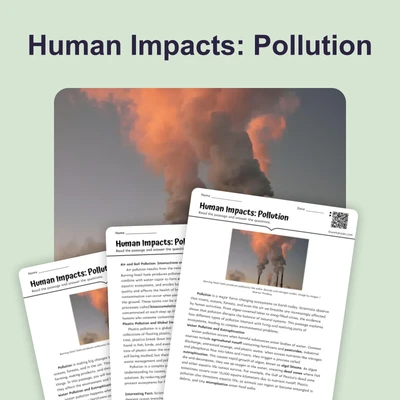
How Technology and Communities Reduce Pollution preview and details
About this printable How Technology and Communities Reduce Pollution science reading passage, NGSS-aligned (Grades 6-8)
Sample passage and quiz from How Technology and Communities Reduce Pollution
Reading passage and comprehension quiz preview
How Technology and Communities Reduce Pollution
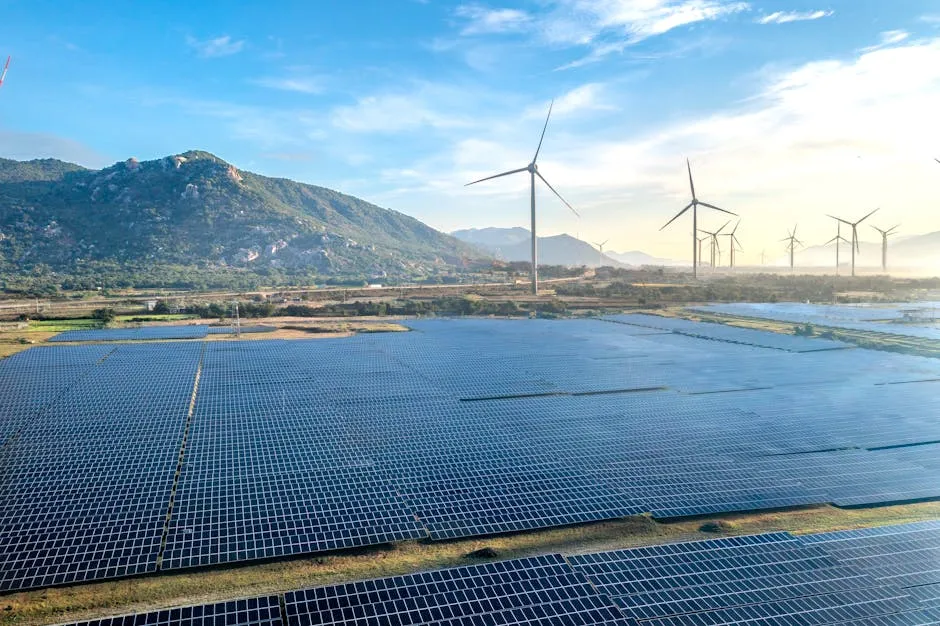
"Solar panels and wind turbines demonstrate sustainable, clean energy generation." Image by Quang Nguyen Vinh / Pexels.
Pollution harms air, water, and land systems that all living things depend on. Pollution is the introduction of harmful substances into the environment. For decades, human activities like burning fossil fuels, manufacturing goods, and disposing of waste have released pollutants that damage ecosystems and human health. Today, scientists and engineers have developed technologies and strategies that reduce pollution while still allowing communities to grow and prosper. This approach is called decoupling, which means separating economic development from environmental harm.
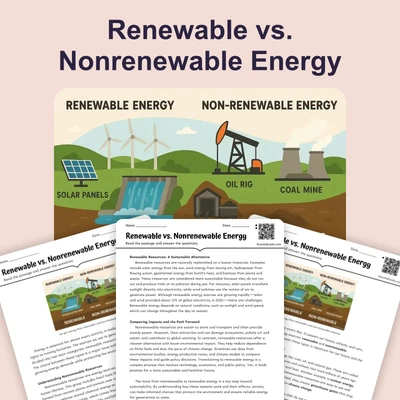
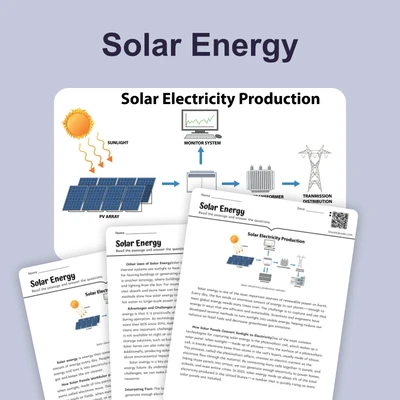
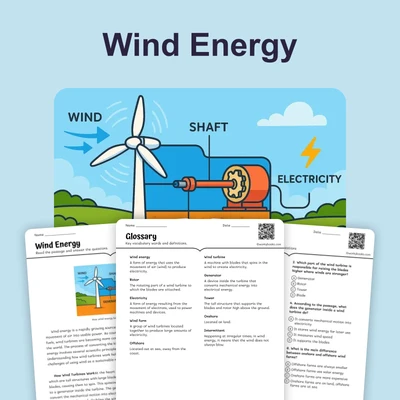
Clean energy technology reduces air pollution by replacing fossil fuels with renewable energy sources. Solar panels convert sunlight into electricity without burning coal or natural gas. Wind turbines generate power without releasing carbon dioxide or other pollutants. These technologies produce the energy communities need while keeping the air clean. For example, a school that installs solar panels on its roof can power classrooms and computers without contributing to smog or acid rain. As clean energy becomes more affordable and efficient, more communities are switching from polluting power plants to renewable sources.
Emission controls are devices and systems that reduce pollutants released from vehicles and factories. Catalytic converters in cars change harmful exhaust gases into less dangerous substances before they enter the atmosphere. Factory smokestacks use scrubbers, which are devices that remove pollutants from smoke before it is released. These technologies allow transportation and manufacturing to continue while dramatically reducing air pollution. Cities that require emission controls have seen significant improvements in air quality, with fewer days of unhealthy smog and lower rates of respiratory illness.
Green infrastructure uses natural systems to manage water pollution and reduce runoff. Rain gardens are shallow planted areas that absorb stormwater and filter out pollutants before water reaches streams and rivers. Permeable pavement allows rainwater to soak into the ground instead of running off into storm drains carrying oil, fertilizers, and trash. Constructed wetlands act as natural filters that clean polluted water. These nature-based solutions reduce water pollution while also providing habitat for wildlife and green spaces for communities. A neighborhood with rain gardens and permeable parking lots sends much cleaner water to local waterways than one with only concrete and asphalt.
Community-level policies create rules and incentives that encourage pollution reduction across entire cities and regions. Zoning laws can require new buildings to include green roofs or rain gardens. Recycling programs reduce land pollution by keeping waste out of landfills. Some communities offer tax breaks to homeowners who install solar panels or businesses that reduce their emissions. Public transportation systems reduce air pollution by decreasing the number of individual cars on roads. When communities work together through local government, they can make changes that no single person or business could achieve alone.
These technological and community solutions demonstrate that human development does not have to harm the environment. By investing in clean energy, emission controls, green infrastructure, and smart policies, communities can continue to grow while actually improving air, water, and land quality. The key is making pollution reduction a priority in planning and decision-making. When engineers design new technologies and communities adopt supportive policies, they create a future where economic prosperity and environmental health support each other rather than compete.
Interesting Fact: Copenhagen, Denmark, has reduced its carbon emissions by 42% since 2005 while its economy grew by 58%, proving that cities can prosper while dramatically cutting pollution.
Comprehension quiz (10 questions)
1. What is pollution?
2. Which of the following is an example of clean energy technology?
3. What does the term 'decoupling' mean in the context of this passage?
4. How do catalytic converters help reduce pollution?
5. What is the main purpose of green infrastructure?
6. According to the passage, why might a community offer tax breaks to homeowners who install solar panels?
7. How does permeable pavement differ from regular pavement?
8. What evidence does the passage provide that communities can grow while reducing pollution?
9. True or False: Emission controls allow transportation and manufacturing to continue while dramatically reducing air pollution.
10. True or False: According to the passage, only individual actions can reduce pollution effectively, not community-level policies.
Perfect for the way you teach
- Build comprehension skills
- Auto-graded quiz
- Differentiated reading
- Read together at home
- Improve fluency
- Quiet reading time
- Reading curriculum support
- Independent practice
- Track Lexile growth