How Does Urban Growth Change the Land
Interactive passage with audio narration, comprehension questions, and printable PDF.
By completing this purchase you agree to our Terms of Use and Privacy Policy. Your subscription renews automatically until you cancel. You can cancel anytime from your account settings. All sales are final and non-refundable. Digital content is available for download in your account immediately upon purchase.
What's included
How Does Urban Growth Change the Land preview and details
About this printable How Does Urban Growth Change the Land science reading passage, NGSS-aligned (Grades 6-8)
Sample passage and quiz from How Does Urban Growth Change the Land
Reading passage and comprehension quiz preview
How Urban Growth Affects Land
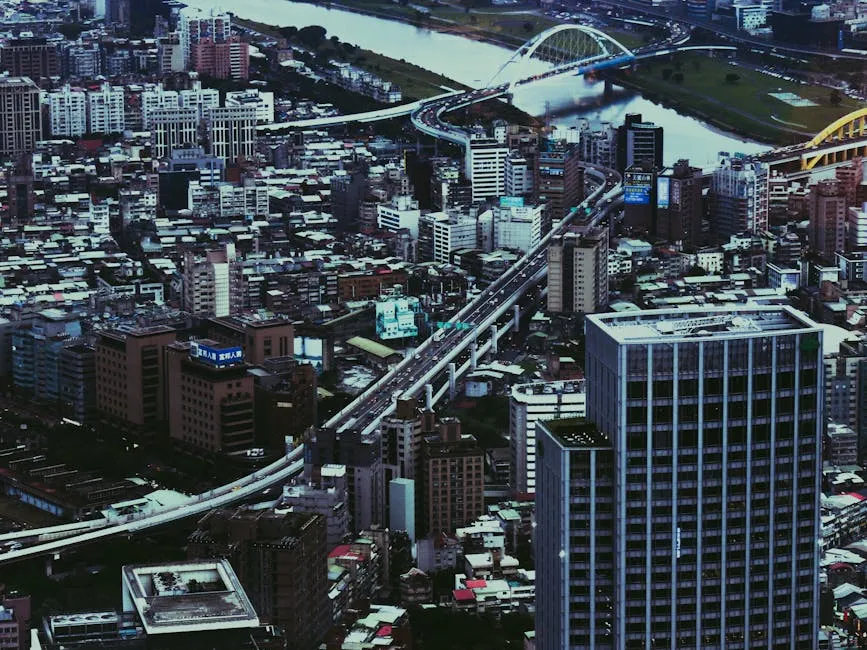
Urbanization is the process of building cities and towns on land that was once natural. As human populations grow, cities expand outward, replacing forests, grasslands, and wetlands with roads, parking lots, and buildings. This transformation changes the land in ways that affect water, wildlife, and local climate patterns.
Natural land surfaces are permeable, which means water can soak through them into the ground below. When rain falls on a forest floor or grassy field, the water slowly filters down through soil layers. This process is called infiltration. Infiltration allows water to refill underground water supplies called aquifers, and it filters out pollutants as water moves through soil particles. Plants and soil organisms depend on this water for survival.
Urban development replaces permeable surfaces with impervious materials like concrete, asphalt, and rooftops. These surfaces do not allow water to soak through. Instead, rainwater flows across these hard surfaces as runoff. During heavy rainstorms, this runoff moves quickly into storm drains and streams, carrying pollutants like oil, fertilizers, and trash directly into waterways. Cities with large areas of impervious surfaces experience more flooding because water cannot infiltrate the ground. For example, a parking lot might produce sixteen times more runoff than a meadow of the same size.
The loss of permeable land also reduces biodiversity, which is the variety of living organisms in an area. When cities expand, they destroy natural habitats where plants and animals live. A forest that once supported hundreds of species might become a neighborhood with only a few types of birds and insects. Wildlife corridors get fragmented, making it difficult for animals to find food, water, and mates. This habitat loss is a major reason why many species struggle to survive near urban areas.
Cities also create heat islands, which are urban areas that become significantly warmer than surrounding rural regions. Dark pavement and building materials absorb sunlight and release heat, while the lack of trees means less shade and cooling from plant transpiration. On a summer day, a city center might be ten degrees Fahrenheit warmer than nearby countryside. Heat islands affect local weather patterns, increase energy costs for air conditioning, and create health risks during heat waves.
Urban growth changes local water cycles in multiple ways. Less infiltration means aquifers receive less recharge, potentially leading to water shortages. Stream flows become more extreme, with higher peaks during storms and lower flows during dry periods. The temperature of runoff from hot pavement can warm streams enough to harm fish and other aquatic life. These changes demonstrate how human activities can significantly alter natural Earth systems.
Interesting Fact: Scientists estimate that a single large tree can intercept over 1,000 gallons of rainwater per year through its leaves and roots, reducing runoff and helping recharge groundwater supplies.
Comprehension quiz (10 questions)
1. What does the term 'permeable' mean when describing natural land surfaces?
2. According to the passage, how much more runoff does a parking lot produce compared to a meadow of the same size?
3. What is the main reason cities experience more flooding than natural areas?
4. Which of the following is an example of how urbanization affects biodiversity?
5. What causes urban heat islands to form?
6. How does urbanization affect underground aquifers?
7. What happens to pollutants when rainwater becomes runoff in urban areas?
8. Why is the temperature of runoff from hot pavement a concern for aquatic life?
9. True or False: Infiltration allows water to filter out pollutants as it moves through soil particles.
10. True or False: A city center is typically cooler than the surrounding countryside on a summer day.
Perfect for the way you teach
- Build comprehension skills
- Auto-graded quiz
- Differentiated reading
- Read together at home
- Improve fluency
- Quiet reading time
- Reading curriculum support
- Independent practice
- Track Lexile growth