How Water Is Treated and Protected for Human Use
Interactive passage with audio narration, comprehension questions, and printable PDF.
By completing this purchase you agree to our Terms of Use and Privacy Policy. Your subscription renews automatically until you cancel. You can cancel anytime from your account settings. All sales are final and non-refundable. Digital content is available for download in your account immediately upon purchase.
What's included
How Water Is Treated and Protected for Human Use preview and details
About this printable How Water Is Treated and Protected for Human Use science reading passage, NGSS-aligned (Grades 6-8)
Sample passage and quiz from How Water Is Treated and Protected for Human Use
Reading passage and comprehension quiz preview
How Water Is Treated and Protected for Human Use
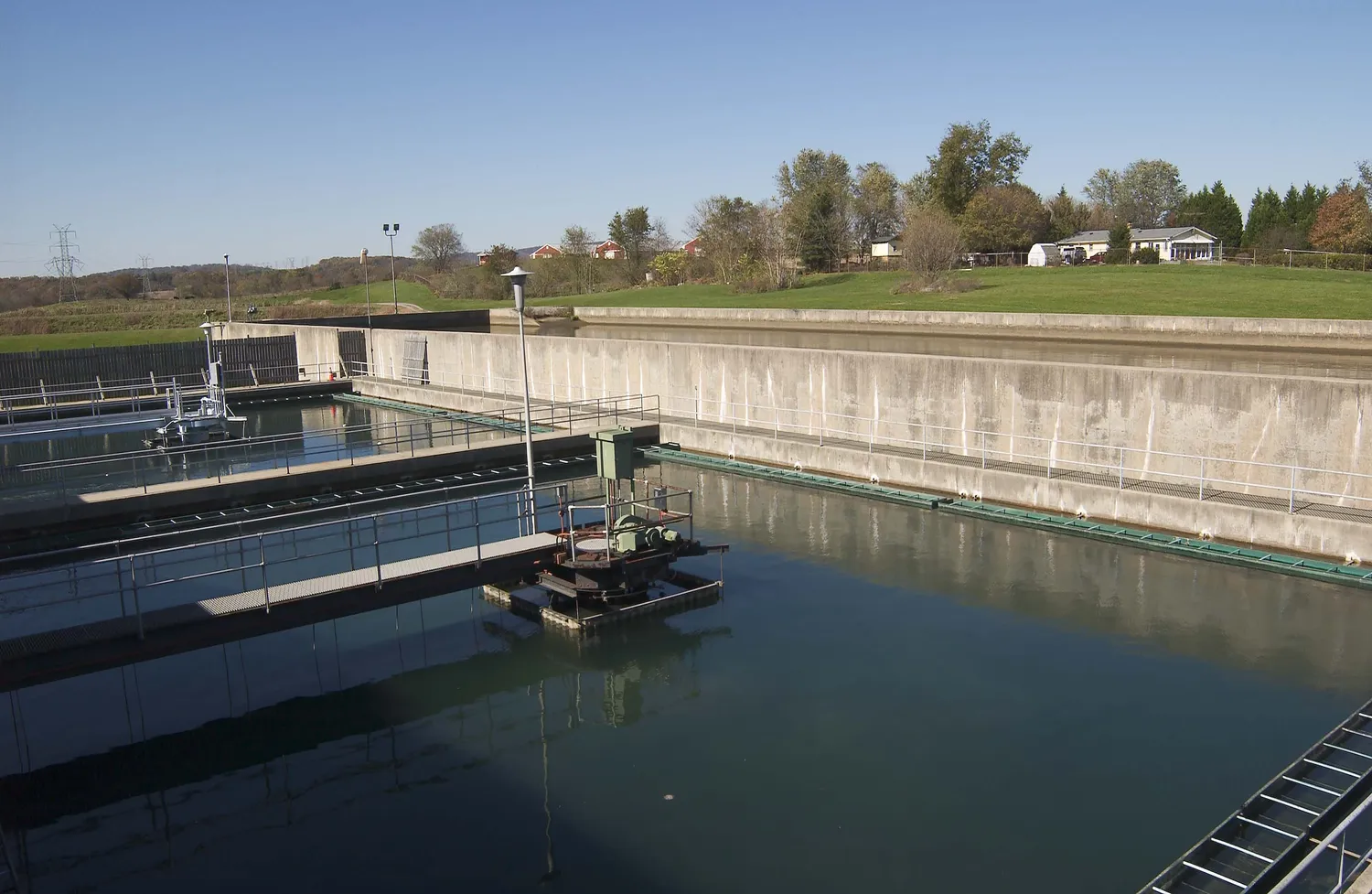
"The coagulation and filtration processes at a drinking water treatment plant. (14868618507)" by USEPA Environmental-Protection-Agency / Wikimedia Commons
Clean water is essential for human survival, but water from rivers, lakes, and underground sources often contains harmful substances. Contaminants such as bacteria, chemicals, dirt, and dissolved minerals can make water unsafe to drink. Water treatment plants use a series of processes to remove these contaminants and produce safe drinking water for communities. Understanding how these systems work helps us appreciate the technology that protects public health every day.
The first step in water treatment is coagulation, a chemical process that makes tiny particles stick together. Treatment plant workers add chemicals called coagulants, such as aluminum sulfate, to the water. These chemicals cause small particles of dirt, bacteria, and other materials to clump together into larger masses called floc. The water then moves to sedimentation tanks where gravity pulls the heavy floc to the bottom. This physical process, called sedimentation, removes much of the solid material from the water. The clearer water on top flows to the next treatment stage.
After sedimentation, water passes through filtration systems that remove remaining particles. Most treatment plants use layers of sand, gravel, and sometimes charcoal as filters. As water moves through these layers, smaller particles get trapped in the spaces between sand grains. Some treatment plants also use biological filtration, where beneficial bacteria living on the filter material break down organic contaminants. Filtration removes particles as small as one-thousandth of a millimeter, making the water much clearer and safer.
The final critical step is disinfection, which kills harmful microorganisms that can cause disease. Most water treatment plants add chlorine gas or chlorine compounds to the water. Chlorine is a powerful chemical that destroys bacteria, viruses, and parasites. Some plants use ultraviolet light or ozone gas instead of chlorine. These disinfection methods ensure that disease-causing organisms cannot survive in the drinking water. A small amount of chlorine often remains in the water as it travels through pipes to homes, providing continued protection against contamination.
Protecting water quality requires more than just treatment plants. Communities also prevent pollution through regulations that limit what industries and farms can release into waterways. The Clean Water Act, passed in 1972, made it illegal to discharge pollutants into water without permits. Cities use land use planning to keep pollution sources away from water supplies. For example, they create protected zones around reservoirs where certain activities are restricted. These prevention strategies are often more effective and less expensive than removing contaminants after they enter the water supply.
Water treatment and protection work together as a system. Treatment plants provide a final barrier against contaminants, while prevention efforts reduce the pollution that treatment plants must handle. Both approaches are necessary because no single method can address all water quality challenges. Engineers continue developing new treatment technologies, such as membrane filtration and advanced oxidation processes, to remove emerging contaminants like pharmaceuticals and microplastics. Meanwhile, communities strengthen protection efforts by monitoring water sources, updating regulations, and educating citizens about pollution prevention.
Interesting Fact: A single water treatment plant can process millions of gallons of water each day—enough to fill several Olympic-size swimming pools every hour—ensuring that entire cities have access to safe drinking water.
Comprehension quiz (10 questions)
1. What is the main purpose of water treatment plants?
2. During coagulation, what do coagulants cause small particles to do?
3. What does the term 'sedimentation' refer to in water treatment?
4. Which materials are commonly used in filtration systems at water treatment plants?
5. Why do water treatment plants add chlorine during disinfection?
6. Based on the passage, why are pollution prevention strategies often more effective than removing contaminants after they enter the water?
7. What can you infer about why a small amount of chlorine remains in water as it travels through pipes to homes?
8.
9. True or False: The Clean Water Act made it legal to discharge pollutants into water without permits.
10. True or False: Water treatment and water protection work together as a system to ensure safe drinking water.
Perfect for the way you teach
- Build comprehension skills
- Auto-graded quiz
- Differentiated reading
- Read together at home
- Improve fluency
- Quiet reading time
- Reading curriculum support
- Independent practice
- Track Lexile growth