Is Soil Just Dirt
Interactive passage with audio narration, comprehension questions, and printable PDF.
By completing this purchase you agree to our Terms of Use and Privacy Policy. Your subscription renews automatically until you cancel. You can cancel anytime from your account settings. All sales are final and non-refundable. Digital content is available for download in your account immediately upon purchase.
What's included
Is Soil Just Dirt preview and details
About this printable Is Soil Just Dirt science reading passage, NGSS-aligned (Grades 5-8)
Sample passage and quiz from Is Soil Just Dirt
Reading passage and comprehension quiz preview
Is Soil Just Dirt
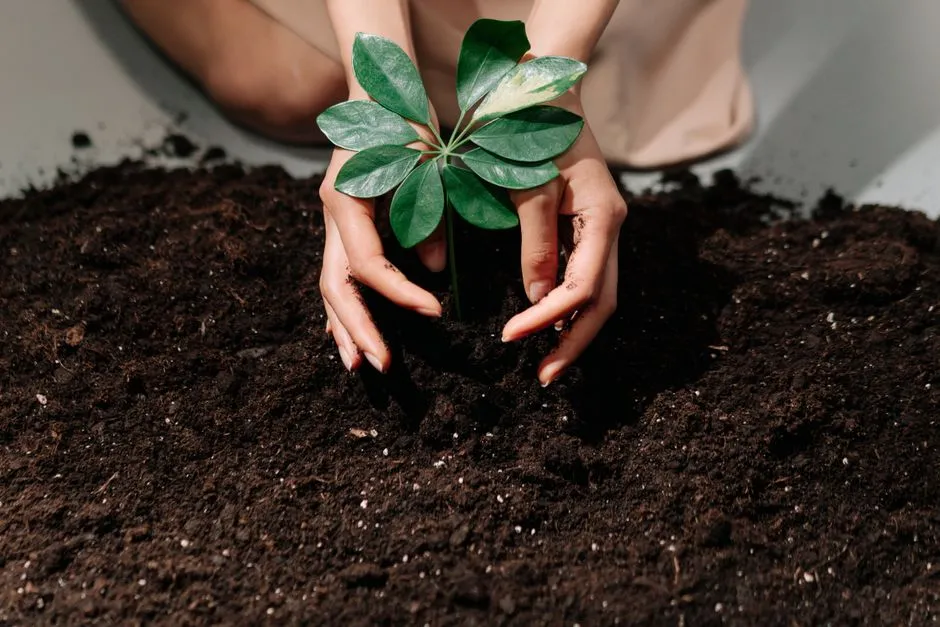
Soil is a complex, living mixture that contains several important ingredients working together.Image by Ron Lach / Pexels.
Many people use the words "soil" and "dirt" as if they mean the same thing. However, soil is far more than just dirt. Soil is a complex, living mixture that contains several important ingredients working together. Scientists explain that soil includes tiny particles of weathered rock, decayed plant and animal material, water, air, and billions of living organisms.
The mineral part of soil comes from weathering, the process that breaks down rocks into smaller pieces over time. These rock particles can range from large sand grains to tiny clay particles. Mixed with these mineral pieces is humus, the dark, nutrient-rich material formed when dead plants and animals decompose. Humus helps soil hold water and provides nutrients that plants need to grow. Between the solid particles are spaces filled with air and water. Plant roots need both to survive and grow.
What makes soil truly alive are the countless organisms living within it. A single handful of healthy soil may contain more living things than there are people on Earth. These organisms include earthworms that tunnel through soil and help mix its layers. Microscopic bacteria and fungi break down dead material and release nutrients back into the soil. Insects, mites, and other tiny creatures also play important roles in keeping soil healthy and productive.
Evidence shows that soil formation is an extremely slow process. It can take hundreds or even thousands of years for just a few inches of soil to form. The rate depends on factors such as climate, the type of rock being weathered, and the plants and animals present. In Iowa's farmland, for example, scientists estimate that the rich, dark soil took more than 10,000 years to develop. This thin layer covering Earth's land surface, often just a few feet deep, represents thousands of years of weathering and decomposition.
Soil is one of Earth's most valuable natural resources because it supports nearly all life on land. Plants grow in soil and use its nutrients and water. These plants, in turn, provide food and oxygen for animals and humans. The world's farms depend on healthy soil to grow the crops that feed billions of people. When soil erodes or loses its nutrients, it can take centuries to replace. Understanding that soil is a living, complex system helps us appreciate why protecting it matters so much for our future.
Interesting Fact: Scientists have identified more than 70,000 different types of soil in the United States alone. Each type has unique characteristics based on the rocks, climate, organisms, and time involved in its formation.
Comprehension quiz (10 questions)
1. What is the main difference between soil and dirt according to the passage?
2. Which process creates the mineral particles found in soil?
3. What is humus?
4. According to the passage, a single handful of healthy soil contains more living things than people on Earth.
5. How long can it take for just a few inches of soil to form?
6. What role do earthworms play in soil?
7. Why is soil considered one of Earth's most valuable resources?
8. Based on the passage, which factor does NOT affect how fast soil forms?
9. Soil formation is a fast process that takes only a few years.
10. What can you infer about why protecting soil is important for the future?
Perfect for the way you teach
- Build comprehension skills
- Auto-graded quiz
- Differentiated reading
- Read together at home
- Improve fluency
- Quiet reading time
- Reading curriculum support
- Independent practice
- Track Lexile growth