Raphael Paintings
Interactive passage with audio narration, comprehension questions, and printable PDF.
By completing this purchase you agree to our Terms of Use and Privacy Policy. Your subscription renews automatically until you cancel. You can cancel anytime from your account settings. All sales are final and non-refundable. Digital content is available for download in your account immediately upon purchase.
What's included
Raphael Paintings preview and details
About this printable Raphael Paintings reading passage (Grades 5-8)
Sample passage and quiz from Raphael Paintings
Reading passage and comprehension quiz preview
Raphael: Renaissance Artist
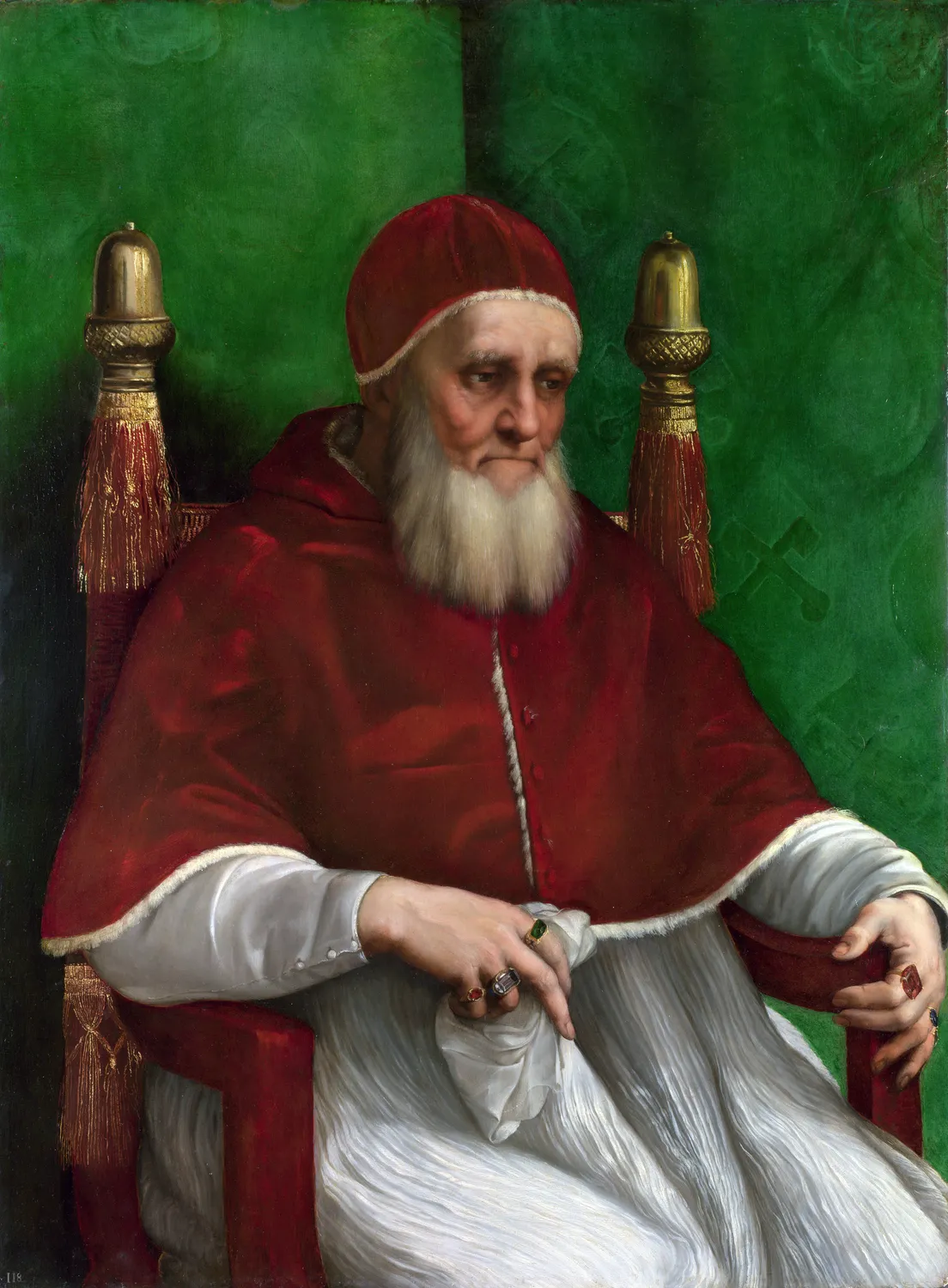
"Pope Julius II" by Raphael / Wikimedia Commons.
Raphael was one of the most celebrated painters of the Renaissance, a period of great cultural and artistic achievement in Europe from the 1300s to the 1600s. Born Raffaello Sanzio in 1483 in Urbino, Italy, Raphael became known for his beautiful paintings and his ability to blend the styles of other master artists. His works remain some of the most admired in the history of art.
As a young artist, Raphael learned by observing and studying the masterpieces of Leonardo da Vinci and Michelangelo. He traveled to Florence, a city at the heart of the Renaissance, where he closely examined Leonardo's techniques for creating lifelike figures and Michelangelo's powerful use of anatomy and movement. Raphael took inspiration from both, combining their strengths into his own unique style. One primary source, Giorgio Vasari's "Lives of the Artists" (1550), describes how Raphael was especially admired for his gentle character and skill in learning from others.
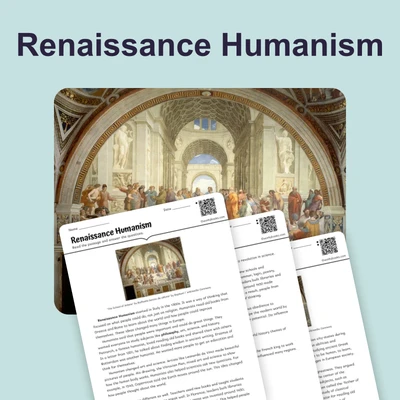
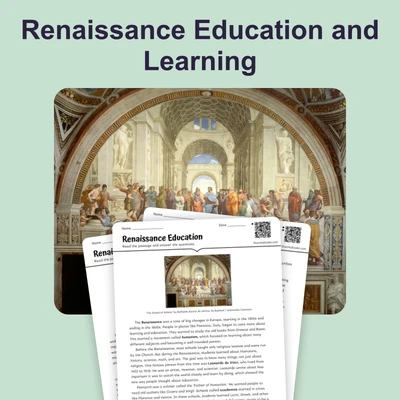
Raphael is especially famous for his paintings of the Madonna, or the Virgin Mary, often shown with the baby Jesus. These works, such as "The Sistine Madonna" (1512), were praised for their grace, harmony, and soft colors. Raphael also painted portraits of powerful leaders, including several popes like Pope Julius II. These portraits captured not just the appearance but also the character and dignity of his subjects. One of Raphael's greatest achievements was his work in the Vatican, where he painted large frescoes, including "The School of Athens" (1509–1511). This masterpiece shows ancient philosophers like Plato and Aristotle in a grand architectural setting, reflecting the Renaissance focus on classical knowledge and human potential.
Raphael played an important role in shaping the art of his time. In Rome, he led a large workshop, training many younger artists who would carry his style forward. Raphael's ability to bring together different artistic traditions made his work popular with both the church and wealthy patrons. His art represented the ideals of the Renaissance, emphasizing beauty, balance, and the dignity of humanity. Raphael's early death in 1520, at just 37 years old, shocked Italy and ended a brilliant career. Despite his short life, his influence continued through his students and the many artists who imitated his approach for centuries.
Raphael's legacy highlights the importance of learning from others and building on the achievements of the past. His life and art show how the Renaissance was a time of change, when artists experimented, shared ideas, and helped shape European culture. Raphael's story connects to broader themes of cultural exchange, the value of education, and the lasting impact individuals can have on history.
Interesting Fact: Raphael was so admired in his lifetime that he was buried in the Pantheon, Rome's ancient temple, a rare honor for an artist.
Comprehension quiz (8 questions)
1. Where was Raphael born?
2. Who influenced Raphael’s art style?
3. What is 'The School of Athens'?
4. Why did Raphael go to Florence?
5. How did Raphael influence art after his death?
6. What is a Madonna in art?
7. Raphael lived to be 60 years old.
8. What does 'legacy' mean?
Perfect for the way you teach
- Build comprehension skills
- Auto-graded quiz
- Differentiated reading
- Read together at home
- Improve fluency
- Quiet reading time
- Reading curriculum support
- Independent practice
- Track Lexile growth