This learning resource is available in interactive and printable formats. The interactive worksheet can be played online and assigned to students. The Printable PDF version can be downloaded and printed for completion by hand.
This Grade 4 science reading passage introduces students to the concept of reducing natural hazard impacts, aligned with NGSS standard 4-ESS3-2. Students learn that natural hazards like earthquakes, floods, and hurricanes pose risks to communities, but engineers and scientists have developed multiple solutions to reduce these impacts. The passage explains how stronger structures, early warning systems, careful location planning, and emergency preparedness all work together to protect people and property. Students discover that no single solution provides complete protection, but combining multiple approaches significantly reduces risk. The audio-integrated passage uses age-appropriate language and real-world examples to help fourth graders understand how human ingenuity addresses natural hazard challenges. Through reading comprehension activities, writing exercises, and graphic organizers, students explore the problem-solving process that professionals use to keep communities safer during natural disasters. This foundational understanding prepares students for hands-on investigations and collaborative discussions about hazard mitigation strategies.
CONTENT PREVIEW
Expand content preview
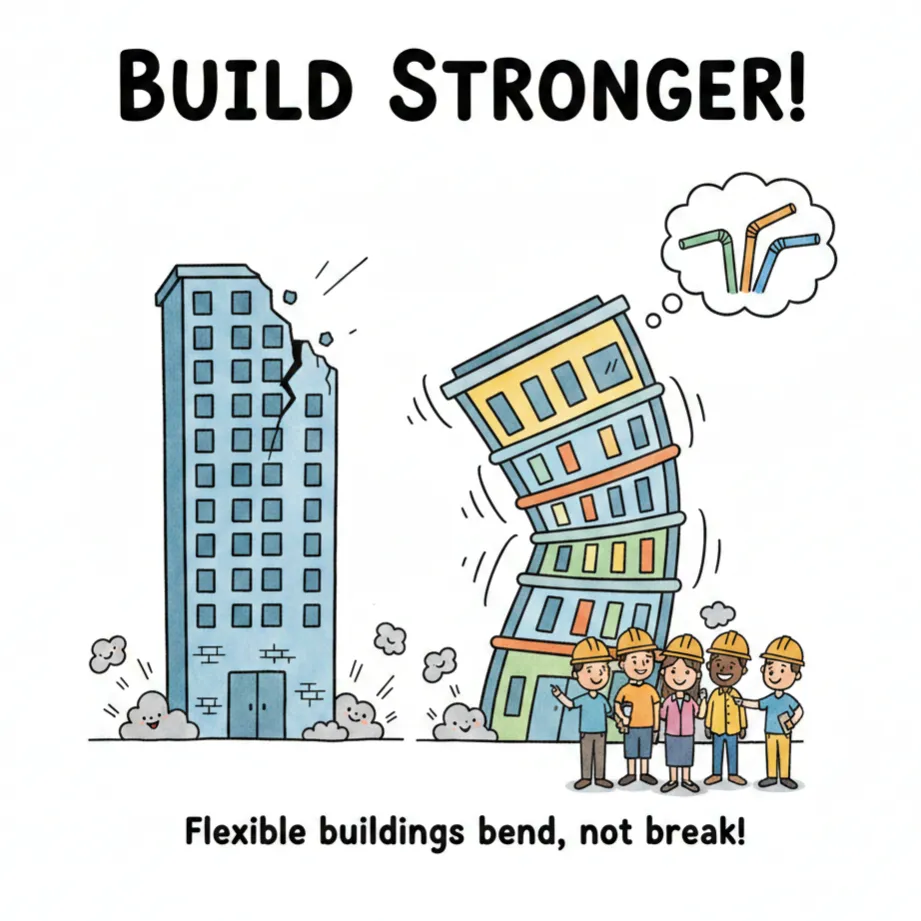
Flexible engineering helps buildings bend during earthquakes instead of breaking apart.
Natural hazards are events in nature that can cause damage to people and property. Earthquakes, floods, hurricanes, and tornadoes are all natural hazards. These events happen naturally, but we can take steps to reduce their harmful effects. Reducing hazard impacts means making these events less dangerous for people and communities.
There are many different ways to protect people from natural hazards. One important solution is building stronger structures. Engineers design buildings that can bend during earthquakes instead of breaking apart. They also create roofs that can withstand strong hurricane winds. Think of it like building with flexible straws instead of stiff ones—the flexible ones bend but don't snap.
Another solution is using warning systems. These systems alert people when a hazard is coming. Weather satellites can spot hurricanes days before they reach land. Sirens warn people about tornadoes. These warnings give people time to get to safety. Some communities also choose safer locations for buildings. They avoid building homes in flood zones or on steep hillsides where landslides can happen.
Communities also prepare emergency plans and supplies. Families keep food, water, and first aid kits ready. Schools practice evacuation drills. The best approach combines several solutions working together. No single solution protects people completely, but each one reduces the risk. Scientists and engineers are always working to find better ways to keep communities safe from natural hazards.
Interesting Fact: Japan has some of the strongest earthquake-resistant buildings in the world. Engineers there have designed skyscrapers that sit on giant rubber pads that absorb earthquake shaking, similar to how your shoes cushion your feet when you jump!
What are natural hazards?
Events in nature causing damageMan-made disasters onlyOnly earthquakes and floodsThings that never hurt people
How do engineers make buildings earthquake-safe?
They make them very tallThey design them to bendThey use only woodThey build them underground
What do warning systems provide people?
Free food and waterStronger buildingsTime to get to safetyProtection from all hazards
Why avoid building in flood zones?
It costs too much moneyIt reduces risk from floodingThere are no trees thereThe land is too flat
What should families keep in emergency?
Only toys and gamesFood, water, and first aidExtra furnitureComputers and phones only
How many solutions protect people completely?
All solutions work perfectlyOnly warning systems workNo single solution is perfectOnly strong buildings work
Natural hazards can be completely stopped.
TrueFalse
What does 'evacuate' mean in passage?
To clean up after disasterTo leave a dangerous placeTo build a stronger buildingTo predict the weather
Perfect For:
👩🏫 Teachers
• Reading comprehension practice
• Auto-graded assessments
• Literacy skill development
👨👩👧👦 Parents
• Reading practice at home
• Comprehension improvement
• Educational reading time
🏠 Homeschoolers
• Reading curriculum support
• Independent reading practice
• Progress monitoring
Reading Features:
📖
Reading Passage
Engaging fiction or nonfiction text
❓
Comprehension Quiz
Auto-graded questions
📊
Instant Feedback
Immediate results and scoring
📄
Printable Version
Download for offline reading
🔊
Read Aloud
Voice-over with word highlighting
Reviews & Ratings
No reviews yet. Be the first to share your experience!
Related Content
What Are Tsunamis
This Grade 4 science reading passage introduces students to tsunamis, aligning with NGSS standard 4-ESS3-2. Students lea...
NGSS 4-ESS3-2
How Tsunamis Affect People
This engaging 250-word reading passage introduces fourth-grade students to the devastating impacts of tsunamis on coasta...
NGSS 4-ESS3-2
What Are Avalanches
This engaging 250-word reading passage introduces fourth-grade students to avalanches and their impact on mountain commu...
NGSS 4-ESS3-2
Landslides
This engaging 350-word reading passage introduces Grade 4-5 students to landslides as powerful natural events where soil...
NGSS 4-ESS3-2
What Are Earthquakes
This engaging 250-word reading passage introduces fourth-grade students to the concept of earthquakes as natural hazards...
NGSS 4-ESS3-2
How Earthquakes Affect People
This 250-word informational reading passage introduces Grade 4 students to the ways earthquakes affect people and commun...
NGSS 4-ESS3-2ESS3.B
What Are Volcanoes
This engaging 250-word reading passage introduces fourth-grade students to volcanoes and volcanic activity, aligned with...
NGSS 4-ESS3-2
How Volcanoes Affect People
This 250-word reading passage introduces fourth-grade students to the ways volcanic eruptions affect people and communit...
NGSS 4-ESS3-2
What Are Weather Hazards
This Grade 4 science reading passage introduces students to weather hazards as part of the NGSS 4-ESS3-2 standard focusi...
NGSS 4-ESS3-2ESS3.B
What Are Tornadoes
This engaging Grade 4 science reading passage introduces students to tornadoes, one of nature's most powerful and danger...
NGSS 4-ESS3-2
What Are Hurricanes
This Grade 4 science reading passage introduces students to hurricanes and their impact on coastal communities, aligned ...
NGSS 4-ESS3-2
What Are Floods
This engaging 250-word reading passage introduces fourth-grade students to floods as natural hazards, aligned with NGSS ...
NGSS 4-ESS3-2
What Are Wildfires
This 250-word reading passage explains what wildfires are and introduces Grade 4 students to key concepts about these na...
NGSS 4-ESS3-2
What Are Droughts
This 250-word reading passage introduces fourth-grade students to the concept of droughts as defined in NGSS 4-ESS3-2. S...
NGSS 4-ESS3-2
What Are Natural Hazards
This audio-integrated reading passage introduces fourth-grade students to natural hazards as part of the NGSS 4-ESS3-2 s...
NGSS 4-ESS3-2ESS3.B
Why We Cannot Stop Natural Hazards
This 250-word reading passage introduces fourth-grade students to the concept that natural hazards are caused by natural...
NGSS 4-ESS3-2
How Buildings Resist Earthquakes
This 250-word reading passage introduces fourth-grade students to earthquake-resistant building design, aligned with NGS...
NGSS 4-ESS3-2
How Scientists Monitor Volcanoes
This engaging 250-word reading passage introduces fourth-grade students to the important work of volcano monitoring, ali...
NGSS 4-ESS3-2
How Tsunami Warnings Work
This engaging 250-word reading passage introduces fourth-grade students to tsunami warning systems and how they protect ...