The Age of Mammals Begins
Interactive passage with audio narration, comprehension questions, and printable PDF.
By completing this purchase you agree to our Terms of Use and Privacy Policy. Your subscription renews automatically until you cancel. You can cancel anytime from your account settings. All sales are final and non-refundable. Digital content is available for download in your account immediately upon purchase.
What's included
The Age of Mammals Begins preview and details
About this printable The Age of Mammals Begins science reading passage, NGSS-aligned (Grades 5-8)
Sample passage and quiz from The Age of Mammals Begins
Reading passage and comprehension quiz preview
How Did Mammals Take Over
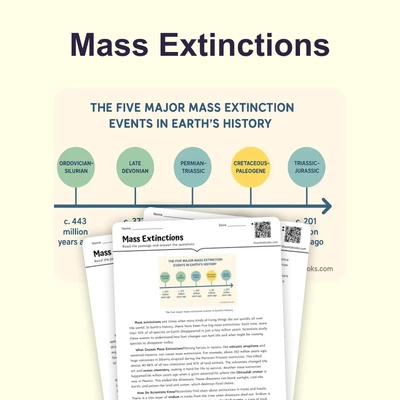
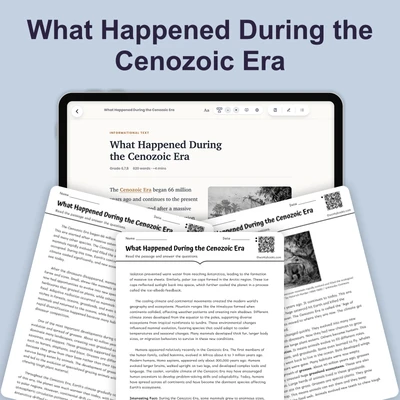
About 66 million years ago, an asteroid struck Earth and changed life forever. The impact killed the dinosaurs and many other species. However, small mammals survived by hiding underground in burrows. When they emerged, they found a world full of empty habitats and few predators. This created an opportunity that would transform Earth's ecosystems.
Before the asteroid impact, dinosaurs dominated most environments on land. Mammals existed but remained small, often no bigger than rats or squirrels. They lived in the shadows, hunting insects at night and staying hidden during the day. The asteroid changed everything. Evidence shows that the impact threw dust and debris into the atmosphere. Sunlight was blocked for months or years. Plants died, then plant-eating dinosaurs, and finally meat-eating dinosaurs. Mammals in underground burrows had protection from the immediate effects.
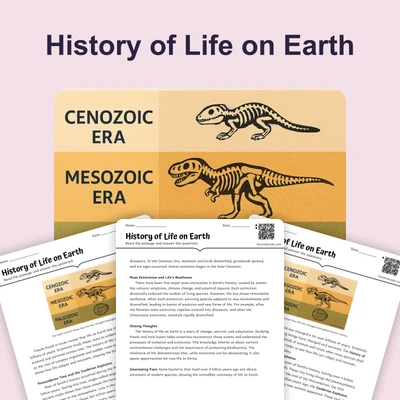
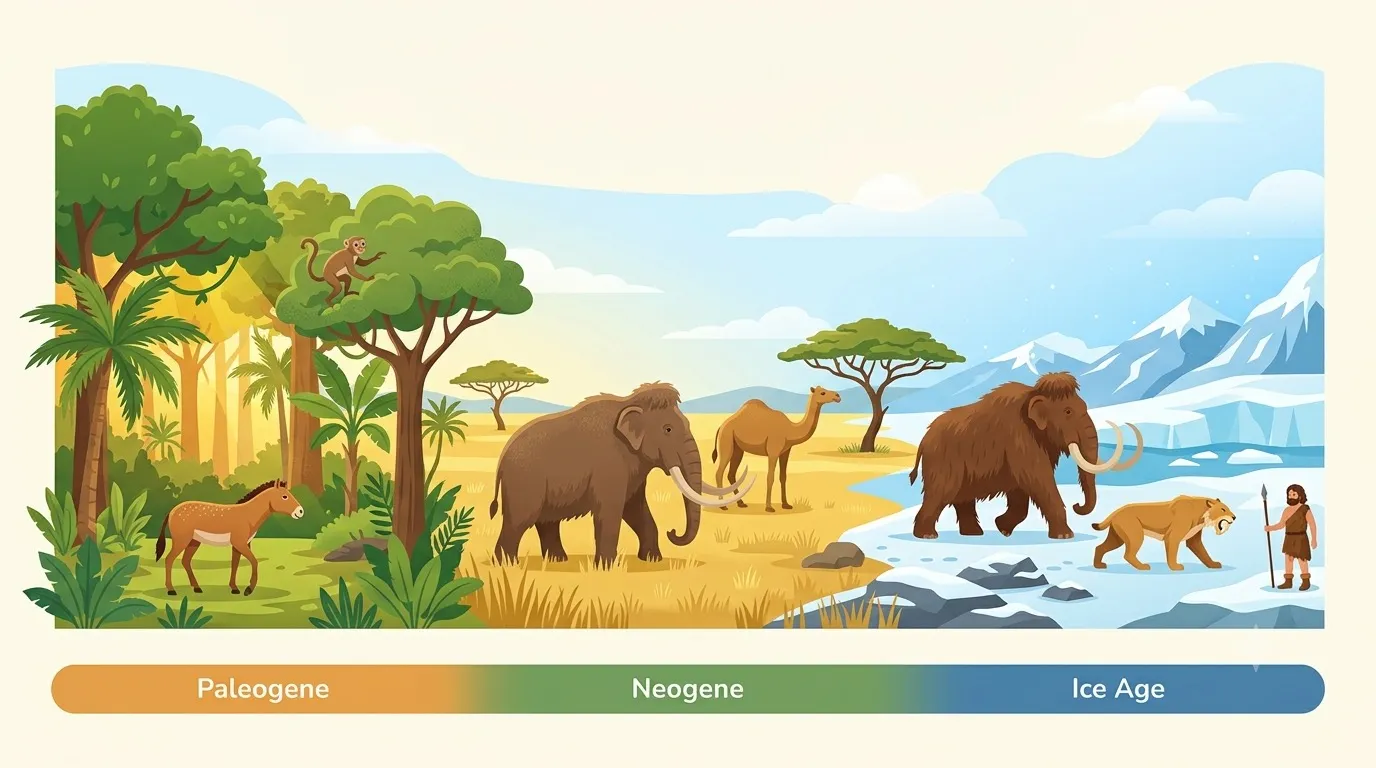
With dinosaurs gone, mammals faced open opportunities. Scientists call this process adaptive radiation. It occurs when species rapidly diversify to fill available ecological roles. Over millions of years during the Cenozoic Era, mammals evolved into thousands of different forms. Some became large grazers like elephants and horses. Others adapted to ocean life and became whales and dolphins. Bats developed wings for flight. Primates evolved complex brains and social behaviors.
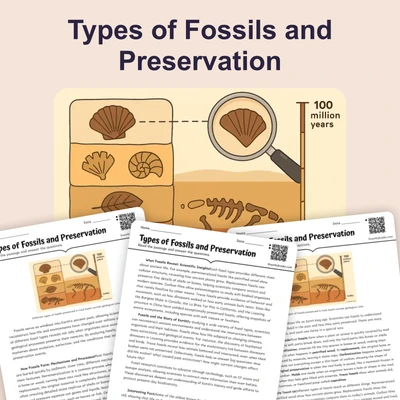
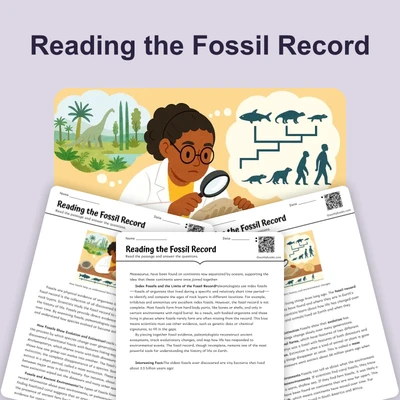
Fossil evidence supports this story of mammal diversification. Paleontologists have discovered fossils showing the transition from small, simple mammals to the diverse forms we see today. For example, early whale ancestors were land animals with legs. Over time, their bodies changed for swimming. Their front legs became flippers and their back legs disappeared. This transformation took about 10 million years.
The mammal takeover matters because it shaped the modern world. Mammals now occupy nearly every habitat on Earth. They live in oceans, deserts, forests, and polar regions. Humans are mammals too, and our evolution depended on the opportunities created after the dinosaur extinction. Understanding this history helps scientists predict how life might respond to future environmental changes.
Interesting Fact: The largest animal ever to exist on Earth is alive today—the blue whale, a mammal that can reach 100 feet long and weigh 200 tons, far larger than any dinosaur.
Comprehension quiz (10 questions)
1. What event caused the dinosaurs to go extinct 66 million years ago?
2. How did small mammals survive the asteroid impact?
3. What does the term 'adaptive radiation' mean?
4. What does 'diversify' mean in the context of mammal evolution?
5. Why were mammals able to take over after the dinosaurs disappeared?
6. What evidence do scientists use to understand how mammals evolved?
7. How long did it take for early whale ancestors to fully adapt to ocean life?
8. Which of the following is an example of mammal diversification mentioned in the passage?
9. True or False: Before the asteroid impact, mammals were larger than dinosaurs.
10. True or False: The blue whale is the largest animal that has ever existed on Earth.
Perfect for the way you teach
- Build comprehension skills
- Auto-graded quiz
- Differentiated reading
- Read together at home
- Improve fluency
- Quiet reading time
- Reading curriculum support
- Independent practice
- Track Lexile growth