What Is Geothermal Energy
Interactive passage with audio narration, comprehension questions, and printable PDF.
By completing this purchase you agree to our Terms of Use and Privacy Policy. Your subscription renews automatically until you cancel. You can cancel anytime from your account settings. All sales are final and non-refundable. Digital content is available for download in your account immediately upon purchase.
What's included
What Is Geothermal Energy preview and details
About this printable What Is Geothermal Energy science reading passage, NGSS-aligned (Grades 6-8)
Sample passage and quiz from What Is Geothermal Energy
Reading passage and comprehension quiz preview
What Is Geothermal Energy and Where Is It Found
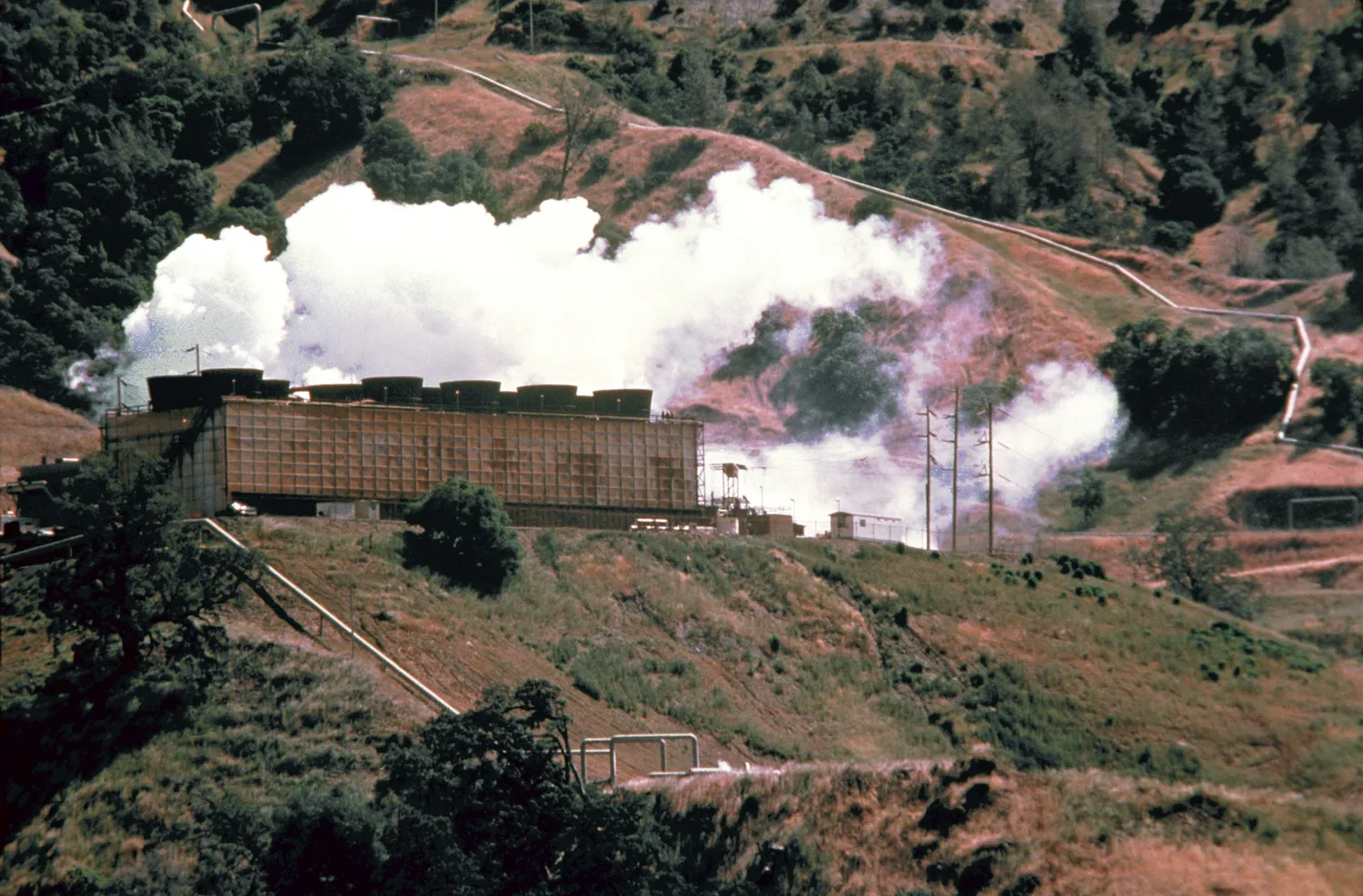
Geothermal energy is heat that comes from inside Earth..Geothermal power plant in the United States / Wikimedia Commons
Geothermal energy is heat that comes from inside Earth. The word "geothermal" comes from Greek words meaning "earth" and "heat." Deep beneath Earth's surface, temperatures can reach over 5,000 degrees Celsius. This incredible heat is left over from when Earth formed billions of years ago, and it is also produced by the decay of radioactive elements in Earth's core and mantle. Humans have learned to capture this natural heat and convert it into electricity and heating for buildings.
Earth's internal heat moves toward the surface through a process called conduction. Heat transfers from the hot mantle through the cooler crust, which is Earth's outermost layer. In most places, this heat is too deep to access easily. However, in certain locations called tectonically active areas, Earth's heat comes much closer to the surface. These areas are found near tectonic plate boundaries, where Earth's crust is cracked into large pieces that slowly move. At these boundaries, volcanic activity and earthquakes are common, and hot rocks exist closer to the surface than in other locations.
To capture geothermal energy, engineers drill deep wells called geothermal wells into the ground. These wells can reach depths of one to three kilometers. The wells access hot rocks and underground water that has been heated by Earth's internal heat. When water comes into contact with these hot rocks deep underground, it becomes extremely hot—sometimes turning into steam. This hot water or steam is then brought to the surface through pipes in the geothermal well.
Once the hot water or steam reaches the surface, it flows into a geothermal power plant. Inside the plant, the steam spins large turbines, which are machines with blades similar to a fan. As the turbines spin, they turn generators that produce electricity. This is the same basic process used in other types of power plants, but geothermal plants use Earth's natural heat instead of burning fossil fuels. After the steam passes through the turbines, it cools down and condenses back into water. This water is often pumped back underground through injection wells, where it can be heated again and reused in a continuous cycle.
Geothermal energy works best in tectonically active regions. Iceland is an excellent example of a country that uses geothermal energy extensively. Iceland sits on the Mid-Atlantic Ridge, where two tectonic plates are pulling apart. This geological setting brings hot rocks very close to the surface. Nearly 90 percent of homes in Iceland are heated using geothermal energy. In the United States, California has several geothermal power plants near the border with Nevada, where tectonic activity creates ideal conditions. The Geysers in northern California is the world's largest geothermal power plant complex.
Geothermal energy is considered a renewable energy source because Earth's internal heat will continue for millions of years. Unlike coal or natural gas, geothermal energy does not produce air pollution or greenhouse gases during electricity generation. However, geothermal energy is limited to certain geographic locations. Areas without tectonic activity cannot easily access Earth's internal heat. Despite this limitation, geothermal energy provides a clean, reliable source of power in regions where it is available.
Interesting Fact: The word "geyser" comes from Geysir, a famous hot spring in Iceland. Geysers are natural features where underground water is heated by geothermal energy and periodically erupts as steam and hot water at the surface.
Comprehension quiz (10 questions)
1. What does the word 'geothermal' mean?
2. Where does Earth's internal heat come from?
3. What is conduction?
4. Why do geothermal wells work best near tectonic plate boundaries?
5. How deep can geothermal wells reach?
6. What happens to steam after it passes through the turbines in a geothermal power plant?
7. What percentage of homes in Iceland are heated using geothermal energy?
8. Why is geothermal energy considered a renewable energy source?
9. True or False: Geothermal energy produces air pollution and greenhouse gases during electricity generation.
10. True or False: Geothermal energy can be easily accessed in all locations around the world.
Perfect for the way you teach
- Build comprehension skills
- Auto-graded quiz
- Differentiated reading
- Read together at home
- Improve fluency
- Quiet reading time
- Reading curriculum support
- Independent practice
- Track Lexile growth