Becoming a Knight
Interactive passage with audio narration, comprehension questions, and printable PDF.
By completing this purchase you agree to our Terms of Use and Privacy Policy. Your subscription renews automatically until you cancel. You can cancel anytime from your account settings. All sales are final and non-refundable. Digital content is available for download in your account immediately upon purchase.
What's included
Becoming a Knight preview and details
About this printable Becoming a Knight reading passage (Grades 5-8)
Sample passage and quiz from Becoming a Knight
Reading passage and comprehension quiz preview
Becoming a Medieval Knight
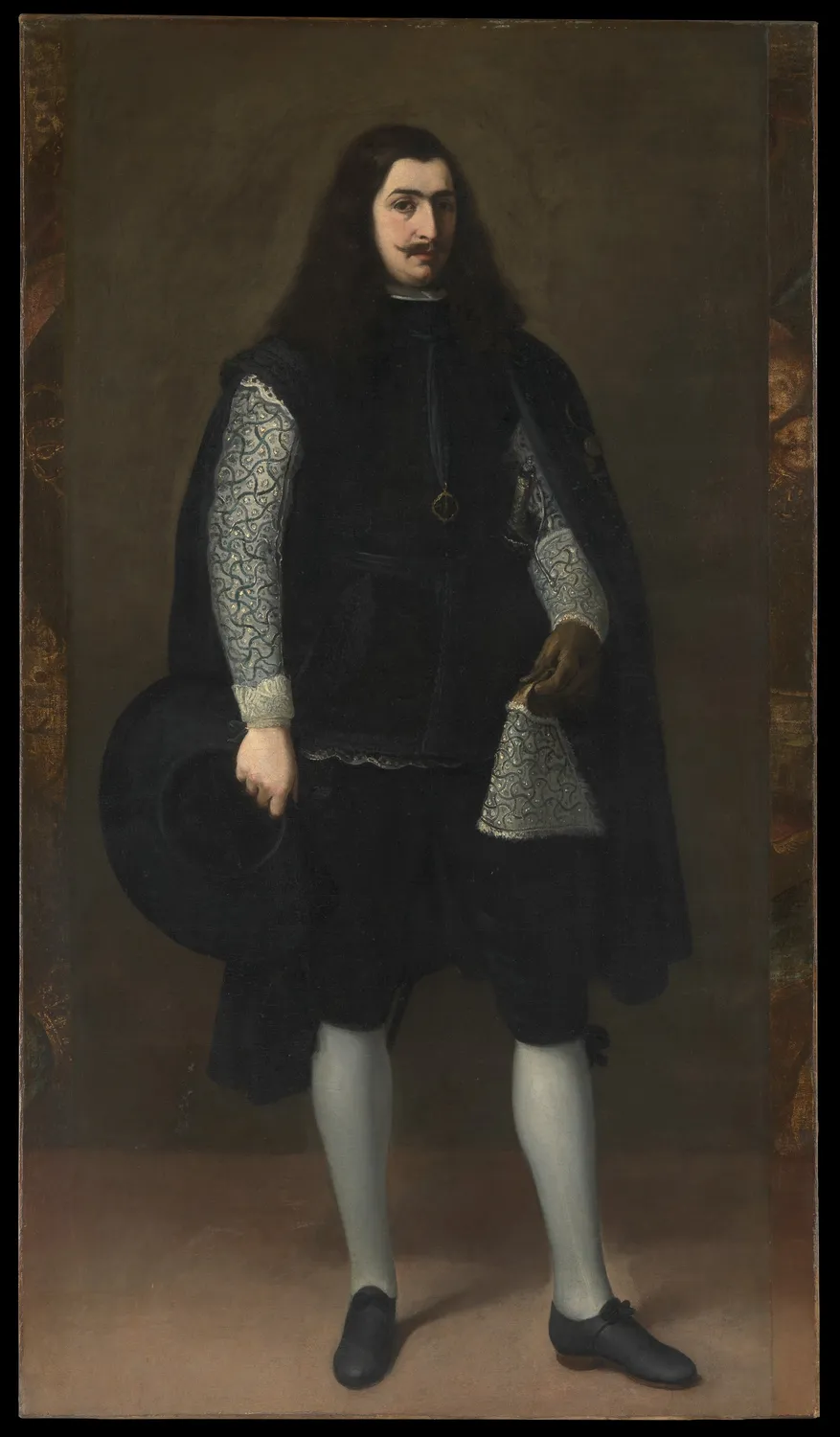
A Knight of Alcántara or Calatrava by Bartolomé Esteban Murillo / Wikimedia Commons.
During the Middle Ages, the path to becoming a knight was one of the most respected journeys for young nobles in Europe. Knights played a vital role in society, acting as warriors, landholders, and symbols of chivalry. The process of training and education to become a knight was long and demanding, reflecting the complex social order of medieval times.
The first stage began at about age seven, when a boy of noble birth became a page. Pages lived in a lord's castle, learning basic skills such as reading, writing, riding horses, and manners. They observed the daily life of the castle and sometimes delivered messages. Pages were often taught by women of the household, showing the importance of family and household roles. Historical records from England in the 13th century describe how pages also learned music and games to improve their agility and thinking.
At around fourteen, a page could advance to become a squire. Squires served directly under a knight and received more specialized training in combat, including handling swords, lances, and shields. They learned how to care for armor and horses, and sometimes accompanied their knight into battle. Archaeological finds, such as a squire’s helmet discovered in France, show how equipment evolved to fit their needs. Squires were expected to show loyalty, bravery, and respect for their superiors.
If a squire proved himself worthy, he could be dubbed a knight in a formal ceremony known as the accolade. This event often took place in a church or at court, sometimes after a squire had fought bravely in battle. The new knight swore an oath to uphold the code of chivalry, which included values like honesty, fairness, and protecting the weak. The famous Song of Roland, a medieval poem, praises knights who were loyal to their lords and courageous in battle. Knights wore heavy armor, sometimes weighing over 50 pounds, and carried swords, lances, and shields. The design of armor changed over time as new technology and threats emerged, especially during the Hundred Years’ War.
Becoming a knight was not just about fighting. Knights were expected to manage land, serve as judges, and participate in tournaments that demonstrated their skills. Their role supported the feudal system, which organized society into different classes. Knights often benefited from the land granted by lords, but their duties also demanded discipline and sacrifice. Over centuries, the meaning of knighthood shifted as military tactics and social structures changed, but the ideal of chivalry remained important.
The process of becoming a knight reveals much about the values and organization of medieval European society. It connects to broader themes in world history, such as the development of social hierarchies and the lasting impact of cultural traditions.
Interesting Fact: Some knights took part in crusades to the Holy Land, traveling thousands of miles from their homes in Europe.
Comprehension quiz (8 questions)
1. What was a boy called at age 7?
2. What event made a squire a knight?
3. What is chivalry?
4. Why did armor design change over time?
5. How did knights support the feudal system?
6. Why were pages taught music and games?
7. Knights always stayed in their home country.
8. What does 'dubbed' mean?
Perfect for the way you teach
- Build comprehension skills
- Auto-graded quiz
- Differentiated reading
- Read together at home
- Improve fluency
- Quiet reading time
- Reading curriculum support
- Independent practice
- Track Lexile growth