Cultures Collide and Mix
Interactive passage with audio narration, comprehension questions, and printable PDF.
By completing this purchase you agree to our Terms of Use and Privacy Policy. Your subscription renews automatically until you cancel. You can cancel anytime from your account settings. All sales are final and non-refundable. Digital content is available for download in your account immediately upon purchase.
What's included
Cultures Collide and Mix preview and details
About this printable Cultures Collide and Mix reading passage (Grades 5-8)
Sample passage and quiz from Cultures Collide and Mix
Reading passage and comprehension quiz preview
Cultures Collide and Mix: Germanic and Roman Traditions in the Middle Ages
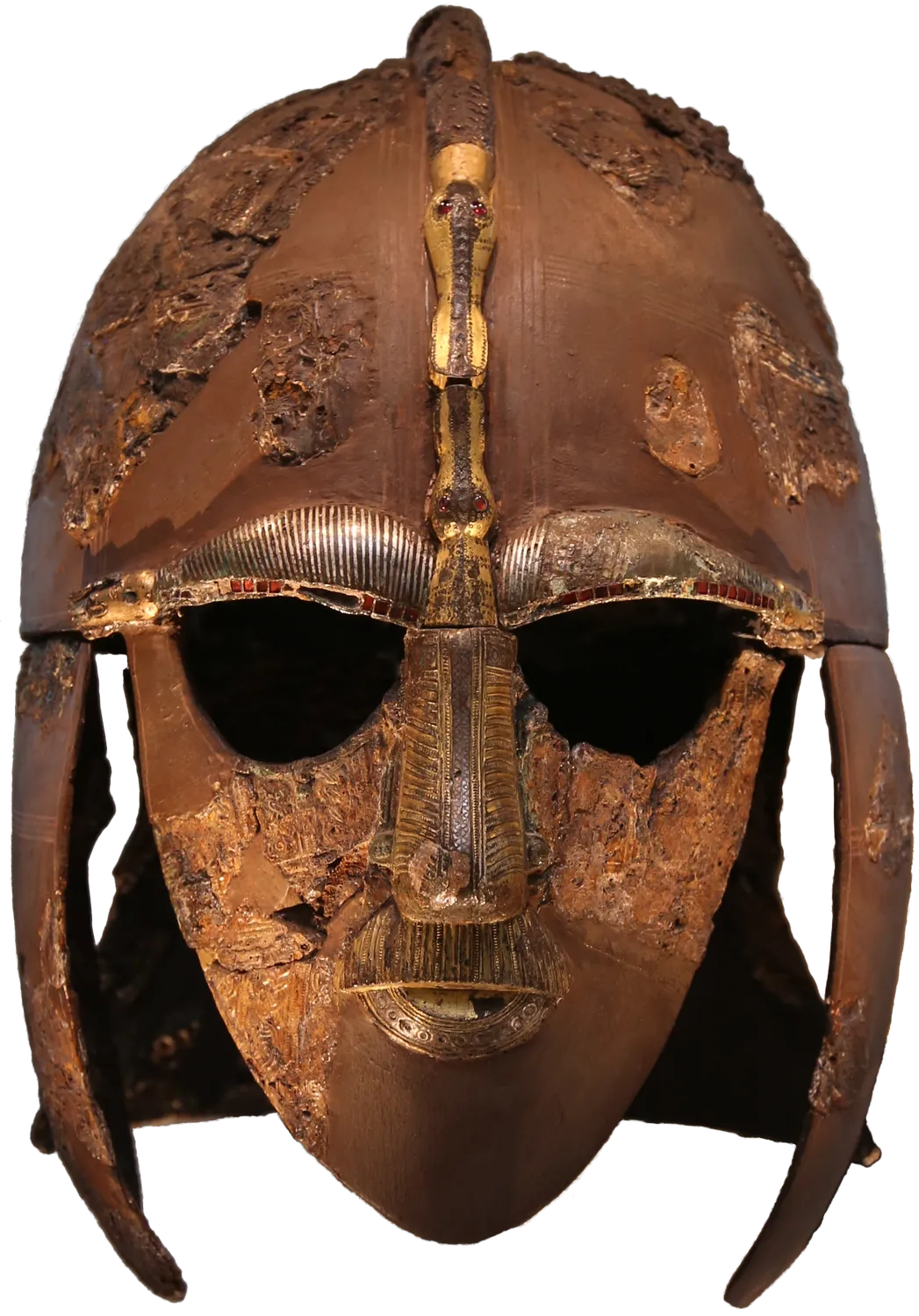
"Sutton Hoo helmet" by user:Geni / Wikimedia Commons.
The blending of Germanic and Roman traditions during the Middle Ages transformed European society in lasting ways. After the fall of the Western Roman Empire in 476 CE, Germanic tribes such as the Franks, Visigoths, and Lombards settled in former Roman territories. These groups brought their own customs, beliefs, and ways of life, which gradually combined with the traditions of the Romans. This cultural mixing created new systems of law, language, and daily life that shaped medieval Europe.
One major area of change was the development of new legal systems. The Romans had written laws like the Justinian Code, a collection of Roman laws organized by Emperor Justinian in the 6th century. In contrast, Germanic tribes relied on oral law, which was remembered and recited by elders. When these groups merged, they created new legal codes that combined both traditions. For example, the Salic Law of the Franks, written around 500 CE, mixed Germanic customs about family and property with Roman ideas of written rules and public courts. Archaeological evidence, such as early law codes written on parchment, shows how rulers tried to balance these traditions to maintain order.
Language also changed as Germanic and Roman peoples interacted. Latin remained the official language of the Church and government, but over time, it blended with Germanic words and grammar. This process led to the development of new languages like French, Spanish, and Italian, which are known as Romance languages. Place names and personal names from both cultures can still be found across Europe. For example, the city of Cologne in Germany was originally a Roman city called Colonia, but later became influenced by Frankish rulers and language. This blending helped create the diverse linguistic landscape of medieval and modern Europe.
Daily life and social organization also reflected this cultural fusion. The Roman social hierarchy, which was based on citizenship and class, merged with the Germanic system of tribes and warrior chiefs. Over time, this led to the rise of feudalism, where power was based on land ownership and loyalty to a lord. Artifacts like jewelry, weapons, and household items from archaeological sites show a mix of Roman and Germanic styles. For example, the Sutton Hoo burial site in England contains objects that combine Roman materials with Germanic designs. This evidence demonstrates how people adapted to new environments and created unique identities.
The blending of Germanic and Roman traditions in the Middle Ages was a complex process that changed over time and differed from place to place. It helped create the foundations for modern European laws, languages, and cultures. By studying these changes, historians can better understand how cultural exchange shapes societies.
Interesting Fact: The word "Frank" comes from the name of a Germanic tribe, and France is named after them.
Comprehension quiz (8 questions)
1. When did the Western Roman Empire fall?
2. Which tribe wrote the Salic Law?
3. What was the Justinian Code?
4. How did new languages develop?
5. Why is Sutton Hoo important?
6. What system replaced Roman social order?
7. Germanic tribes only used written laws. True or false?
8. What are Romance languages?
Perfect for the way you teach
- Build comprehension skills
- Auto-graded quiz
- Differentiated reading
- Read together at home
- Improve fluency
- Quiet reading time
- Reading curriculum support
- Independent practice
- Track Lexile growth