Electrical Safety
Interactive passage with audio narration, comprehension questions, and printable PDF.
By completing this purchase you agree to our Terms of Use and Privacy Policy. Your subscription renews automatically until you cancel. You can cancel anytime from your account settings. All sales are final and non-refundable. Digital content is available for download in your account immediately upon purchase.
What's included
Electrical Safety preview and details
About this printable Electrical Safety science reading passage, NGSS-aligned (Grades 5-8)
Sample passage and quiz from Electrical Safety
Reading passage and comprehension quiz preview
Electrical Safety
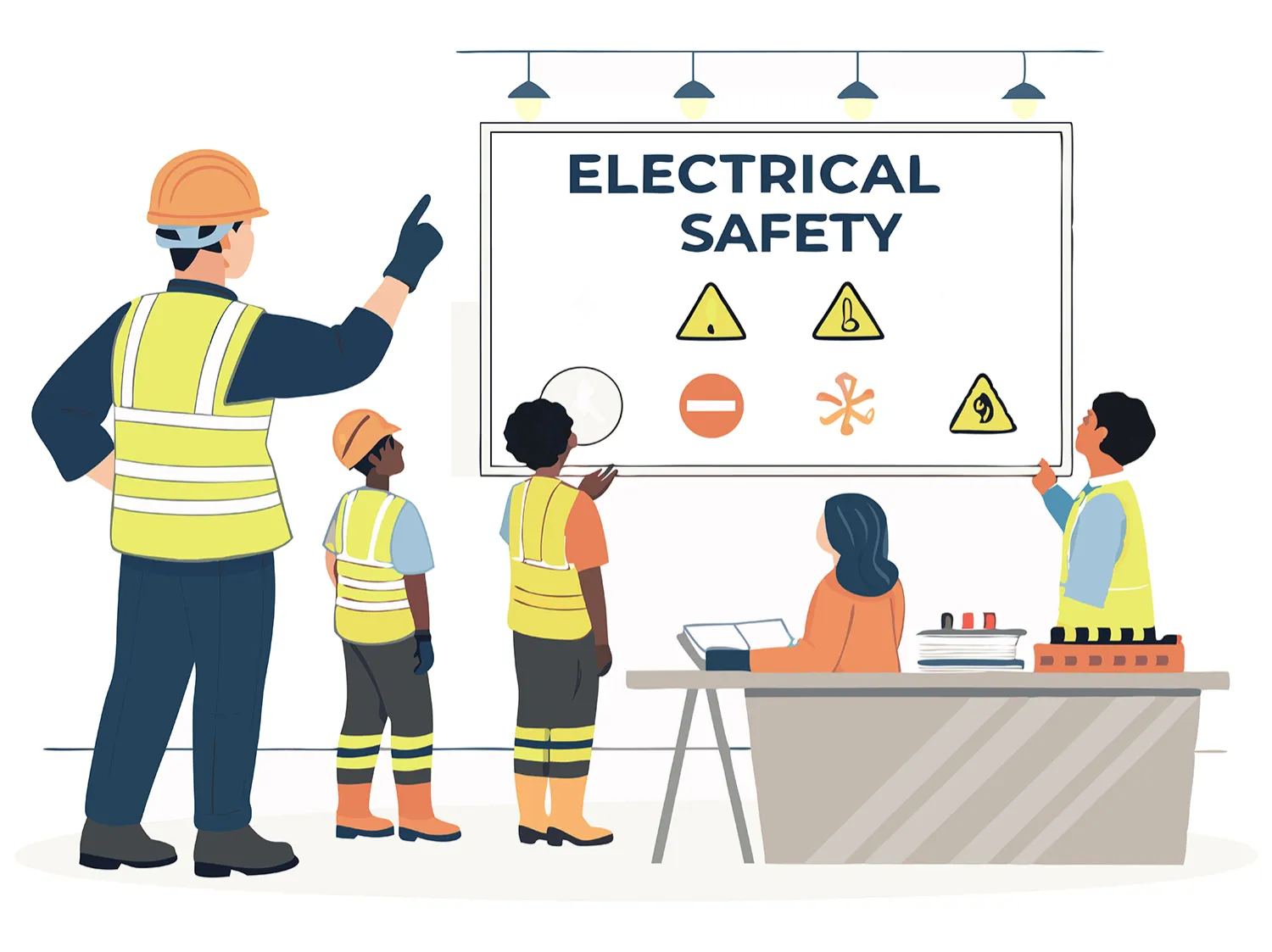
Electricity powers nearly every aspect of modern life, from lighting our homes to running computers and appliances. However, electrical hazards such as shock, burns, fires, and even electrocution can occur when electricity is not handled safely. Understanding the underlying mechanisms of electrical danger is essential for preventing accidents and protecting human health. Electrical safety relies on both scientific knowledge and practical systems that work together to keep people safe.
How Electricity Becomes Dangerous
Electricity travels through conductors, which are materials that allow electric current to flow. The human body is a strong conductor because it contains water and dissolved salts. When electric current passes through the body, it can disrupt vital signals in the heart and muscles, causing injury or death. Contrary to common belief, it is the amount of current (measured in amperes or amps), not just the voltage, that determines the severity of an electric shock. For example, a current as small as 0.1 amps (100 milliamps) can be fatal if it passes through the heart. The skin normally offers some resistance, but wet skin lowers this resistance, making shocks more likely and dangerous. Fires and burns can also result when wires or cords overheat due to too much current, or when electrical sparks ignite nearby flammable materials.
Safety Devices and Systems
To prevent electrical hazards, homes and buildings are equipped with safety devices. Fuses and circuit breakers automatically shut off the flow of electricity if the current becomes dangerously high. Ground Fault Circuit Interrupter (GFCI) outlets, often installed in kitchens and bathrooms, stop electricity instantly if they detect current leaking to the ground, which usually happens when water is present. Grounding provides a safe path for excess current to travel harmlessly into the earth. These devices are designed based on scientific understanding of how current flows and how the body reacts to electricity. For example, GFCI devices trip at currents as low as 0.005 amps (5 milliamps), far below the level that causes serious injury.
Safe Practices and Lightning Safety
Beyond devices, safe habits are essential. Water is a very good conductor, so it is vital to keep electrical devices away from sinks, bathtubs, and wet surfaces. Never overload outlets or extension cords, as this can cause overheating and start fires. Damaged cords should always be replaced to prevent exposed wires from causing shocks or burns. Lightning, a natural form of electricity, can be extremely dangerous. During thunderstorms, staying indoors and avoiding contact with water, electronics, or plumbing is the safest choice. These practices combine scientific knowledge about electricity with real-world experience to reduce risk.
Electrical safety is a result of understanding both the science of electricity and the ways we interact with it daily. By using protective devices and following safe behaviors, we prevent injuries and save lives. The same scientific principles that power our world also guide us in making it safer for everyone.
Interesting Fact: A single lightning bolt can carry up to 30,000 amps of current—about 300,000 times the amount needed to stop a human heart!
Comprehension quiz (10 questions)
1. What is the main reason electricity is dangerous to humans?
2. Which safety device shuts off electricity when current leaks to the ground?
3. According to the passage, what is measured in amperes (amps)?
4. What can happen if you overload an electrical outlet?
5. What does grounding do in an electrical system?
6. In the passage, what makes the human body a good conductor?
7. Which statement best explains why wet skin increases the risk of shock?
8. Why are GFCI outlets important in bathrooms and kitchens?
9. True or False: Voltage alone always determines the severity of an electric shock.
10. True or False: Lightning carries much more current than household electricity.
Perfect for the way you teach
- Build comprehension skills
- Auto-graded quiz
- Differentiated reading
- Read together at home
- Improve fluency
- Quiet reading time
- Reading curriculum support
- Independent practice
- Track Lexile growth