Feudalism: Lords, Knights, and Vassals — Reading Comprehension
Rate this
Premium Resource
Present
Present in classroom. No work saved
Assign
Classroom with student accounts, Track progress
Quick Play
No student accounts, assign with a link
Grades
5
6
7
8
PRINT+DIGITAL RESOURCE
This learning resource is available in interactive and printable formats. The interactive worksheet can be played online and assigned to students. The Printable PDF version can be downloaded and printed for completion by hand.
This engaging passage explores the feudal system of medieval Europe, focusing on the roles of lords, knights, and vassals. Students will learn how land and loyalty formed the structure of society, what daily life was like for different classes, and how feudalism shaped European history. The passage references primary sources such as the Domesday Book and medieval charters, addresses cause and effect, and examines the significance of the feudal hierarchy. Activities include a reading quiz, writing prompts, graphic organizers, and a timeline. This lesson is aligned with HSS 7.6 and CCSS RI.6-8, and includes a Spanish translation and read aloud audio for accessibility.
CONTENT PREVIEW
Expand content preview
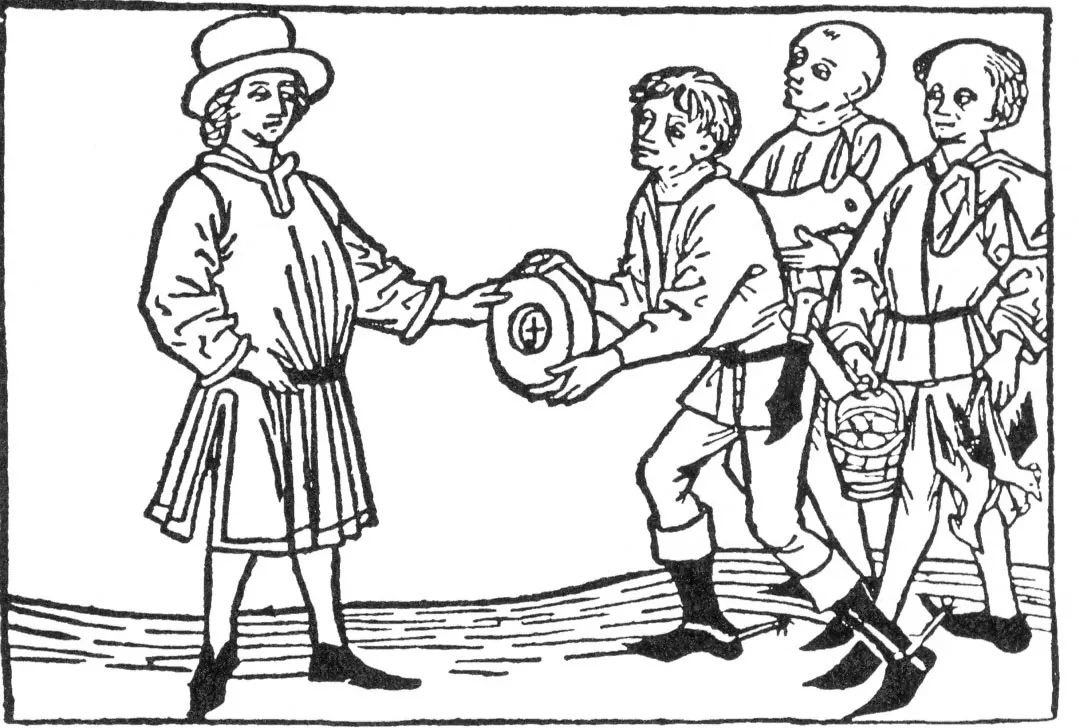
Farmers in the delivery of their taxes to the landlords. Woodcut,15th century / Wikimedia Commons (Public domain).
Feudalism was a powerful system that shaped life in medieval Europe from about the 9th to the 15th century. It was a way to organize society when strong central governments were weak or missing. In this system, land was the main source of wealth and power. Relationships between people were based on land ownership and military service.
The basic structure of feudalism was a pyramid. At the top was the king, who claimed ownership of all the land. The king granted large areas called fiefs to powerful nobles, or lords, in return for their loyalty and military aid. These lords could be dukes, counts, or barons. Lords would then give parts of their land to trusted warriors known as knights. In return, knights promised to fight for their lord whenever needed. Both lords and knights could have their own vassals, people who received land and protection in exchange for service and loyalty. This created a network of ties and responsibilities.
The relationship between a lord and a vassal was formal and involved a special ceremony called homage. During homage, the vassal knelt before the lord and swore an oath of fealty, or loyalty. The lord, in turn, promised to protect the vassal and give him land. This agreement was often written down in documents known as charters. The Domesday Book, created in 1086 in England, is a famous example of a record that listed who held land under the king. Archaeologists have also found medieval castles and manors that show how land was divided and defended.
Daily life under feudalism depended on a person's place in the social order. Lords lived in castles and managed their estates. Knights trained for battle and followed a code called chivalry, which included bravery and respect for others. Most people, called serfs, worked the land. Serfs were not slaves, but they could not leave the land without permission. The feudal system provided stability and protection in a time of frequent wars and invasions, but it also kept people in strict social classes. Over time, as kings gained more power and towns grew, feudalism began to weaken.
Feudalism had a major effect on European history. It influenced laws, economies, and even the way land is owned today. The system also shaped ideas about duty, loyalty, and leadership that lasted long after the Middle Ages. Understanding feudalism helps us see how geography, power, and human relationships affect the way societies are organized.
One key theme in world history is the rise and fall of different systems of government. Studying feudalism shows how societies adapt to challenges, like the loss of strong central leadership, and create new ways to manage land and people.
Interesting Fact: The word "vassal" comes from a Celtic word meaning "servant" or "young man." Some lords could be vassals to other, more powerful lords at the same time!
Who was at the top of feudalism?
The kingThe knightThe serfThe vassal
What did lords give to knights?
LandGoldToolsFood
What was the Domesday Book?
A record of land ownershipA knight’s handbookA law bookA battle plan