How Fog Forms
Interactive passage with audio narration, comprehension questions, and printable PDF.
By completing this purchase you agree to our Terms of Use and Privacy Policy. Your subscription renews automatically until you cancel. You can cancel anytime from your account settings. All sales are final and non-refundable. Digital content is available for download in your account immediately upon purchase.
What's included
How Fog Forms preview and details
About this printable How Fog Forms science reading passage, NGSS-aligned (Grades 5-8)
Sample passage and quiz from How Fog Forms
Reading passage and comprehension quiz preview
How Does Fog Form
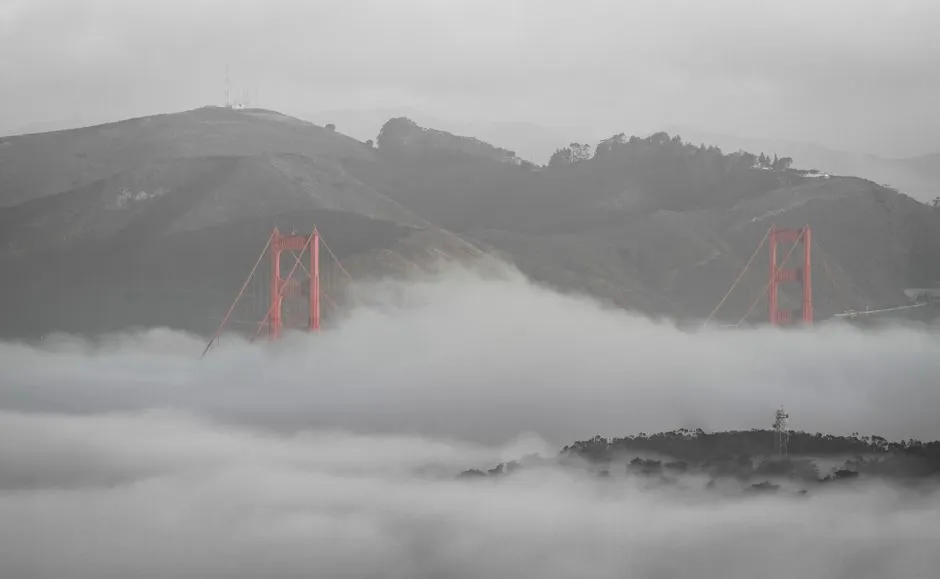
Fog is a cloud that forms at ground level. Dense fog blankets the Golden Gate Bridge. Image by Stephen Leonardi / Pexels.
Have you ever walked through a cloud? If you have been in fog, then you have. Fog is a cloud that forms at ground level. It happens when air near the surface cools to its dew point. The dew point is the temperature at which water vapor in the air condenses into tiny water droplets. These droplets hang in the air and create the misty conditions we call fog.
Scientists explain that several types of fog form under different conditions. Radiation fog develops on clear, calm nights. The ground loses heat quickly through radiation, cooling the air just above it. When this air reaches its dew point, fog forms. This type often appears in valleys and low areas during fall and winter mornings. Advection fog occurs when warm, moist air moves over a cooler surface. The air cools from below and water vapor condenses. Upslope fog forms when air rises up mountains or hills. As air climbs higher, it expands and cools, reaching its dew point. Evaporation fog appears when cold air moves over warm water. Water evaporates from the surface and immediately condenses in the cold air above.
San Francisco provides a famous example of advection fog. The city experiences thick fog, especially during summer months. Warm air from the Pacific Ocean moves eastward over the cold California Current waters near the coast. This causes the air to cool rapidly. When the cooled air reaches San Francisco Bay, dense fog blankets the Golden Gate Bridge and surrounding areas. Local residents have even given this fog a nickname: Karl. Evidence shows that this fog pattern can reduce visibility to less than a quarter mile. The fog affects transportation, tourism, and daily life in the region.
Understanding fog formation matters for several reasons. Fog can create dangerous driving conditions and affect air travel. Scientists study fog patterns to improve weather forecasts and safety warnings. Fog also plays a role in Earth's water cycle by returning moisture to the ground through condensation. In some coastal areas, fog provides important water for plants and ecosystems. Recognizing different fog types helps meteorologists predict when and where fog may develop.
Interesting Fact: Some coastal redwood forests in California receive up to 40 percent of their water from fog drip. The trees capture fog droplets on their needles, which then fall to the ground as water.
Comprehension quiz (10 questions)
1. What is fog?
2. Which type of fog forms on clear, calm nights when the ground loses heat?
3. What is the dew point?
4. In the passage, what does 'condenses' mean?
5. What causes San Francisco's famous fog to form?
6. Why do scientists study fog patterns?
7. If warm, moist air moves over a cold lake surface, which type of fog would most likely form?
8. Based on the passage, what role does fog play in Earth's water cycle?
9. True or False: Fog always forms when air temperature increases.
10. True or False: San Francisco residents have nicknamed their fog 'Karl.'
Perfect for the way you teach
- Build comprehension skills
- Auto-graded quiz
- Differentiated reading
- Read together at home
- Improve fluency
- Quiet reading time
- Reading curriculum support
- Independent practice
- Track Lexile growth