How We Prepare for Storms
Interactive passage with audio narration, comprehension questions, and printable PDF.
By completing this purchase you agree to our Terms of Use and Privacy Policy. Your subscription renews automatically until you cancel. You can cancel anytime from your account settings. All sales are final and non-refundable. Digital content is available for download in your account immediately upon purchase.
What's included
How We Prepare for Storms preview and details
About this printable How We Prepare for Storms science reading passage, NGSS-aligned (Grades 3-5)
Sample passage and quiz from How We Prepare for Storms
Reading passage and comprehension quiz preview
How We Prepare for Storms
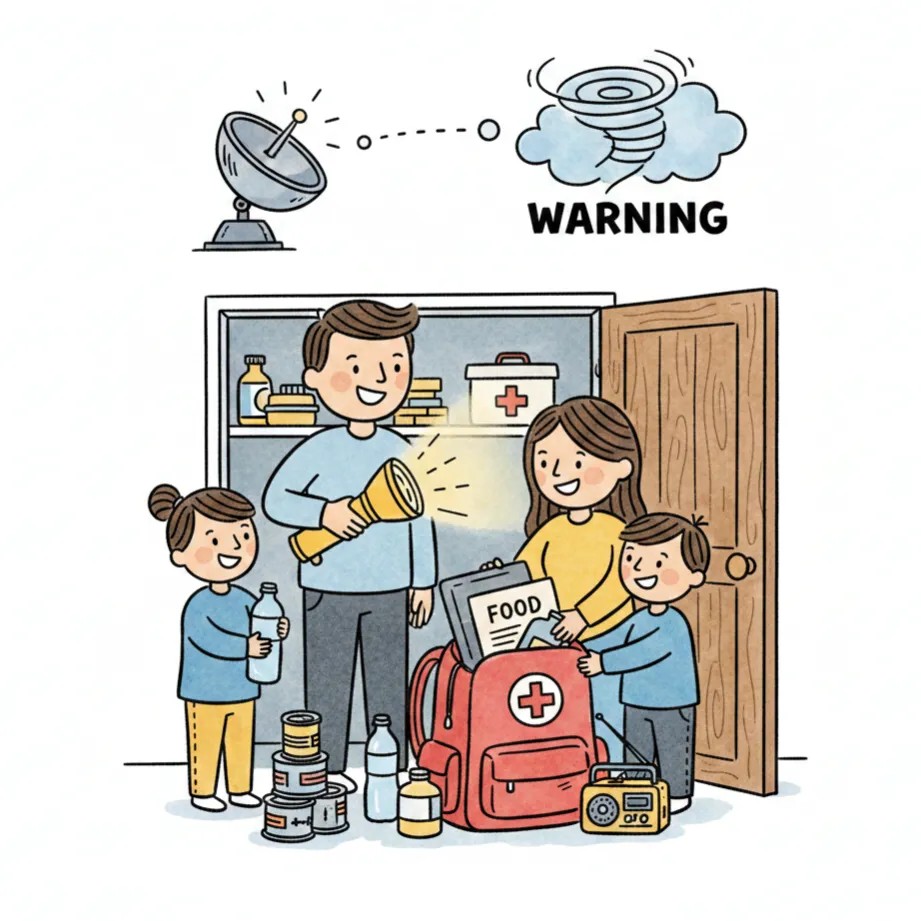
Severe storms are dangerous weather events like hurricanes and tornadoes that can damage buildings and hurt people. Preparing for these storms helps keep families and communities safe when bad weather strikes.
Weather forecasters are scientists who track storms using special tools like radar and satellites. When they see a dangerous storm coming, they issue watches and warnings to let people know. A watch means a storm might happen, while a warning means a storm is happening now or very soon. These alerts give people time to get ready.
Families prepare by creating emergency kits that include water, food that won't spoil, flashlights, batteries, and a first-aid kit. In areas where hurricanes happen, people board up their windows with wood to protect the glass from breaking. Sometimes they must evacuate, which means leaving their homes and going to safer places away from the storm.
In places where tornadoes occur, families identify safe rooms in their homes. The safest spots are basements or small interior rooms without windows, like bathrooms or closets. Schools and workplaces practice storm drills so everyone knows exactly what to do when a storm warning is issued. These drills are like fire drills but for storms.
Preparation is one of the most effective ways to stay safe during severe weather. When people plan ahead, they can protect themselves and reduce damage to their property.
Interesting Fact: The largest emergency kit ever assembled was created for hurricane preparation and included enough supplies to help over 10,000 families for three days!
Comprehension quiz (8 questions)
1. What do weather forecasters use to track storms?
2. What should families include in emergency kits?
3. Where is the safest place during a tornado?
4. Why do people board up windows before hurricanes?
5. How do storm drills help people?
6. What happens when families evacuate during a storm?
7. A watch means a storm is already happening.
8. What does the word 'severe' mean in this passage?
Perfect for the way you teach
- Build comprehension skills
- Auto-graded quiz
- Differentiated reading
- Read together at home
- Improve fluency
- Quiet reading time
- Reading curriculum support
- Independent practice
- Track Lexile growth