Knights Templar
Interactive passage with audio narration, comprehension questions, and printable PDF.
By completing this purchase you agree to our Terms of Use and Privacy Policy. Your subscription renews automatically until you cancel. You can cancel anytime from your account settings. All sales are final and non-refundable. Digital content is available for download in your account immediately upon purchase.
What's included
Knights Templar preview and details
About this printable Knights Templar reading passage (Grades 5-8)
Sample passage and quiz from Knights Templar
Reading passage and comprehension quiz preview
Knights Templar
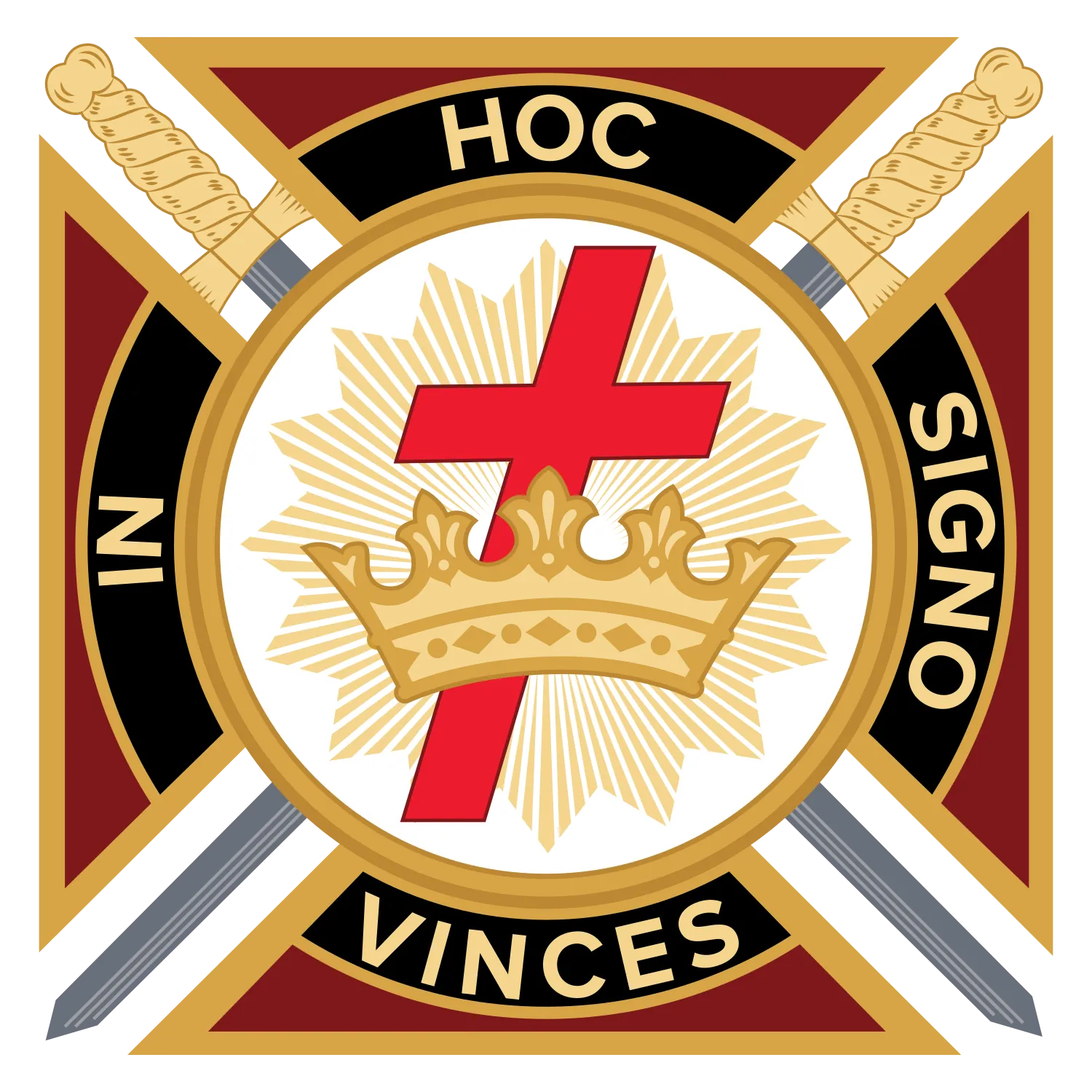
Knights Templar Logo by Brandon Mullins, Wikimedia Commons.
The Knights Templar was a medieval military order founded in 1119 in Jerusalem. Their main purpose was to protect Christian pilgrims traveling to the Holy Land during a time of frequent conflict. The Templars quickly became one of the most famous and powerful groups in Europe, known for their strict rules, military skill, and distinctive white mantles with a red cross.
The order began with just nine knights led by Hugh de Payens, a French nobleman. Their headquarters were established on the Temple Mount in Jerusalem, which gave them their name. The Templars took vows of poverty, chastity, and obedience, much like monks, but they were also trained as fierce warriors. They were granted special privileges by the Catholic Church, including exemption from local laws and taxes, as written in a papal bull by Pope Innocent II in 1139. According to chroniclers like William of Tyre, the Templars played a vital role in defending the Crusader states from Muslim armies.
Over time, the Templars grew wealthy from donations, land, and treasures given by European nobles. They established castles and outposts across Europe and the Middle East, such as the stronghold at Tomar in Portugal. The Templars also became involved in banking, safeguarding money and valuables for travelers and even kings. Their organizational structure was highly disciplined, with a Grand Master at the top, followed by commanders, knights, and sergeants. Daily life in the order included prayer, training, and maintaining their many estates. Archaeological evidence from Templar sites, like the round churches in London and Tomar, shows their unique style and influence.
However, as the Crusades failed and the Christian territories in the Holy Land were lost, the Templars’ original mission faded. Their power and wealth attracted suspicion from European monarchs. In 1307, King Philip IV of France ordered the arrest of many Templars, accusing them of heresy and other crimes, though historians debate the truth of these charges. After years of trials, Pope Clement V officially disbanded the order in 1312. The fate of much of the Templars' treasure remains a mystery, but some members joined other orders or returned to ordinary life.
The legacy of the Knights Templar continues to fascinate people today. They influenced medieval warfare, banking practices, and legends about hidden treasures. Their story connects to broader themes of faith, power, and the changing nature of society in the Middle Ages.
Interesting Fact: The Templars’ distinctive red cross became a lasting symbol of bravery and sacrifice, and is still recognized around the world.
Comprehension quiz (8 questions)
1. When was the Knights Templar founded?
2. Who led the original Templars?
3. Why did the Templars become wealthy?
4. What was the Templar’s main mission?
5. What effect did the Crusades’ failure have?
6. Why did King Philip IV target the Templars?
7. The Templars were disbanded in 1312. True or false?
8. What does 'legacy' mean in this passage?
Perfect for the way you teach
- Build comprehension skills
- Auto-graded quiz
- Differentiated reading
- Read together at home
- Improve fluency
- Quiet reading time
- Reading curriculum support
- Independent practice
- Track Lexile growth