Rise of Medieval Towns
Interactive passage with audio narration, comprehension questions, and printable PDF.
By completing this purchase you agree to our Terms of Use and Privacy Policy. Your subscription renews automatically until you cancel. You can cancel anytime from your account settings. All sales are final and non-refundable. Digital content is available for download in your account immediately upon purchase.
What's included
Rise of Medieval Towns preview and details
About this printable Rise of Medieval Towns reading passage (Grades 5-8)
Sample passage and quiz from Rise of Medieval Towns
Reading passage and comprehension quiz preview
Rise of Medieval Towns
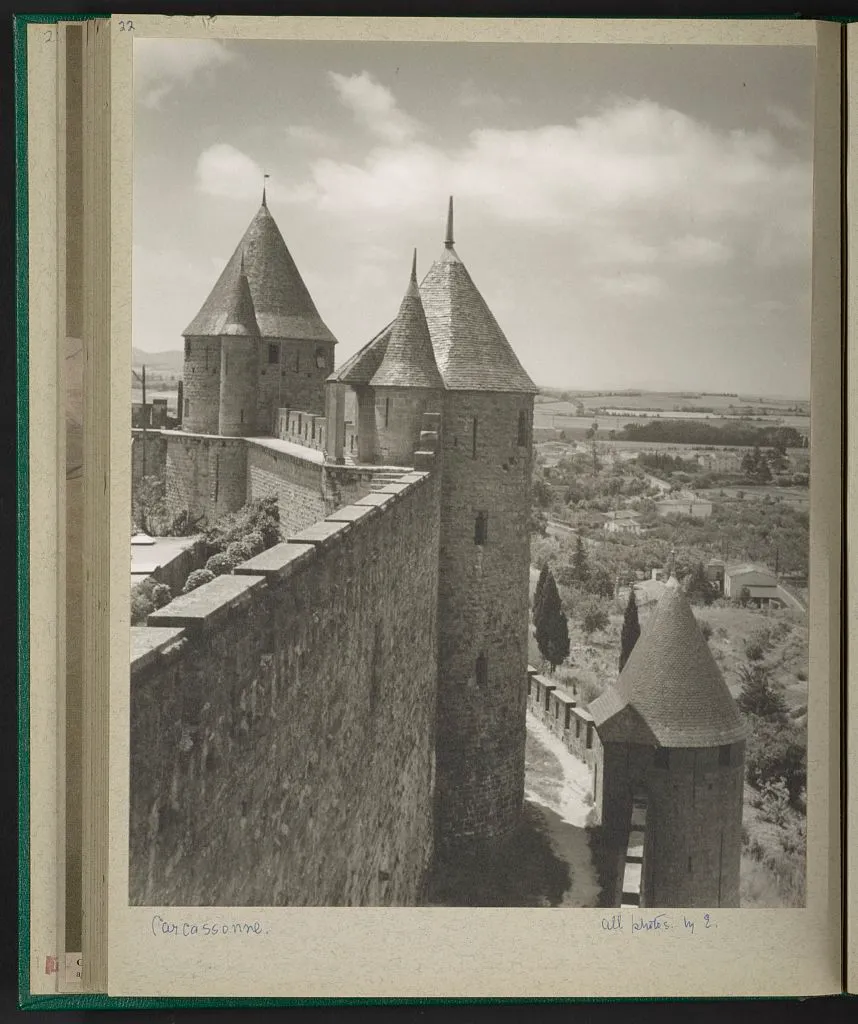
"Carcassone 30596v" by Eleanor Butler Alexander-Roosevelt/ Wikimedia Commons.
The growth of towns and cities was a major development of the Middle Ages in Europe. Between the 10th and 13th centuries, settlements expanded rapidly, especially in regions with strong trade routes or near powerful castles. This transformation changed the social, economic, and political landscapes of Europe.
Many medieval towns grew up around castles. Castles offered protection from raiders and armies, making them attractive places for people to live and work. For example, the town of Carcassonne in France developed around its famous fortress in the 12th century. Archaeological evidence, such as ancient walls and market remains, shows how these towns were carefully planned for both defense and commerce. Marketplaces were often located near castle gates, allowing villagers and merchants easy access for buying and selling goods. Over time, these towns became centers of activity, drawing even more people from the countryside.
Trade was another powerful force behind urban growth. Towns at crossroads or on rivers, like Bruges in Flanders or Venice in Italy, became major hubs because they connected distant regions. New guilds, or organizations of skilled workers such as weavers and blacksmiths, were formed to protect members’ interests and uphold quality standards. Written records from London in the 13th century describe strict rules for market trading and evidence of bustling merchant communities. These changes led to the rise of a new middle class made up of merchants, craftsmen, and their families. Unlike peasants or nobles, this group had increasing financial power and could influence town decisions by joining local councils.
Population growth in medieval towns had many causes. Improved farming methods, like the three-field system, increased food supplies, allowing more people to survive and migrate to towns. Towns also promised greater freedom; in some places, “town air makes free” was a popular saying, meaning that people who lived in a town for a year and a day could become free citizens. This attracted serfs escaping from feudal manors. Over time, towns gained charters from kings or lords, giving them the right to govern themselves and hold markets. These documents, some of which survive today, show how townspeople negotiated for more rights and independence.
The rise of medieval towns changed daily life. Streets became crowded with shops, bakeries, and workshops. Social hierarchies shifted as merchants and guild leaders gained status. Towns also became centers for culture and learning, with new schools and churches. However, townspeople faced new challenges, like fires, disease, and overcrowding. Despite these hardships, the growth of towns laid the foundation for modern European cities and economies.
This development connects to broader themes in world history, such as the impact of geography on human settlements, the evolution of social classes, and the lasting effects of trade on societies.
Interesting Fact: Some medieval towns held weekly markets for over 500 years—records from the English town of Shrewsbury show its market began in the 12th century and continues today!
Comprehension quiz (8 questions)
1. When did medieval towns expand most rapidly?
2. Why did many towns grow near castles?
3. What was one effect of improved farming?
4. What is a guild?
5. Who made up the new middle class?
6. What did town charters allow?
7. True or False: Towns always had enough food.
8. What does 'hierarchies' mean?
Perfect for the way you teach
- Build comprehension skills
- Auto-graded quiz
- Differentiated reading
- Read together at home
- Improve fluency
- Quiet reading time
- Reading curriculum support
- Independent practice
- Track Lexile growth