Types of Precipitation
Interactive passage with audio narration, comprehension questions, and printable PDF.
By completing this purchase you agree to our Terms of Use and Privacy Policy. Your subscription renews automatically until you cancel. You can cancel anytime from your account settings. All sales are final and non-refundable. Digital content is available for download in your account immediately upon purchase.
What's included
Types of Precipitation preview and details
About this printable Types of Precipitation science reading passage, NGSS-aligned (Grades 5-8)
Sample passage and quiz from Types of Precipitation
Reading passage and comprehension quiz preview
Types of Precipitation
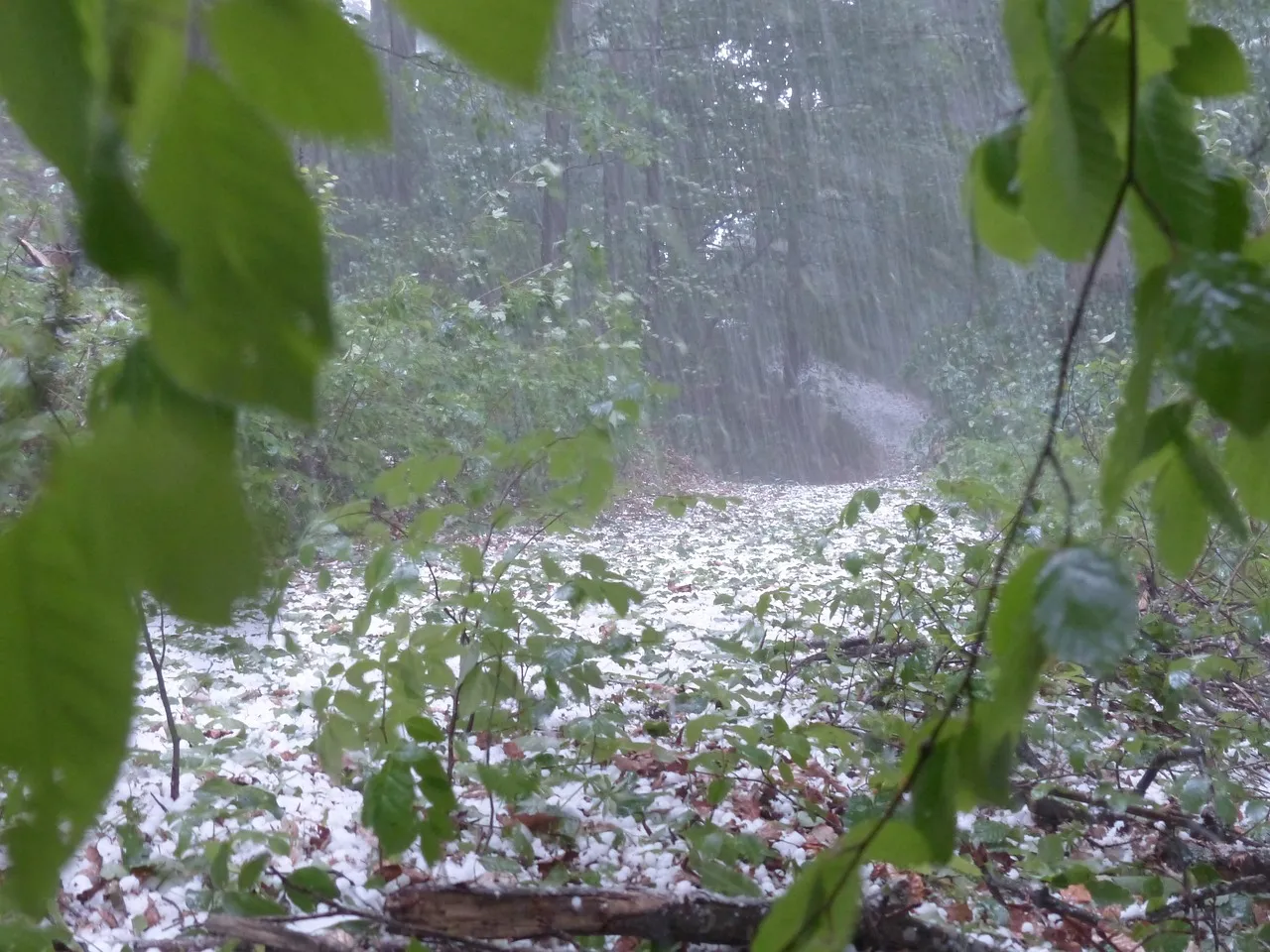
Precipitation occurs in four main types: rain, snow, sleet, and hail. Each type forms under different temperature and atmospheric conditions. by Hans / Pixabay.
When water falls from clouds to Earth's surface, scientists call it precipitation. Precipitation occurs in four main types: rain, snow, sleet, and hail. Each type forms under different temperature and atmospheric conditions. Understanding these differences helps scientists predict weather patterns and prepare communities for storms.
Rain is the most common form of precipitation. Rain forms when tiny cloud droplets combine and grow larger. When droplets become heavy enough, gravity pulls them downward. They fall through warm air and reach the ground as liquid water. Rain can fall as light drizzle or heavy downpours. The size of raindrops ranges from about 0.02 to 0.25 inches across.
Snow forms when water vapor turns directly into ice crystals inside cold clouds. This process happens when cloud temperatures stay below freezing. Ice crystals grow as more water vapor freezes onto them. Scientists observe that snowflakes have six-sided symmetry because of how water molecules bond together. Snow falls when ice crystals become heavy enough to overcome air resistance. If air temperatures remain below freezing all the way to the ground, precipitation reaches Earth as snow.
Sleet occurs when raindrops fall through a layer of freezing air near the ground. The raindrops freeze into small ice pellets before they land. Sleet bounces when it hits surfaces and creates a distinct tapping sound. This type of precipitation forms when warm air sits above a layer of cold air close to Earth's surface. Evidence shows that sleet often makes roads and sidewalks dangerously slippery.
Hail forms inside powerful thunderstorms with strong updrafts. Ice balls cycle up and down through the cloud repeatedly. Each trip through the cloud adds another layer of ice. Hailstones grow larger with each cycle until they become too heavy for updrafts to support. The largest hailstone ever recorded in the United States fell in Vivian, South Dakota, in 2010. It measured 8 inches across and weighed nearly 2 pounds. Hail can damage crops, vehicles, and buildings during severe storms.
Knowing precipitation types matters because it helps communities prepare for different weather conditions. Meteorologists use temperature data and atmospheric observations to predict which type will fall. This information helps people make decisions about travel, farming, and safety. Precipitation connects to Earth's water cycle and affects ecosystems worldwide.
Interesting Fact: A single snowflake can contain up to 200 ice crystals joined together. No two snowflakes are exactly alike because each one travels through slightly different atmospheric conditions as it forms and falls.
Comprehension quiz (10 questions)
1. What are the four main types of precipitation mentioned in the passage?
2. How does rain form according to the passage?
3. Why do snowflakes have six-sided symmetry?
4. What does the term 'atmospheric conditions' mean in the passage?
5. What causes sleet to form instead of rain or snow?
6. How does hail grow larger inside thunderstorms?
7. According to the passage, what was special about the hailstone that fell in South Dakota in 2010?
8. Why is it important to know about different precipitation types?
9. True or False: Snow forms when water vapor turns directly into ice crystals in cold clouds.
10. True or False: All snowflakes are exactly alike because they form under the same atmospheric conditions.
Perfect for the way you teach
- Build comprehension skills
- Auto-graded quiz
- Differentiated reading
- Read together at home
- Improve fluency
- Quiet reading time
- Reading curriculum support
- Independent practice
- Track Lexile growth