Viking Longships
Interactive passage with audio narration, comprehension questions, and printable PDF.
By completing this purchase you agree to our Terms of Use and Privacy Policy. Your subscription renews automatically until you cancel. You can cancel anytime from your account settings. All sales are final and non-refundable. Digital content is available for download in your account immediately upon purchase.
What's included
Viking Longships preview and details
About this printable Viking Longships reading passage (Grades 5-8)
Sample passage and quiz from Viking Longships
Reading passage and comprehension quiz preview
Viking Longships
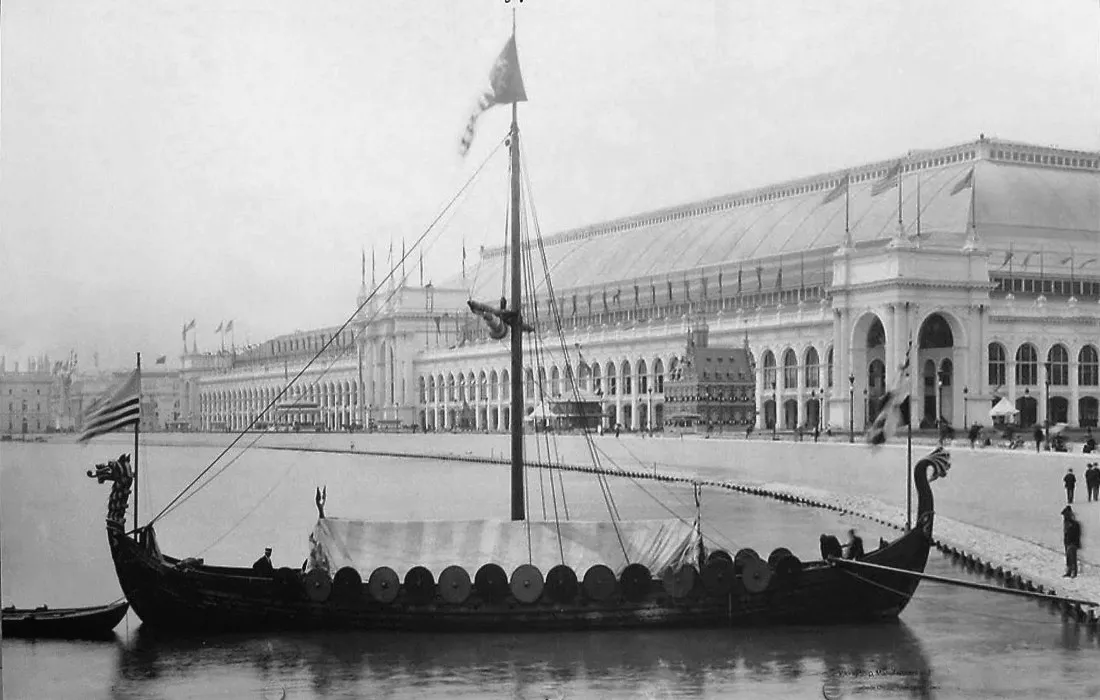
Viking, replica of the Gokstad Viking ship, at the Chicago World Fair 1893,
Wikimedia Commons
The Vikings were skilled sailors and explorers from Scandinavia who lived during the Middle Ages, from about 800 to 1100 CE. Their remarkable journeys across the sea were possible because of their expertly crafted longships. These ships had a unique, narrow shape, shallow draft, and strong wooden planks joined by iron rivets. The longship was designed for both speed and flexibility. It allowed the Vikings to travel across rough ocean waters, navigate shallow rivers, and even carry their vessels over land when needed.
Archaeological discoveries, such as the famous Oseberg and Gokstad ships found in Norway, give us important evidence about Viking shipbuilding. These ships, built in the 9th century, show advanced craftsmanship and careful attention to detail. The Oseberg ship, for example, was decorated with intricate carvings and measured about 21 meters long. The keel, or backbone of the ship, gave it strength, while the symmetrical design allowed it to reverse direction quickly. Vikings used both oars and a single, square sail to power their ships, making them effective for raids, trade, and exploration.
The Viking Age was marked by bold voyages to new lands. Around 860 CE, Vikings sailed west from Norway and settled Iceland, using their navigational skills to cross the cold North Atlantic. Later, explorers like Erik the Red led expeditions to Greenland, establishing settlements there by around 985 CE. Perhaps the most famous journey was made by Leif Erikson, who reached the shores of North America (called Vinland by the Vikings) around the year 1000 CE. Archaeological remains at L’Anse aux Meadows in Newfoundland, Canada, support these Norse voyages. These explorations showed the Vikings' ability to adapt to different environments and connect distant regions.
Viking ships were also essential for trade. The Vikings established trade routes stretching from their homelands in Scandinavia all the way to Constantinople (modern-day Istanbul). These routes allowed them to exchange goods like furs, amber, and weapons for silver, silk, and spices. The city of Birka in Sweden became an important trading center. Vikings often acted as both merchants and warriors, and their ships enabled them to travel quickly and surprise their rivals.
The impact of Viking ships and exploration was significant. Their voyages helped shape the medieval world by spreading ideas, technologies, and cultures across continents. The ability to travel long distances influenced settlement patterns, trade, and even the spread of the Norse language and religion. The legacy of Viking navigation continues to inspire historians and archaeologists today.
Viking ships serve as a powerful example of how humans use technology to overcome geographic challenges and expand their world. In studying Viking exploration, we learn about the connections between different societies and the ways people shaped world history.
Interesting Fact: Some Viking runestones, like the one at Rök in Sweden, contain inscriptions that mention faraway lands, showing just how far the Vikings traveled.
Comprehension quiz (8 questions)
1. What was a Viking longship?
2. Who led Vikings to Greenland?
3. Where did Leif Erikson land?
4. Which city became a trading center?
5. Why were longships important?
6. What did Vikings trade for silver and silk?
7. Viking ships helped shape medieval history. True or false?
8. What is a keel?
Perfect for the way you teach
- Build comprehension skills
- Auto-graded quiz
- Differentiated reading
- Read together at home
- Improve fluency
- Quiet reading time
- Reading curriculum support
- Independent practice
- Track Lexile growth