What Are Rivers
Interactive passage with audio narration, comprehension questions, and printable PDF.
By completing this purchase you agree to our Terms of Use and Privacy Policy. Your subscription renews automatically until you cancel. You can cancel anytime from your account settings. All sales are final and non-refundable. Digital content is available for download in your account immediately upon purchase.
What's included
What Are Rivers preview and details
About this printable What Are Rivers science reading passage, NGSS-aligned (Grades 5-8)
Sample passage and quiz from What Are Rivers
Reading passage and comprehension quiz preview
What Are Rivers
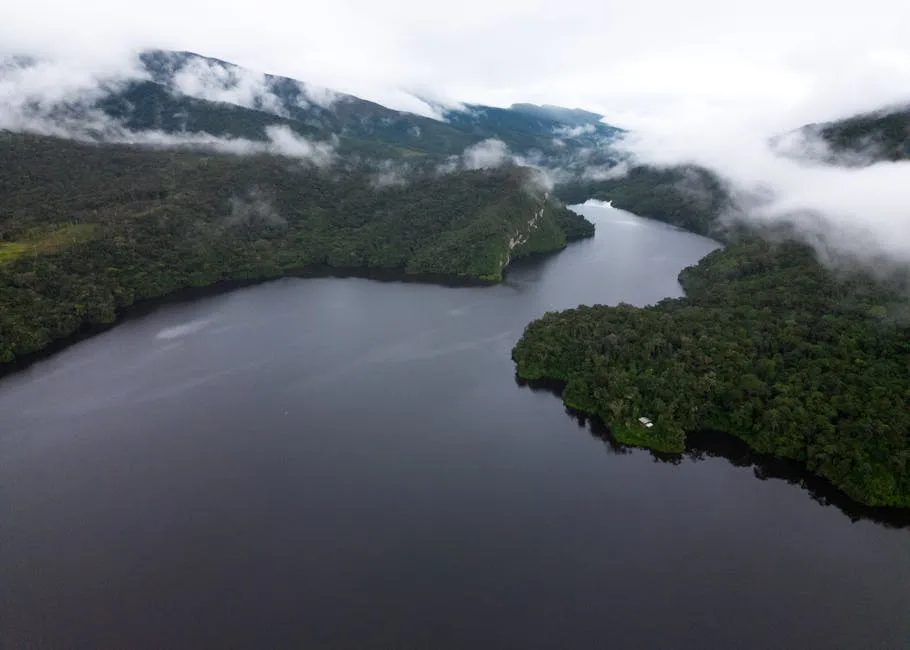
The Amazon River carries an enormous amount of water. Aerial shot of the Amazon River flowing through rainforest in Amazonas, Peru. Image by Edwin Malca Cerna / Pexels.
Rivers are freshwater bodies that flow continuously across Earth's surface. These natural waterways begin in high places such as mountains or underground springs. Gravity pulls the water downhill, creating a constant flow toward lower elevations. Most rivers eventually empty into oceans, though some flow into lakes or other rivers.
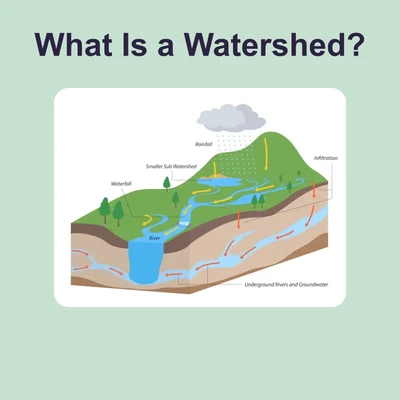
A river starts at its source, which can be melting snow, a spring, or a lake. As water flows downhill, it carves channels through rock and soil. Small streams called tributaries join together to form larger rivers. The area of land that drains into a river is called a watershed. Rivers shape the landscape through erosion, carrying sediment from mountains to lowlands. Scientists observe that rivers transport nutrients, minerals, and organic matter across vast distances.
Earth's longest rivers include the Nile in Africa, the Amazon in South America, the Yangtze in Asia, and the Mississippi in North America. The Amazon River carries an enormous amount of water. Evidence shows that this single river system transports about 20% of all river water flowing into Earth's oceans. This massive flow influences ocean currents and affects climate patterns in the Atlantic Ocean.
Rivers have supported human civilizations for thousands of years. Every major ancient civilization developed along a river because these waterways provided fresh water for drinking and farming. Rivers also served as transportation routes and food sources. Today, billions of people still depend on rivers for water, agriculture, and energy. Understanding rivers helps scientists explain how water moves through Earth's systems and shapes our planet's surface.
Interesting Fact: The Amazon River is so wide at some points that you cannot see from one side to the other. During the rainy season, it can stretch more than 30 miles across!
Comprehension quiz (10 questions)
1. Where do rivers typically begin?
2. What force causes rivers to flow downhill?
3. What is a tributary?
4. According to the passage, what percentage of all river water flowing into oceans comes from the Amazon River?
5. What is a watershed?
6. How do rivers shape the landscape?
7. Why did ancient civilizations develop along rivers?
8. Which of the following is NOT mentioned as one of Earth's longest rivers?
9. True or False: Most rivers eventually empty into oceans.
10. True or False: The Amazon River's massive flow has no effect on ocean currents or climate patterns.
Perfect for the way you teach
- Build comprehension skills
- Auto-graded quiz
- Differentiated reading
- Read together at home
- Improve fluency
- Quiet reading time
- Reading curriculum support
- Independent practice
- Track Lexile growth