This learning resource is available in interactive and printable formats. The interactive worksheet can be played online and assigned to students. The Printable PDF version can be downloaded and printed for completion by hand.
This world history reading passage introduces students to the Vikings, highlighting their roles as traders, explorers, and raiders from Scandinavia during the Middle Ages. The passage dispels common myths, provides insight into daily Viking life, and connects key historical developments with archaeological evidence and primary sources. Students will learn about the Vikings’ impact on Europe, their navigation skills, and their legacy, supported by activities including a timeline, glossary, and graphic organizers. The passage is aligned to CA HSS 6.6.7 and CCSS.RI.6.1 standards, and includes a Spanish translation and read aloud audio. This resource helps students analyze cause and effect, identify significant events, and build historical thinking skills in a rigorous yet accessible format.
CONTENT PREVIEW
Expand content preview
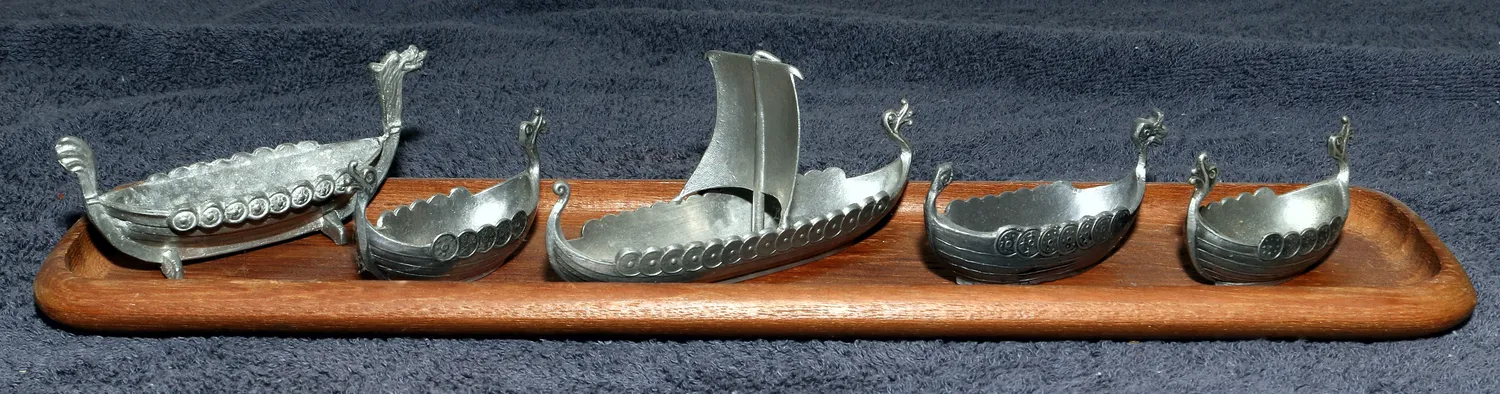
"Viking ships" by Hardyplants / Wikimedia Commons.
The Vikings were people from the Scandinavian countries of Norway, Sweden, and Denmark who lived during the Middle Ages, roughly between 750 and 1100 CE. Known for their remarkable skills in sailing, they traveled across the seas in long wooden ships. Today, Vikings are often remembered as fierce raiders, but they were also skilled traders, explorers, and farmers.
Viking society was organized into different social classes. At the top were jarls, or noble leaders. Beneath them were the karls, who were free farmers and craftsmen. At the bottom were thralls, people who were enslaved and did the hardest labor. Daily life for most Vikings included farming, fishing, and crafting tools and weapons. Archaeological evidence, such as the Oseberg Ship found in Norway, reveals the importance of ships in Viking culture. Written records, like the Anglo-Saxon Chronicle, describe Viking raids on English monasteries as early as 793 CE at Lindisfarne.
Vikings were not only raiders but also traveled great distances as explorers. They reached as far as Russia, the Middle East, and even North America. Archaeologists have discovered Viking settlements at L'Anse aux Meadows in Newfoundland, Canada, proving that they crossed the Atlantic around the year 1000 CE, centuries before Columbus. Vikings traded goods such as fur, amber, and iron for silver, silk, and spices. Their extensive trade networks helped spread ideas, technology, and culture across continents.
Many myths about Vikings come from later stories and Hollywood movies. For example, Vikings did not wear horned helmets in battle; this is a myth created in the 19th century. Most Vikings wore simple helmets or none at all. Their ships were impressive for their shallow bottoms, allowing them to travel up rivers and raid or trade in distant lands. Over time, many Vikings settled in the lands they once raided, such as Normandy in France, influencing European culture and politics.
The Vikings’ legacy is still felt today in place names, language, and even genetics across northern Europe. Their explorations changed the map of the world and connected distant peoples. By understanding the real history of the Vikings, we see how societies develop and interact across geography and time.
Interesting Fact: Some Viking warriors, called berserkers, were said to fight with such wild fury that their name gave us the modern word “berserk.”
Where did the Vikings come from?
ScandinaviaItalyEgyptIndia
What year did Vikings raid Lindisfarne?
793 CE1066 CE500 CE1200 CE
Which Viking class were free farmers?
karlsjarlsthrallspriests
Why were Viking ships important?
Helped explore and tradeUsed only as homesBuilt for farmingDecorative statues
What is a myth about Vikings?
They wore horned helmetsThey traded furThey settled NormandyThey farmed land
How did Vikings influence Europe?
Changed culture and politicsBrought new animalsBuilt pyramidsInvented writing
Vikings traveled to North America.
TrueFalse
What does 'archaeological' mean?
Study of old objectsMaking lawsFarming landBuilding ships
Perfect For:
👩🏫 Teachers
• Reading comprehension practice
• Auto-graded assessments
• Literacy skill development
👨👩👧👦 Parents
• Reading practice at home
• Comprehension improvement
• Educational reading time
🏠 Homeschoolers
• Reading curriculum support
• Independent reading practice
• Progress monitoring
Reading Features:
📖
Reading Passage
Engaging fiction or nonfiction text
❓
Comprehension Quiz
Auto-graded questions
📊
Instant Feedback
Immediate results and scoring
📄
Printable Version
Download for offline reading
🔊
Read Aloud
Voice-over with word highlighting
Reviews & Ratings
No reviews yet. Be the first to share your experience!
Related Content
Middle Ages Legacy
This history reading passage examines the lasting legacy of the Middle Ages, including the development of universities, ...
Early Middle Ages
This comprehensive reading passage explores the Early Middle Ages (500-1000 CE), a transformative period in European his...
High Middle Ages
This detailed world history reading passage explores the High Middle Ages (1000-1300 CE), a transformative era in Europe...
What Were the Middle Ages?
This engaging world history reading passage introduces students to the Middle Ages, the period in European history betwe...
Late Middle Ages
This rigorous world history reading passage explores the Late Middle Ages (1300-1500 CE), a time marked by the devastati...
Dark Ages
This passage offers a rigorous, engaging examination of why the early Middle Ages are often called the 'Dark Ages.' Stud...
Life in Middle Ages
This rigorous history reading passage explores life in Europe during the Middle Ages, focusing on the structure of feuda...
Medieval Islamic World
This rigorous reading passage delves into the Medieval Islamic World's golden age, when a vast civilization stretched fr...
Islamic Golden Age
This history reading passage explores the Islamic Golden Age, a period from the 8th to 14th centuries marked by outstand...
Medieval to Modern Transition
This engaging world history reading passage explores the dramatic transformation from the Middle Ages to the modern era,...
Medieval Words in English
This engaging history reading passage examines the evolution of the English language during the Middle Ages, focusing on...
Age of Exploration Begins
This engaging history reading passage explores the Age of Exploration, a turning point in world history when European po...
Italian City-States
This passage explores the rise and significance of the Italian city-states—Venice, Florence, and Genoa—during the Middle...
Attila the Hun
This engaging world history reading passage examines Attila the Hun, a powerful and feared ruler during the Middle Ages....
Medieval Guilds
This engaging world history reading passage explores the important role of guilds—worker groups that shaped the economy ...
Medieval Christian Worship
This detailed passage examines how people worshiped during the Middle Ages, focusing on essential religious practices su...
Power of the Pope
This history reading passage examines the power of the pope during the Middle Ages, focusing on his role as spiritual le...
Carolingian Renaissance
This engaging world history passage explores how Charlemagne, ruler of the Franks, transformed education and learning in...
Islamic Golden Age Inventions
This world history reading passage explores the remarkable inventions and scientific advances made in the medieval Islam...
Medieval Agricultural Innovations
This history reading passage explores how farming inventions like the heavy plow, three-field system, and horse collar r...