
Passage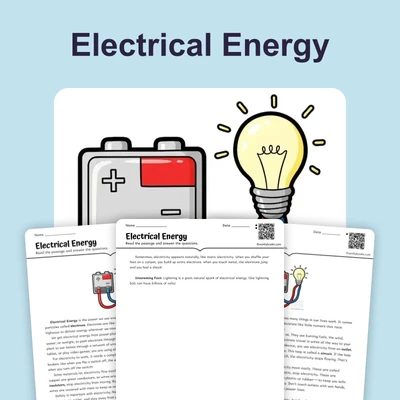
Grades 3–6
Electrical Energy
Reading Passage
$1.50

Explore our collection of Electricity and Circuits curriculum resources for grades K-8. These teacher-authored, classroom-ready materials include worksheets, reading passages, games, and activities that build understanding of electrical concepts from basic energy sources to complex circuit design. Some resources are free, with full access available through a membership.
Reading Passage
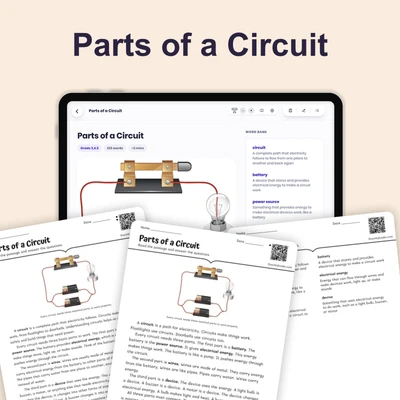
Reading Passage · NGSS 4-PS3-2
Reading Passage · NGSS 4-PS3-2
Reading Passage · NGSS 4-PS3-2
Reading Passage · NGSS 4-PS3-2
Reading Passage · NGSS 4-PS3-2
40% off until Aug 1
Reading Passage · NGSS 4-PS3-2
Reading Passage · NGSS 4-PS3-2
Reading Passage · NGSS 4-PS3-2
Reading Passage · NGSS 4-PS3-2
Reading Passage · NGSS 4-PS3-2
Reading Passage · NGSS 4-PS3-2
Reading Passage · MS-PS2-3
40% off until Aug 1
Reading Passage · MS-PS2-3
Reading Passage · MS-PS2-3
Reading Passage · MS-PS2-3
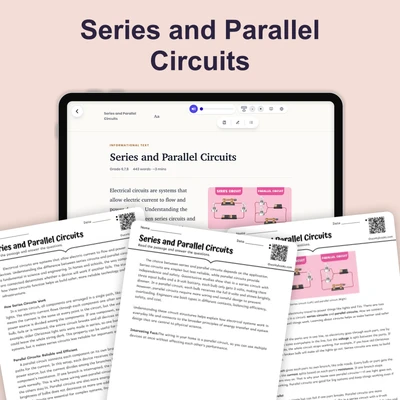
Reading Passage · MS-PS2-3
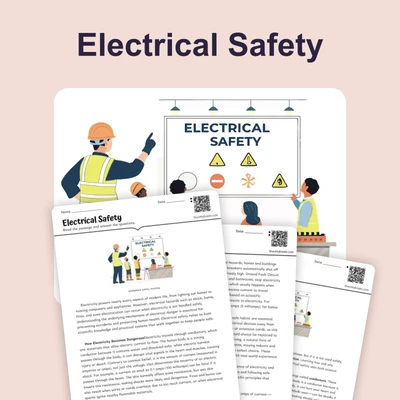
Reading Passage · MS-PS2-3
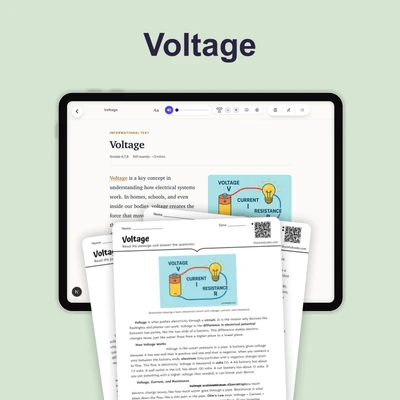
Reading Passage · MS-PS2-3
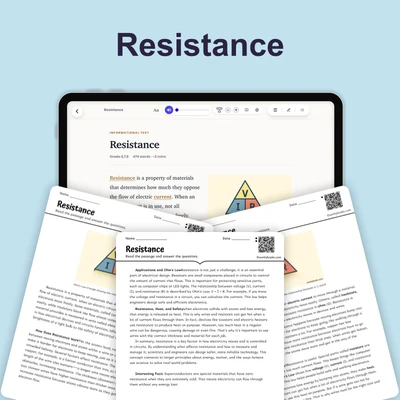
Reading Passage · MS-PS2-3
Reading Passage · MS-PS3-1
Three ways to use Workybooks — pick what fits.
In the earliest grades, students begin by exploring simple energy sources like batteries and bulbs, learning that electricity flows through a complete path. They experiment with basic circuits, identify conductors and insulators, and understand how switches control the flow of electricity. As students progress through upper elementary and into middle school, they deepen their understanding of series and parallel circuits, voltage, current, and resistance. They apply these concepts to solve problems, design circuits, and evaluate real-world applications like safety devices and electrical systems.
Related concepts covered across the grade range include static electricity, electromagnets, energy transfer, circuit diagrams, and electrical safety. Resources are scaffolded and differentiated to meet students where they are, with no-prep options for quick implementation. Students practice critical thinking, problem-solving, and hands-on investigation through a mix of printable and digital activities that support independent practice, small groups, and whole-class instruction.
Teachers can use this hub to find the right level for any class or student. For whole-group lessons, use a reading passage or game to introduce concepts. In small groups or centers, students can work on differentiated worksheets or build circuits with graphic organizers. Assign printable or digital activities for independent practice, homework, or review. Use the resources for intervention by selecting scaffolded versions, or for assessment with standards-aligned quizzes. The range of difficulty allows you to differentiate across a mixed-ability room, from introducing basic circuit components to challenging advanced students with complex circuit analysis.
These resources align with grade-level Common Core standards for science and engineering practices, as well as state-specific science standards for physical science and energy. They support key learning objectives across the K-8 grade band.
Yes, many of our Electricity and Circuits worksheets printable PDFs are available for download. You can print them for in-class use or assign digital versions through your learning platform. Some are free, and full access requires a membership.
Absolutely. Our Electricity and Circuits worksheets for kids span from kindergarten through 8th grade. Each resource is labeled with a suggested grade range so you can easily find the right level for your students.
In addition to worksheets, the hub includes reading passages, interactive games, hands-on activity ideas, and graphic organizers. These varied formats help you address different learning styles and instructional settings.
Each resource includes a grade-level recommendation and a brief description of the concepts covered. You can also preview sample pages. For mixed-ability classrooms, look for resources labeled as differentiated or scaffolded to support a range of learners.