Passage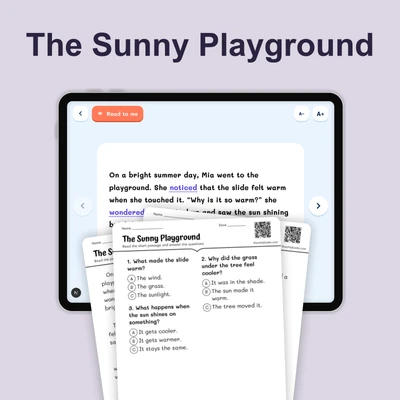
Grades K–2
Observing Sunlight and Heat
Reading Passage · K-PS3-1
$1.50

Explore our collection of Energy curriculum resources for grades K-8, including worksheets, reading passages, games, and activities. From sunlight and heat to electricity and circuits, these materials help students understand how energy works in the world around them. Whether you're teaching kindergarteners about the sun's warmth or guiding older students through energy transfer, you'll find no-prep, standards-aligned resources for every level.
Reading Passage · K-PS3-1
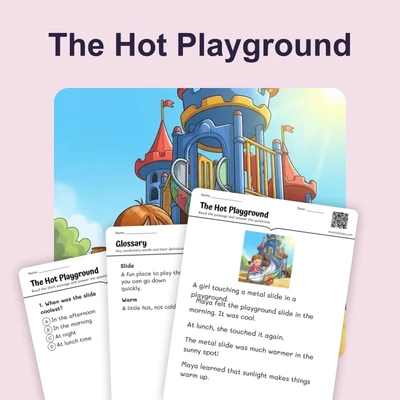
Reading Passage · K-PS3-1
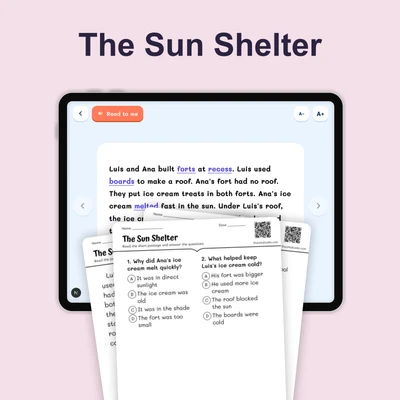
Reading Passage · K-PS3-2
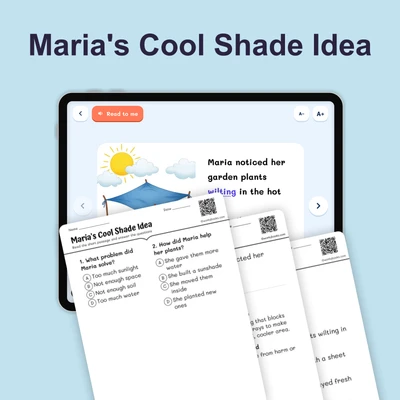
Reading Passage · K-PS3-2
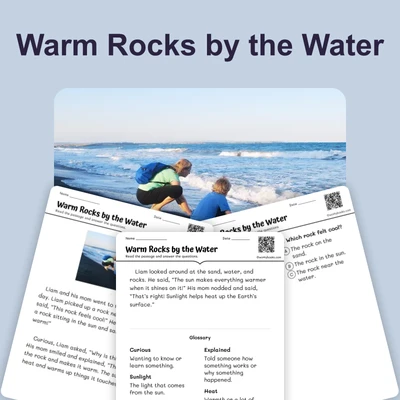
Reading Passage · K-PS3-1
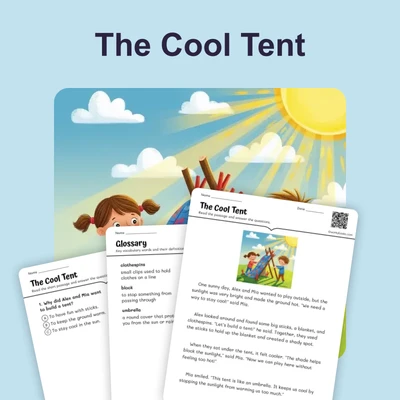
Reading Passage · K-PS3-1
40% off until Aug 1
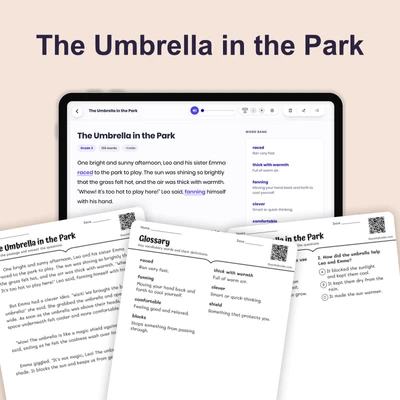
Reading Passage · K-PS3-1
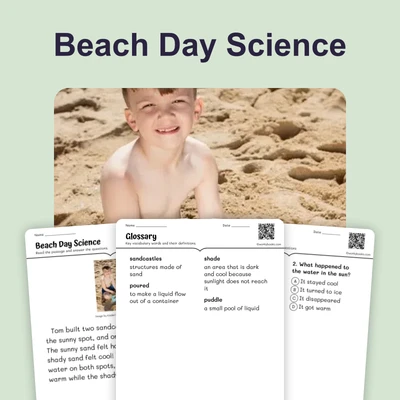
Reading Passage · K-PS3-1
Game
Reading Passage
Game
Reading Passage
Game
40% off until Aug 1
Reading Passage
Game
Reading Passage
Reading Passage
Reading Passage
Reading Passage
Reading Passage
40% off until Aug 1
Reading Passage
Reading Passage
Reading Passage
Reading Passage
Reading Passage
Reading Passage
Reading Passage
40% off until Aug 1
Reading Passage
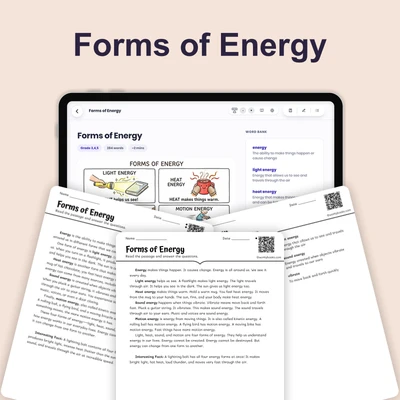
Reading Passage · NGSS 4-PS3-1
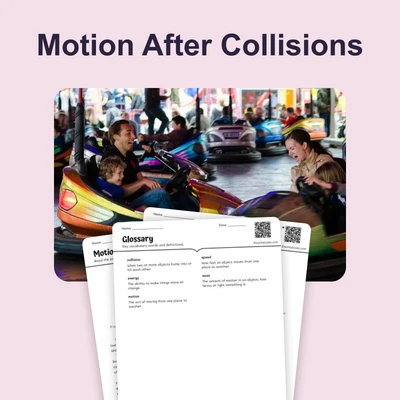
Reading Passage · NGSS 4-PS3-3

Reading Passage · NGSS 4-PS3-3
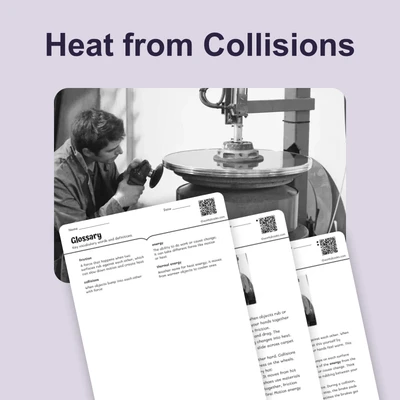
Reading Passage · NGSS 4-PS3-3

Reading Passage · NGSS 4-PS3-1
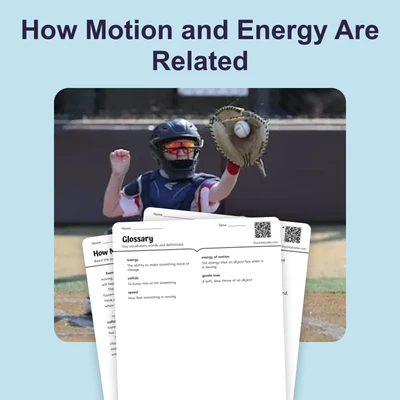
Reading Passage · NGSS 4-PS3-1
40% off until Aug 1
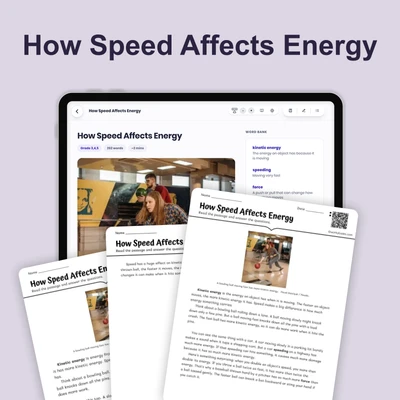
Reading Passage · NGSS 4-PS3-2
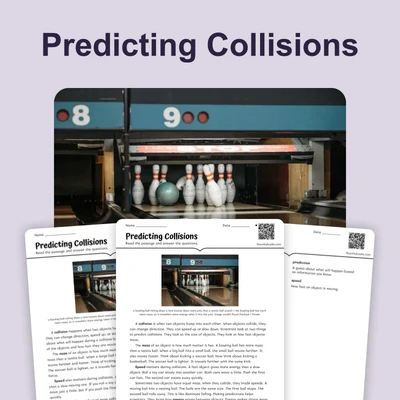
Reading Passage · NGSS 4-PS3-3
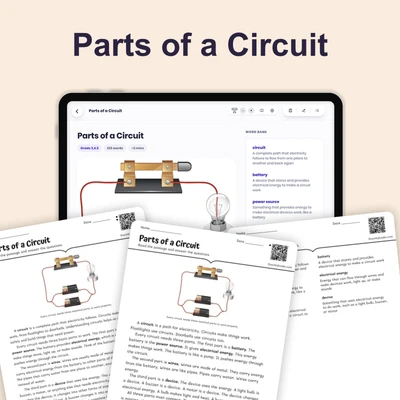
Reading Passage · NGSS 4-PS3-2
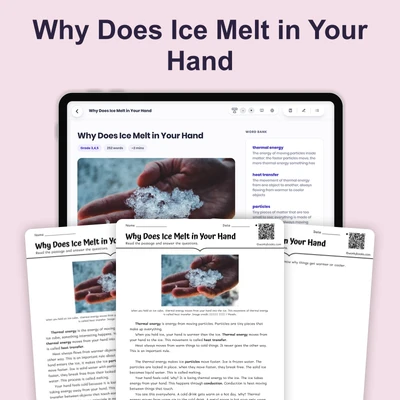
Reading Passage · NGSS 4-PS3-2
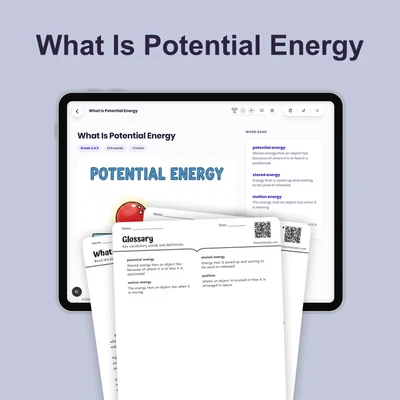
Reading Passage · NGSS 4-PS3-1
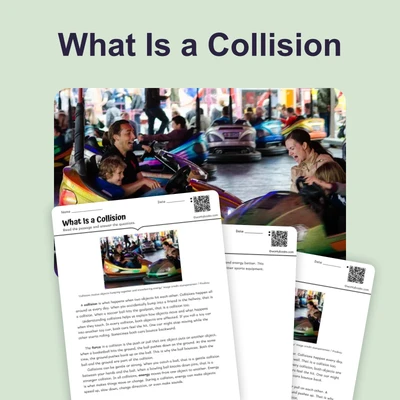
Reading Passage · NGSS 4-PS3-3
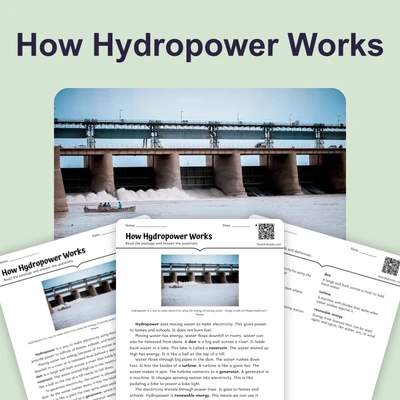
Reading Passage · NGSS 4-ESS3-1
40% off until Aug 1
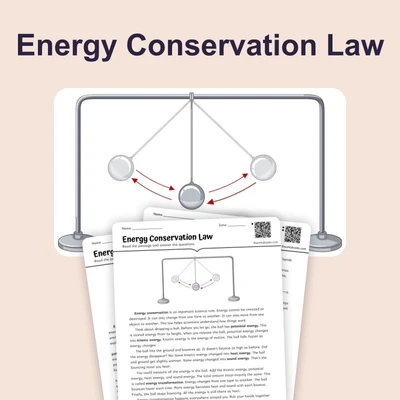
Reading Passage · NGSS 4-PS3-7
Reading Passage · NGSS 4-PS3-3
Reading Passage · NGSS 4-PS3-2
Reading Passage · NGSS 4-PS3-4
Reading Passage · NGSS 4-PS3-5
Reading Passage · NGSS 4-PS3-6
Reading Passage · NGSS 4-PS3-2
Reading Passage · NGSS 4-PS3-2
Reading Passage · NGSS 4-PS3-2
Three ways to use Workybooks — pick what fits.
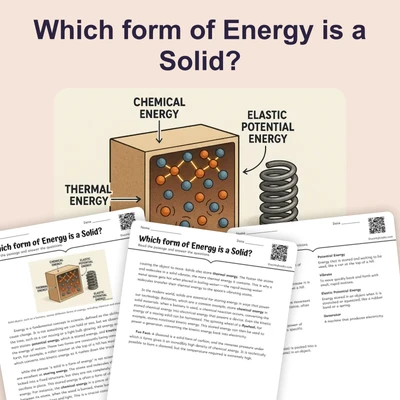
The concept of energy begins in kindergarten with simple observations of sunlight and heat. Students explore how the sun warms surfaces like playground slides and sand, and how shade keeps things cool. As they move into first and second grade, they investigate thermal energy more deeply, learning about heat transfer and how materials respond to temperature changes. By third and fourth grade, students expand their understanding to include forms of energy such as sound, motion, and electrical energy. They explore energy transfer through circuits and begin to classify energy types, such as which forms are solid or how energy moves from one object to another.
Our resources scaffold this progression, starting with relatable stories and hands-on activities about sunlight and shade, then building toward more abstract concepts like energy transfer and electricity. Topics include forms of energy, heat and thermal energy, energy transfer, and electricity and circuits. Students develop skills in observation, prediction, data collection, and engineering design as they explore real-world applications. The collection includes printable worksheets, digital activities, reading passages, and graphic organizers that support diverse learning styles and classroom settings.
Teachers can use this hub to differentiate instruction across a mixed-ability classroom. For whole-group lessons, choose a reading passage or activity that matches your grade level, then use the scaffolded resources to support struggling learners or challenge advanced students. Small groups can work on hands-on activities like building shade structures or exploring circuits, while independent practice and homework assignments reinforce key concepts. The printable worksheets and digital activities are ideal for literacy centers, intervention groups, or review sessions. Because resources span multiple grade levels, you can easily find materials for students who need extra support or enrichment, making this a versatile tool for any instructional setting.
These resources are aligned with grade-level Common Core standards for reading informational text and writing, as well as Next Generation Science Standards (NGSS) for energy topics across grades K-5. Specific standards addressed vary by resource and grade level.
Yes, many of our Energy worksheets are printable and ready for classroom use. You can download and print them directly from the site. Some resources are also available as digital activities for online learning. Note that while some worksheets are free, most require a paid Workybooks membership.
Absolutely. Our Energy worksheets for kids span kindergarten through 8th grade. Early grades focus on sunlight and heat, while upper elementary and middle school cover energy transfer, electricity, and circuits. Each resource is labeled with its target grade range so you can find the right level.
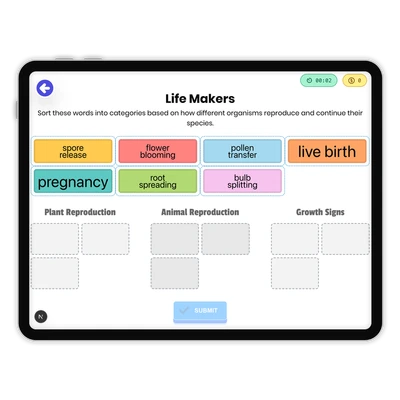
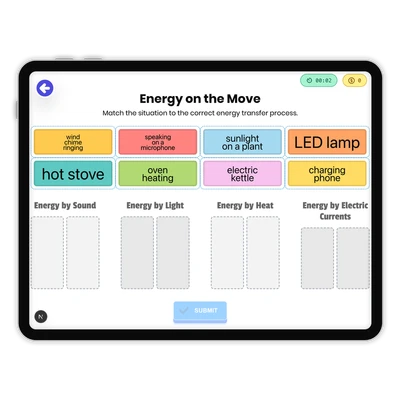
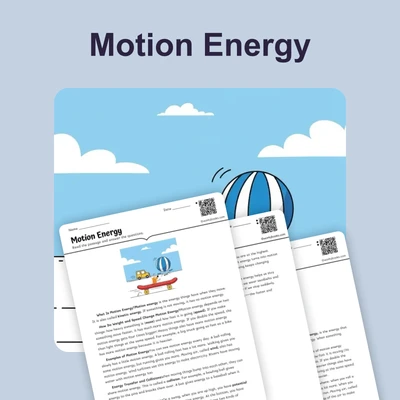
In addition to worksheets, the hub includes reading passages, hands-on activities, graphic organizers, and games. For example, you'll find stories about shade structures, experiments with sun shelters, and activities exploring motion energy and sound energy. These resources support diverse learning styles and instructional settings.
The hub makes differentiation easy. You can select resources from a lower grade for struggling students or from a higher grade for advanced learners. Many activities are scaffolded, and you can mix printable and digital formats to meet individual needs. Use them in small groups, centers, or as independent practice.