What Was the Cenozoic Era
Interactive passage with audio narration, comprehension questions, and printable PDF.
By completing this purchase you agree to our Terms of Use and Privacy Policy. Your subscription renews automatically until you cancel. You can cancel anytime from your account settings. All sales are final and non-refundable. Digital content is available for download in your account immediately upon purchase.
What's included
What Was the Cenozoic Era preview and details
About this printable What Was the Cenozoic Era science reading passage, NGSS-aligned (Grades 5-8)
Sample passage and quiz from What Was the Cenozoic Era
Reading passage and comprehension quiz preview
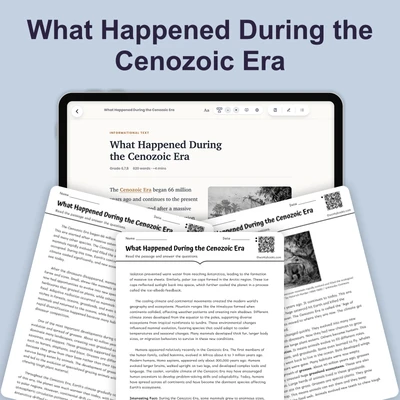
What Was the Cenozoic Era
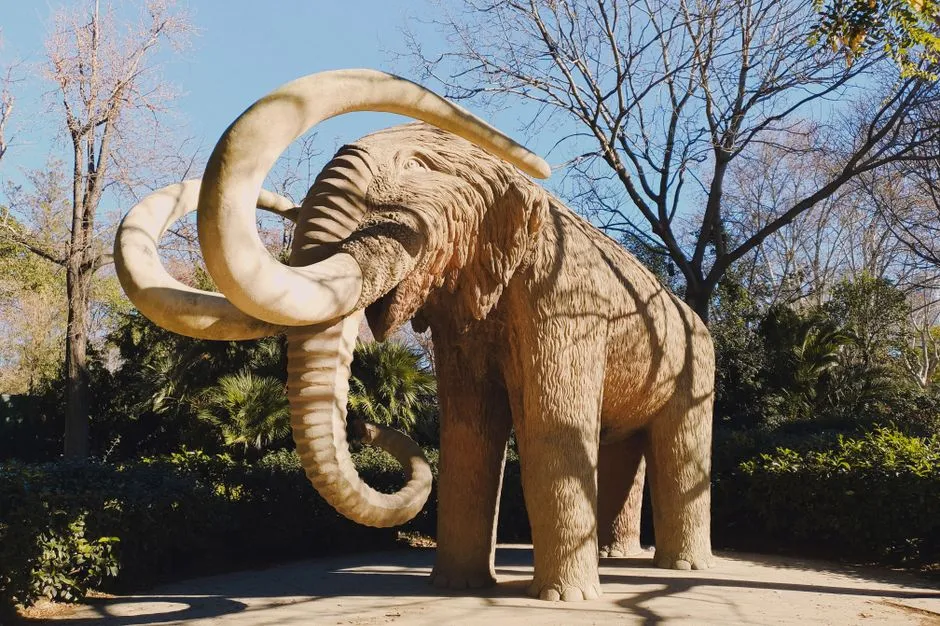
A large mammoth sculpture. Image by Aaron Porras / Pexels.
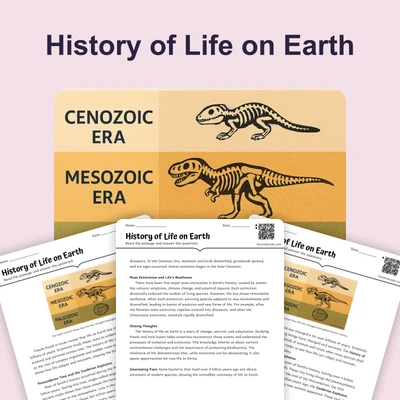
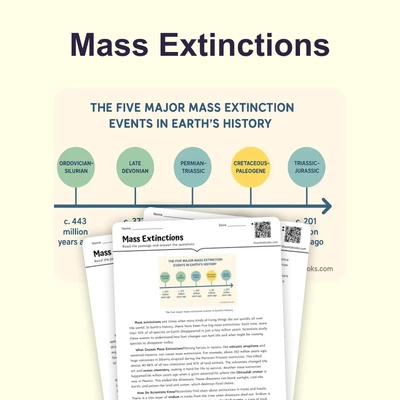
The Cenozoic Era is the current chapter of Earth's history. It began 66 million years ago and continues today. The name means "recent life" in Greek. This era started after a massive extinction event ended the age of dinosaurs. Scientists explain that this event created opportunities for other organisms to thrive.
Mammals were small and lived in the shadows during the dinosaur age. After dinosaurs disappeared, mammals began to diversify rapidly. They evolved into many different forms and sizes. Some became large herbivores that grazed on plants. Others became predators that hunted for food. Mammals filled ecological roles that dinosaurs once occupied. Evidence shows that this process took millions of years. Whales evolved from land mammals and returned to the oceans. Bats developed the ability to fly. Primates appeared in forests and eventually gave rise to humans.
Earth's surface changed dramatically during the Cenozoic Era. Continental drift moved landmasses into their current positions. India collided with Asia and formed the Himalayan Mountains. The Atlantic Ocean continued to widen as plates moved apart. These movements affected climate patterns around the world. Grasslands spread across many continents as the climate became cooler and drier. These open plains supported new types of grazing animals. Horses, camels, and elephants evolved to live in these environments.
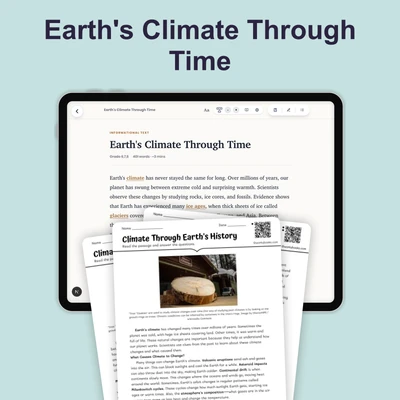
The Cenozoic Era experienced multiple ice ages. During these periods, massive ice sheets covered large portions of continents. Scientists observe that ice ages came and went in cycles. The most recent ice age ended only about 11,700 years ago. These climate changes shaped the evolution of many species. Animals developed thick fur and large bodies to survive cold conditions. Humans emerged in Africa during this era. They spread across the globe and adapted to many different environments.
The Cenozoic Era matters because it explains how our modern world formed. Continental positions determine ocean currents and weather patterns. The diversity of mammals provides food and resources for human societies. Understanding this era helps scientists predict how Earth may change in the future. Climate patterns from the past can inform our understanding of current climate changes.
Interesting Fact: During the early Cenozoic Era, a bird called Gastornis stood over six feet tall and may have been one of the top predators before large mammalian carnivores evolved.
Comprehension quiz (10 questions)
1. When did the Cenozoic Era begin?
2. What does the name 'Cenozoic' mean?
3. What is 'diversification' as described in the passage?
4. What does 'ecological roles' mean in the passage?
5. Why did mammals diversify rapidly after dinosaurs disappeared?
6. How did continental drift affect the Cenozoic Era?
7. What can scientists learn from studying the Cenozoic Era?
8. Which statement best explains why grasslands spread during the Cenozoic Era?
9. True or False: The Cenozoic Era ended when humans appeared.
10. True or False: Ice ages during the Cenozoic Era came and went in cycles.
Perfect for the way you teach
- Build comprehension skills
- Auto-graded quiz
- Differentiated reading
- Read together at home
- Improve fluency
- Quiet reading time
- Reading curriculum support
- Independent practice
- Track Lexile growth