Science · Curriculum resources

Forms of Energy Worksheets and Activities

Explore our comprehensive collection of Forms of Energy curriculum resources, designed for grades K-8. This hub offers printable and digital worksheets, activities, reading passages, games, and graphic organizers to help students understand energy concepts across multiple grade levels.

Passage
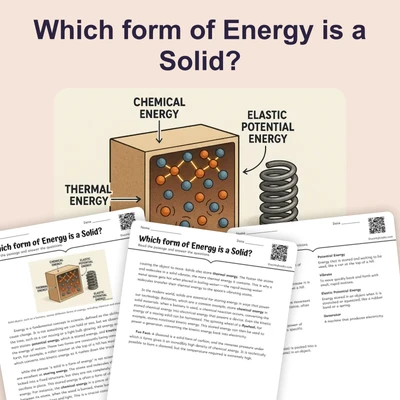
Which form of Energy is a Solid? - reading educational content
Grades 3–8

Which form of Energy is a Solid?

Reading Passage

$1.50

Passage
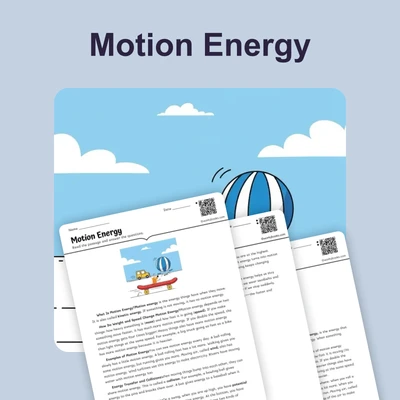
Motion Energy - reading educational content
Grades 3–6

Motion Energy

Reading Passage

$1.50
Passage
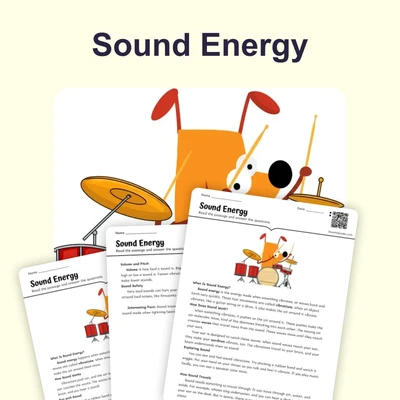
Sound Energy - reading educational content
Grades 3–6

Sound Energy

Reading Passage

$1.50
Passage
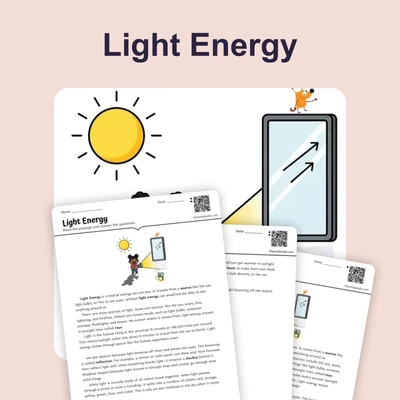
Light Energy  - reading educational content
Grades 3–6

Light Energy

Reading Passage

Free
Passage
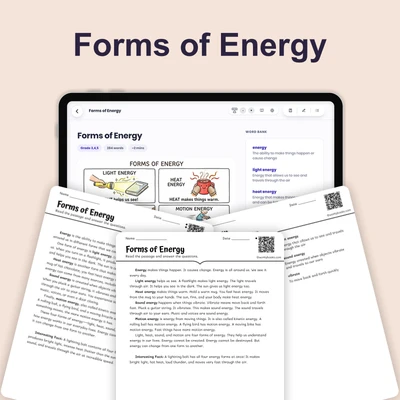
Forms of Energy  - reading educational content
Grades 3–5

Forms of Energy

Reading Passage · NGSS 4-PS3-1

$1.50
Passage
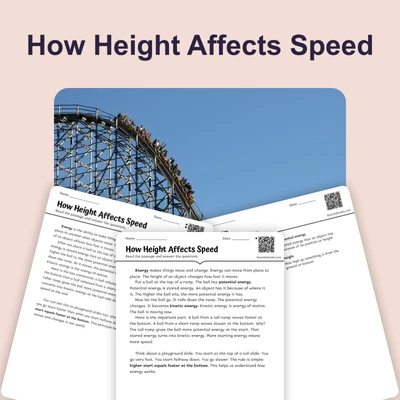
How Height Affects Speed - reading educational content
Grades 3–5

How Height Affects Speed

Reading Passage · NGSS 4-PS3-1

$1.50
Unlock more from Workybooks
Unlimited
$29.99/yr$49.99
  • All 10,000+ resources
  • Unlimited downloads
  • Cancel anytime
Or pay as you goFrom $1.50
See all plans

40% off until Aug 1

Passage
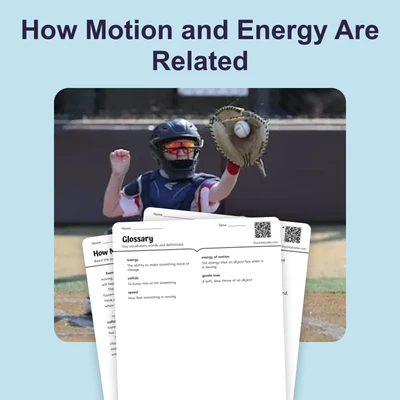
How Motion and Energy Are Related - reading educational content
Grades 3–5

How Motion and Energy Are Related

Reading Passage · NGSS 4-PS3-1

$1.50
Passage
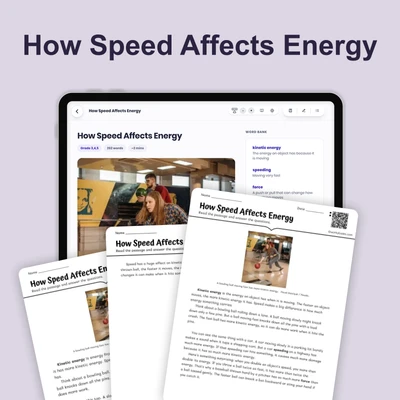
How Speed Affects Energy - reading educational content
Grades 3–5

How Speed Affects Energy

Reading Passage · NGSS 4-PS3-2

Free
Passage
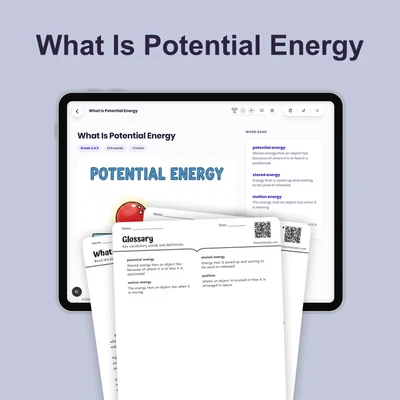
What Is Potential Energy - reading educational content
Grades 3–5

What Is Potential Energy

Reading Passage · NGSS 4-PS3-1

$1.50
Passage
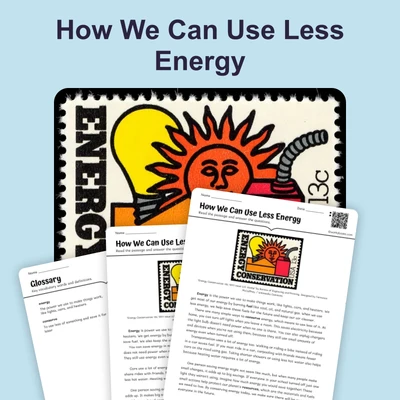
How We Can Use Less Energy - reading educational content
Grades 3–5

How We Can Use Less Energy

Reading Passage · NGSS 4-ESS3-1

$1.50
Passage
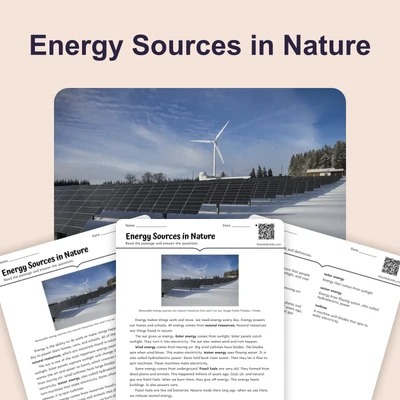
Energy Sources in Nature - reading educational content
Grades 3–5

Energy Sources in Nature

Reading Passage · NGSS 4-ESS3-1

$1.50
Passage
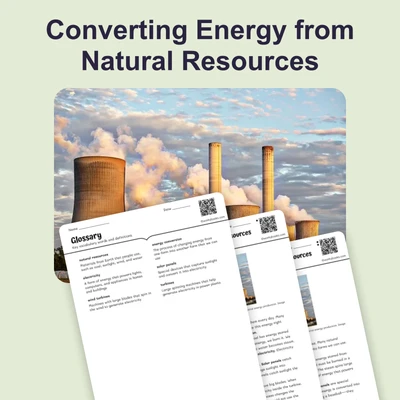
Converting Energy from Natural Resources - reading educational content
Grades 3–5

Converting Energy from Natural Resources

Reading Passage · NGSS 4-PS3-4

$1.50
Passage
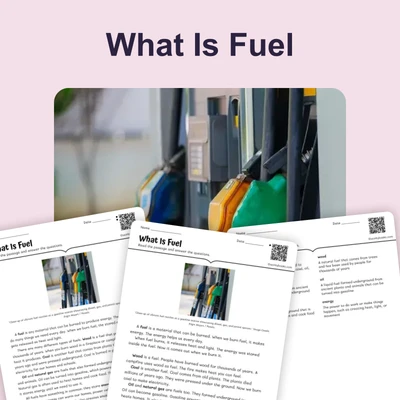
What Is Fuel - reading educational content
Grades 3–5

What Is Fuel

Reading Passage · NGSS 4-ESS3-1

$1.50
Unlock more from Workybooks
Unlimited
$29.99/yr$49.99
  • All 10,000+ resources
  • Unlimited downloads
  • Cancel anytime
Or pay as you goFrom $1.50
See all plans

40% off until Aug 1

Passage
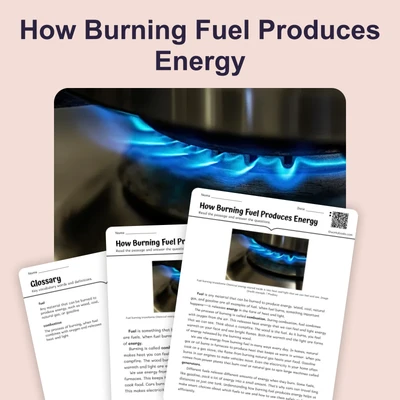
How Burning Fuel Produces Energy - reading educational content
Grades 3–5

How Burning Fuel Produces Energy

Reading Passage · NGSS 4-PS3-4

$1.50
Passage
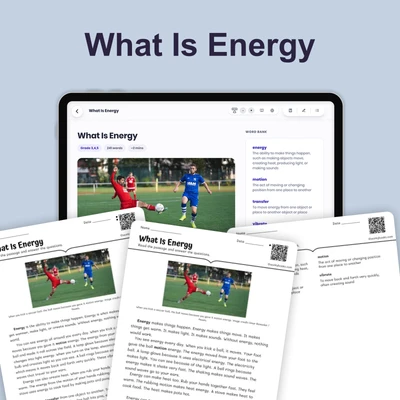
What Is Energy - reading educational content
Grades 3–5

What Is Energy

Reading Passage · NGSS 4-PS3-1

$1.50
Passage
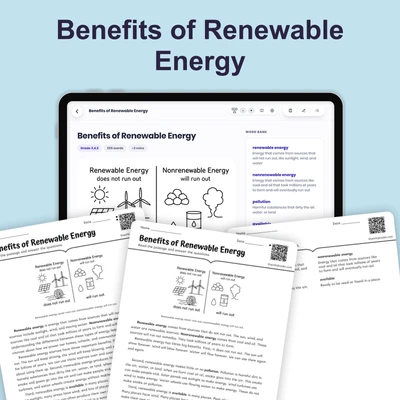
Benefits of Renewable Energy - reading educational content
Grades 3–5

Benefits of Renewable Energy

Reading Passage · NGSS 4-ESS3-1

$1.50
Passage
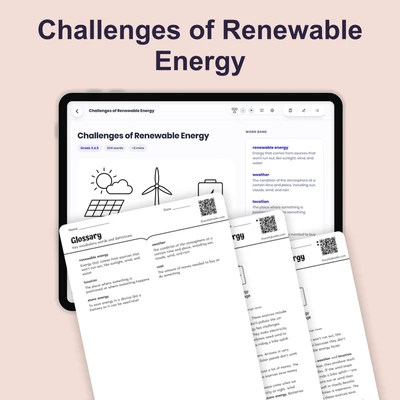
Challenges of Renewable Energy - reading educational content
Grades 3–5

Challenges of Renewable Energy

Reading Passage · NGSS 4-ESS3-1

$1.50
Passage
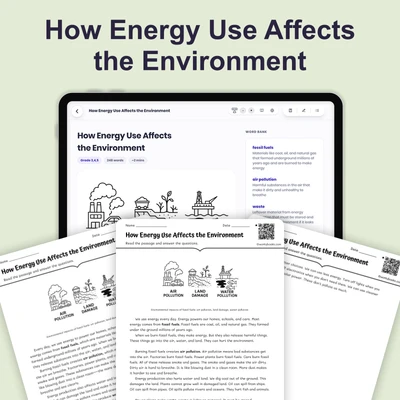
How Energy Use Affects the Environment - reading educational content
Grades 3–5

How Energy Use Affects the Environment

Reading Passage · NGSS 4-ESS3-1

$1.50
Passage
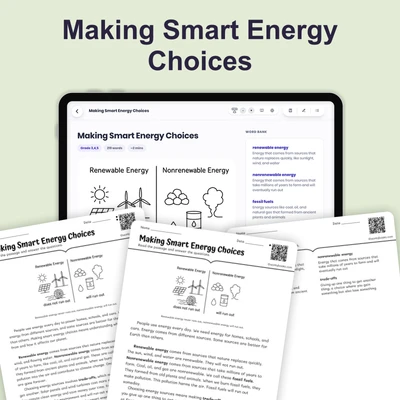
Making Smart Energy Choices - reading educational content
Grades 3–5

Making Smart Energy Choices

Reading Passage · NGSS 4-ESS3-1

$1.50
Passage
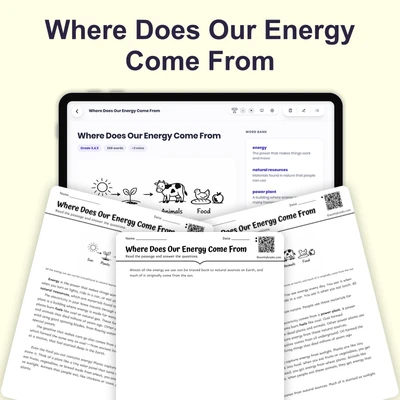
Where Does Our Energy Come From - reading educational content
Grades 3–5

Where Does Our Energy Come From

Reading Passage · NGSS 4-ESS3-1

$1.50
Unlock more from Workybooks
Unlimited
$29.99/yr$49.99
  • All 10,000+ resources
  • Unlimited downloads
  • Cancel anytime
Or pay as you goFrom $1.50
See all plans

40% off until Aug 1

Passage
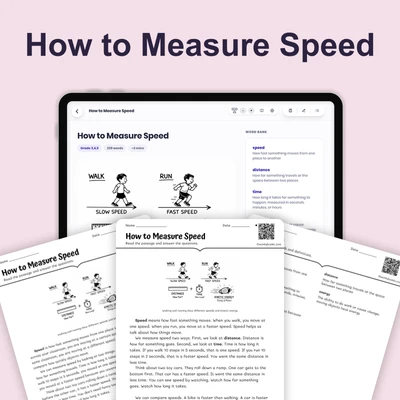
How to Measure Speed - reading educational content
Grades 3–5

How to Measure Speed

Reading Passage · NGSS 4-PS3-1

$1.50
Passage
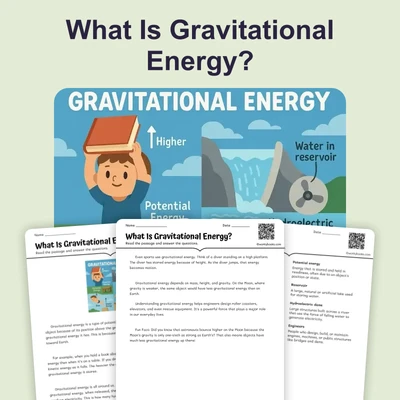
What Is Gravitational Energy? - reading educational content
Grades 5–8

What Is Gravitational Energy?

Reading Passage · MS-PS3-4

Free
Passage
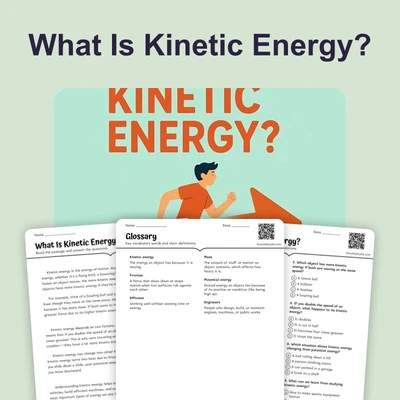
What Is Kinetic Energy? - reading educational content
Grades 5–8

What Is Kinetic Energy?

Reading Passage · MS-PS3-4

Free
Passage
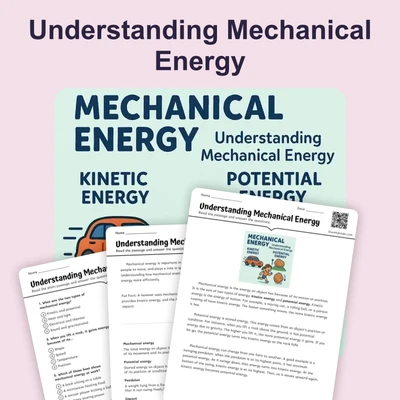
Understanding Mechanical Energy - reading educational content
Grades 5–8

Understanding Mechanical Energy

Reading Passage · MS-PS3-4

$1.50
Passage
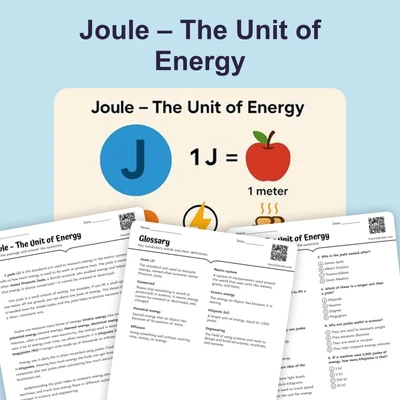
Joule – The Unit of Energy - reading educational content
Grades 5–8

Joule – The Unit of Energy

Reading Passage · MS-PS3-5

Free
Passage
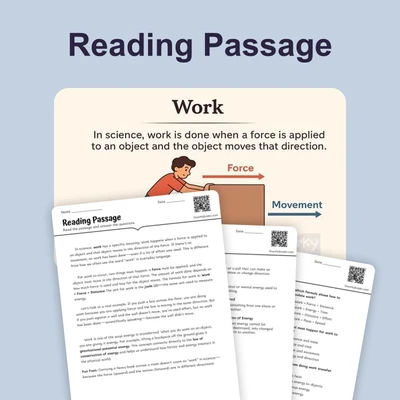
Work – A Scientific Definition - reading educational content
Grades 5–8

Work – A Scientific Definition

Reading Passage · MS-PS3-5

$1.50
Passage
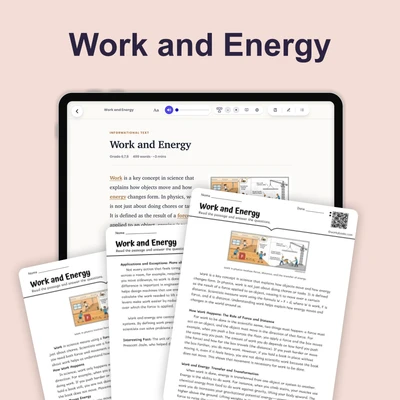
Work and Energy - reading educational content
Grades 5–8

Work and Energy

Reading Passage · MS-PS3-1

$1.50

Get more from Workybooks

Three ways to use Workybooks — pick what fits.

Start free
$0
No credit card required
  • Access to limited resources
  • 1 download & 1 Instant Assign by code per day
  • 30-day assignment history
Create a free account
Pay as you go
From $1.50
Per resource, one-time
  • Download and keep forever
  • Online access while account is active
  • No subscription, no auto-renew
Open any resource and click Buy.
Best value
Unlock everything
$49.99$29.99 / year
Summer sale • 40% off until Aug 1
Renews at $49.99/year.
All 10,000+ resources, unlimited use
  • Download any worksheet, reader or printable
  • Play every game and assign to classrooms
  • Cancel anytime, no ads
Start unlimited access
Cancel anytime · No ads · Trusted by 30,000+ teachers

About these Forms of Energy worksheets and activities

In the earliest grades, students explore Forms of Energy through observable phenomena like light, sound, heat, and motion. They learn that energy can be stored, transferred, and transformed. As students progress through upper elementary, they deepen their understanding of kinetic and potential energy, energy transfer, and conservation. Resources cover related concepts such as renewable and nonrenewable energy sources, energy transformations, and simple machines.

Our materials build essential skills including observation, classification, cause-and-effect reasoning, and data analysis. Students practice identifying energy forms in everyday contexts, describing energy changes, and conducting simple investigations. The progression ensures a solid foundation for middle school physical science concepts like the law of conservation of energy and energy efficiency.

Using these in your classroom

Teachers can use this hub to differentiate instruction across a mixed-ability classroom. Choose grade-appropriate worksheets and activities for whole-group lessons, then assign leveled versions for small groups or centers. Digital resources work well for independent practice or homework, while printable options support hands-on exploration and intervention. Use reading passages and graphic organizers for literacy centers, and games for review or assessment. The no-prep, standards-aligned materials are classroom-ready and ideal for homework, intervention, or enrichment.

Standards alignment

These resources align with Common Core State Standards for literacy in science and technical subjects, as well as Next Generation Science Standards (NGSS) for energy concepts across grades K-8. Specific grade-level standards are noted on each resource.

Frequently asked questions

Are these Forms of Energy worksheets printable?

Yes, many of our Forms of Energy worksheets are printable. Some resources are free, while others require a paid membership. You can print them for classroom use, homework, or small group activities.

Are these Forms of Energy worksheets for kids of all ages?

Yes, our Forms of Energy worksheets for kids span grades K-8. They are designed with age-appropriate content and complexity, from basic energy identification in kindergarten to energy transformations in middle school.

What types of resources are included besides worksheets?

In addition to worksheets, this hub includes reading passages, interactive games, hands-on activities, and graphic organizers. These resources support different learning styles and instructional settings.

How can I use these resources to differentiate instruction?

Each resource includes grade-level variations and scaffolded options. You can assign simpler versions for struggling learners and more complex tasks for advanced students. Mix printable and digital formats to meet individual needs.