
Passage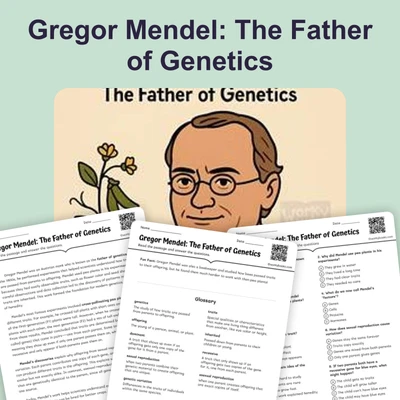
Grades 5–8
Gregor Mendel: The Father of Genetics
Reading Passage · MS-LS3-1
Free

Explore our collection of Traits and Variation curriculum resources for grades K-5. These printable and digital worksheets, games, reading passages, and activities help students understand how traits are inherited and how variation occurs within species. Whether you need no-prep materials for a single lesson or a full unit, this hub offers resources that grow with your students.
Reading Passage · MS-LS3-1
Reading Passage · MS-LS3-1
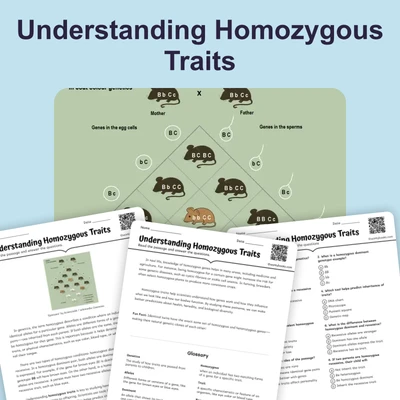
Reading Passage · MS-LS3-1
Reading Passage · MS-LS3-1
Reading Passage · MS-LS3-1
Reading Passage · MS-LS3-1
40% off until Aug 1
Reading Passage · MS-LS3-1
Reading Passage · MS-LS3-1
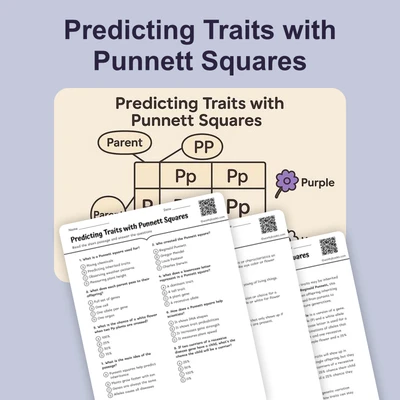
Reading Passage · MS-LS3-1
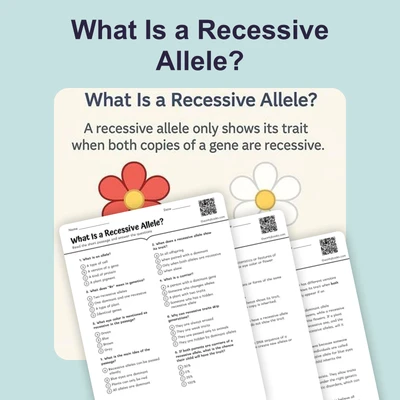
Reading Passage · MS-LS3-1
Reading Passage · MS-LS3-1
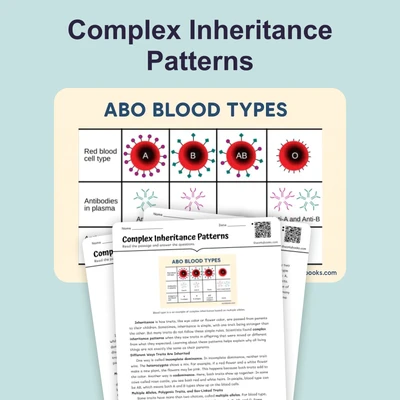
Reading Passage · MS-LS3-2
Reading Passage · MS-LS3-2
40% off until Aug 1
Reading Passage · MS-LS3-2
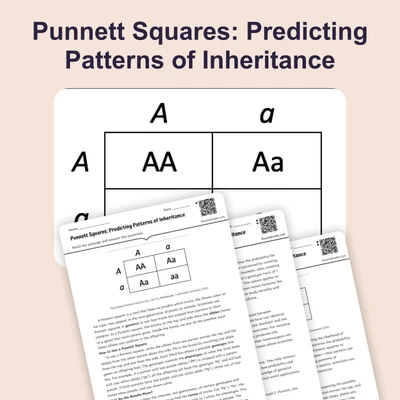
Reading Passage · MS-LS3-2
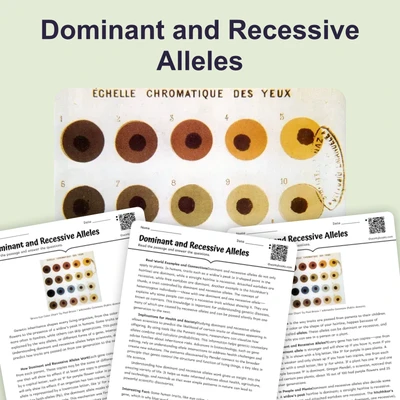
Reading Passage · MS-LS3-2
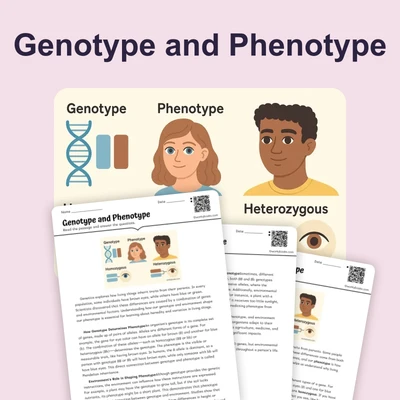
Reading Passage · MS-LS3-1
Reading Passage · MS-LS3-1
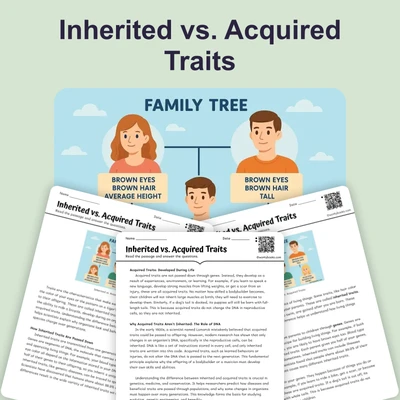
Reading Passage · MS-LS3-1
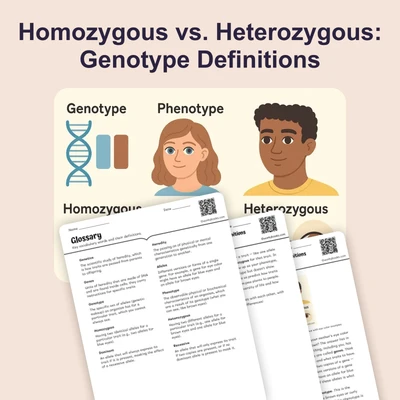
Reading Passage
Reading Passage
Reading Passage
Three ways to use Workybooks — pick what fits.
In the earliest grades, students begin by observing and describing physical traits in plants and animals, such as fur color, leaf shape, or eye color. They learn that offspring resemble their parents but are not identical, introducing the concept of variation. As students move into upper elementary, they explore how traits are passed from parents to offspring, distinguish between inherited and acquired traits, and examine how variation can affect survival. Related concepts such as adaptations, heredity, and natural selection are woven into reading passages and graphic organizers, building a foundation for middle school life science.
Across the K-5 span, skills progress from simple observation and sorting to analyzing data and making predictions. Students practice comparing traits within and across species, using evidence to explain why individuals vary, and connecting variation to environmental factors. Our resources include scaffolded worksheets for independent practice, interactive games for small groups, and differentiated activities for intervention or enrichment. All materials are teacher-authored and classroom-ready, with some free options available for trial.
Teachers can use this hub to find the right level for any class by filtering resources by grade or skill. In a mixed-ability room, choose differentiated versions of the same activity: one for students needing support and one for advanced learners. Use the printable worksheets for independent practice or homework, and assign digital games for literacy centers or small groups. Reading passages work well for whole-group instruction or intervention, while graphic organizers support review and assessment. The variety of formats allows you to mix and match for a complete unit on traits and variation.
These resources align with Common Core standards for reading informational text and with Next Generation Science Standards for life science across grades K-5. Specific grade-level expectations for heredity and variation are addressed in each resource.
Yes, many of our Traits and Variation worksheets printable resources are available as PDFs for easy printing. Some resources are free, while others require a membership. You can also use the digital versions on any device.
Yes, our Traits and Variation worksheets for kids span grades K-5. Each resource is labeled with a suggested grade range, so you can pick the right level for your students. We offer scaffolded versions to support differentiation.
This hub includes reading passages, interactive games, graphic organizers, and hands-on activities. You will find materials for whole-group lessons, small groups, centers, and independent practice.
Students observe and compare traits in plants and animals, explore how offspring differ from parents, and learn why variation matters for survival. Activities include sorting, data analysis, and real-world examples to build a deep understanding.