
Passage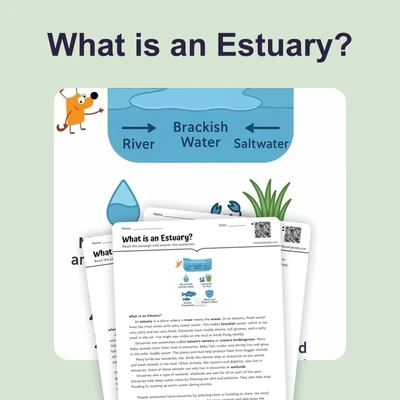
Grades 3–6
What is an Estuary?
Reading Passage
$1.50

Explore our comprehensive library of Water Systems curriculum resources for grades K to 8. From worksheets and games to reading passages and activities, find no-prep, standards-aligned materials that build understanding of water cycles, watersheds, and conservation across elementary and middle school.
Reading Passage
Reading Passage
Reading Passage
Reading Passage
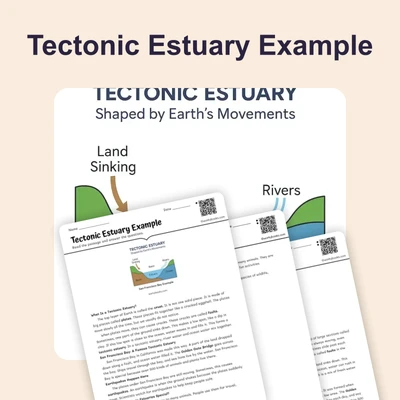
Reading Passage
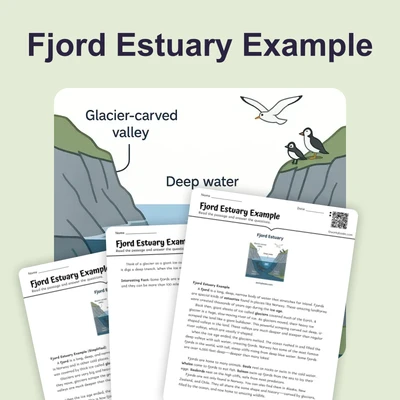
Reading Passage
40% off until Aug 1
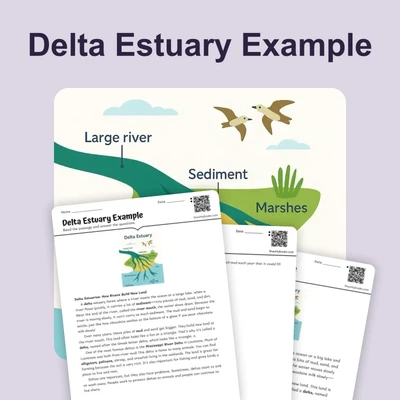
Reading Passage
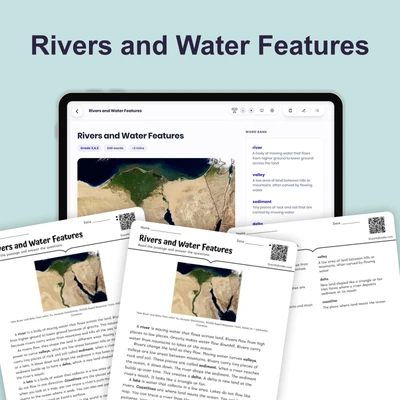
Reading Passage · NGSS 4-ESS2-2
Reading Passage
Reading Passage · RI.5.5
Reading Passage · RI.5.3
Reading Passage · RI.5.3
Reading Passage · RI.5.3
40% off until Aug 1
Reading Passage · RI.5.3
Reading Passage · RI.5.3
Reading Passage · RI.5.3
Reading Passage · RI.5.5
Reading Passage · RI.5.3
Reading Passage · RI.5.5
Reading Passage · RI.5.3
40% off until Aug 1
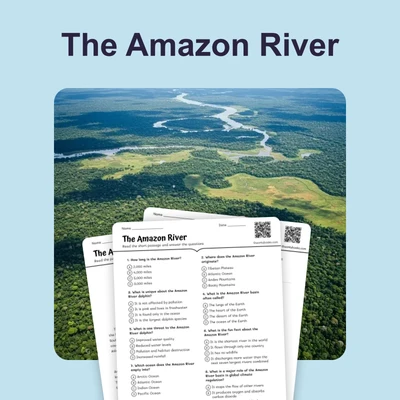
Reading Passage · RI.5.3
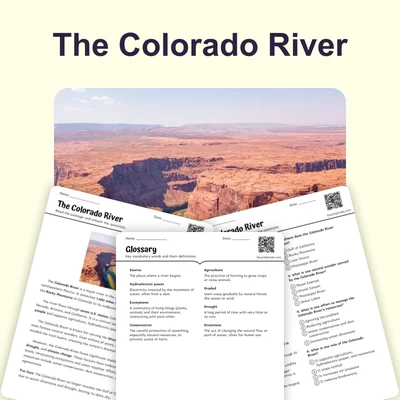
Reading Passage · RI.5.5
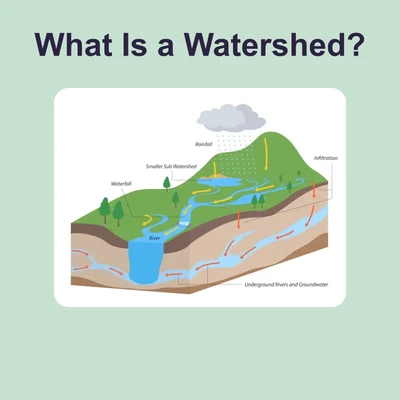
Reading Passage · MS-ESS2-4
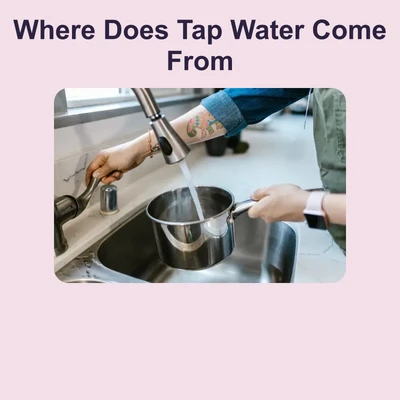
Reading Passage · MS-ESS3-1
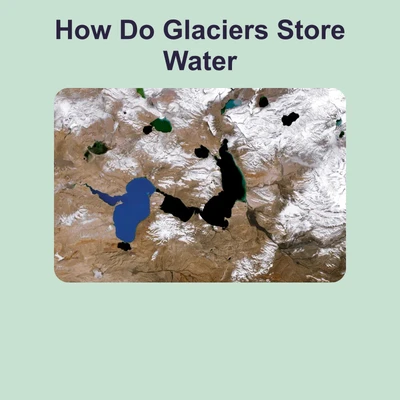
Reading Passage · MS-ESS2-4
Reading Passage · MS-ESS2-4
Reading Passage · MS-ESS2-4
40% off until Aug 1
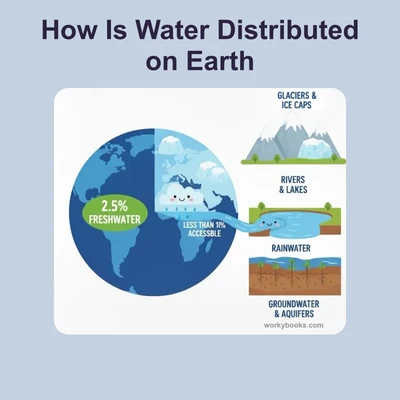
Reading Passage · MS-ESS2-4
Reading Passage · MS-ESS2-4
Reading Passage · MS-ESS2-4
Reading Passage · MS-ESS3-1
Reading Passage · MS-ESS2-4
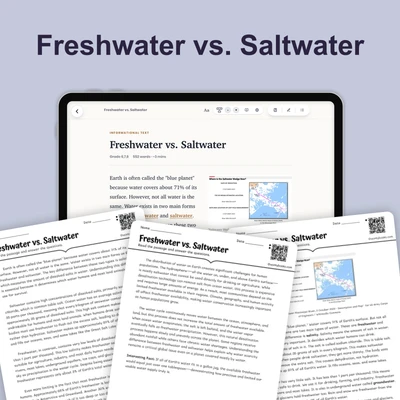
Reading Passage · MS-ESS2-4
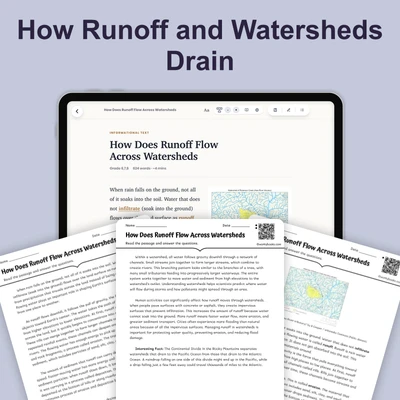
Reading Passage · MS-ESS2-4
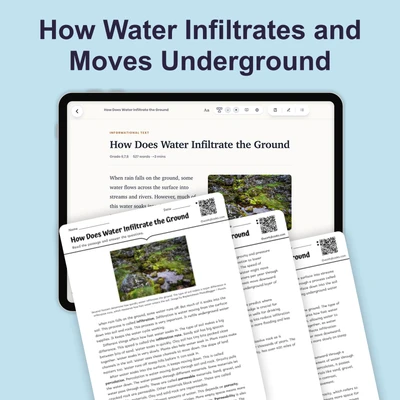
Reading Passage · MS-ESS2-4
Three ways to use Workybooks — pick what fits.
Water Systems concepts begin in early elementary with the water cycle - evaporation, condensation, precipitation, and collection. Students learn about states of water and how it moves through the environment. As they progress into upper grades, the focus deepens to include watersheds, groundwater, surface water, pollution, and human impact on water resources. Related concepts such as the water cycle, bodies of water (rivers, lakes, oceans), water conservation, and water treatment are woven throughout.
Our resources are scaffolded to support this progression: younger students use simple diagrams and sorting activities, while older students analyze data, read informational texts, and design solutions. Teacher-authored and classroom-ready, these materials include differentiated versions for varied reading levels and skill needs. Whether you are introducing the water cycle in grade 2 or exploring water sustainability in grade 7, you will find engaging, standards-aligned resources that make learning meaningful.
Teachers can use this hub to select the right level for their class, then differentiate across a mixed-ability room by choosing resources at different complexity levels. Use the same concept with varied formats: whole-group reading passages, small-group games, and independent worksheets. Assign printable Water Systems worksheets for homework or literacy centers, and use digital activities for intervention or review. The collection also supports assessment with graphic organizers and open-ended questions. Mix and match across printable and digital to meet every instructional setting from whole group to one-on-one.
These resources are designed to align with grade-level Common Core State Standards for reading informational text, writing, and speaking and listening, as well as Next Generation Science Standards (NGSS) for Earth and Human Activity and Earth's Systems across grades K-8.
Yes, many of our Water Systems worksheets are printable and ready to use in your classroom. You can print them for hands-on activities, homework, or centers. Some resources are also available in digital format for online learning. Note that while some resources are free, most require a paid membership to access the full library.
Absolutely. Our Water Systems worksheets for kids span grades K to 8, with content tailored to each grade band. Early grades focus on the water cycle and states of water, while upper grades explore watersheds, pollution, and conservation. Each resource is labeled with a suggested grade range so you can find the right fit.
Each resource comes with multiple versions or suggested modifications. For example, a reading passage may have a simplified version for struggling readers and an extended version for advanced students. You can assign different worksheets to small groups or use graphic organizers as scaffolds. This makes it easy to meet diverse needs in one classroom.
In addition to worksheets, our Water Systems collection includes interactive games, reading passages, graphic organizers, and hands-on activity ideas. You will find everything from cut-and-paste water cycle diagrams to data analysis tasks about local water use. The variety supports different learning styles and keeps students engaged.