
Passage
Grades 3–6
What is an Estuary?
Reading Passage
$1.50

Explore our collection of Surface Processes curriculum resources for grades K-8. This hub brings together worksheets, activities, reading passages, games, and graphic organizers to help students understand how Earth's surface changes over time. Whether you teach weathering and erosion or map reading, you'll find materials that grow with your students across grade levels.
Reading Passage
Reading Passage
Reading Passage
Reading Passage
Reading Passage
Reading Passage
40% off until Aug 1
Reading Passage
Reading Passage
Reading Passage
Reading Passage
Reading Passage
Reading Passage
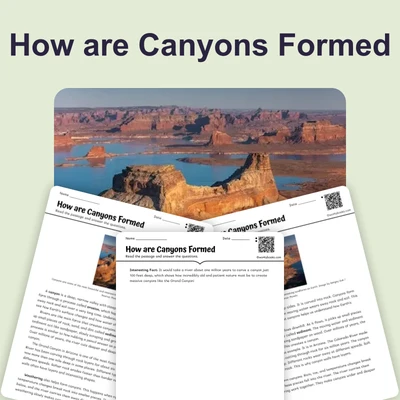
Reading Passage
40% off until Aug 1
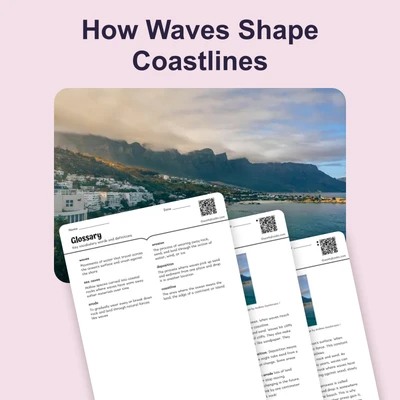
Reading Passage
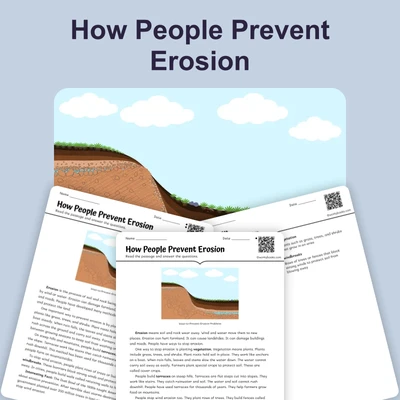
Reading Passage
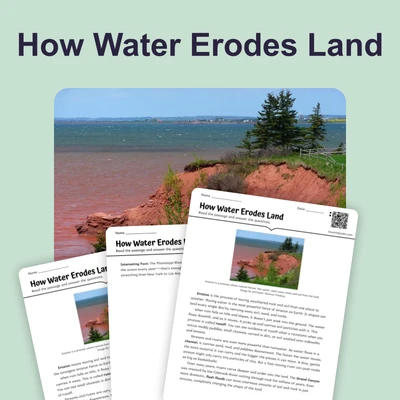
Reading Passage
Reading Passage
Reading Passage
Reading Passage
Reading Passage · NGSS 4-ESS2-2
40% off until Aug 1
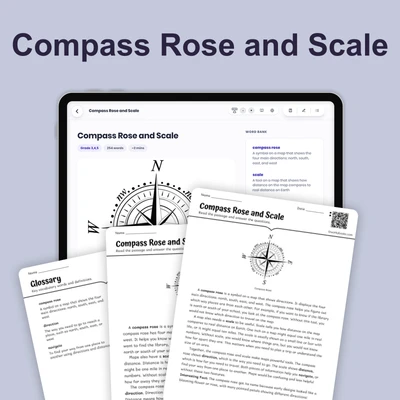
Reading Passage · NGSS 4-ESS2-2
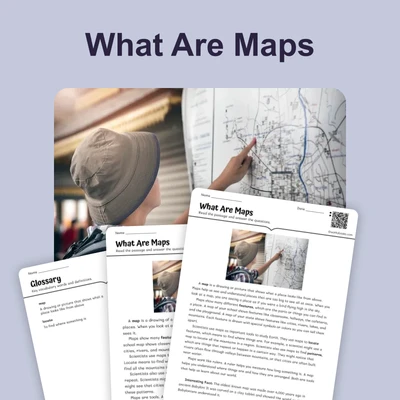
Reading Passage · NGSS 4-ESS2-2
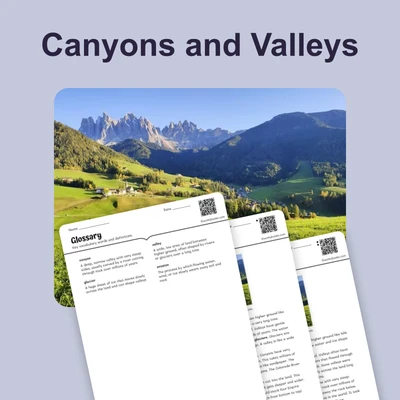
Reading Passage · NGSS 4-ESS2-2
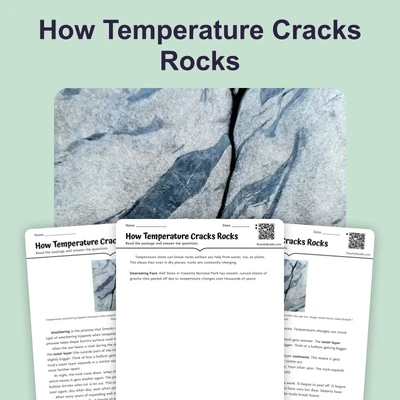
Reading Passage · NGSS 4-ESS2-1
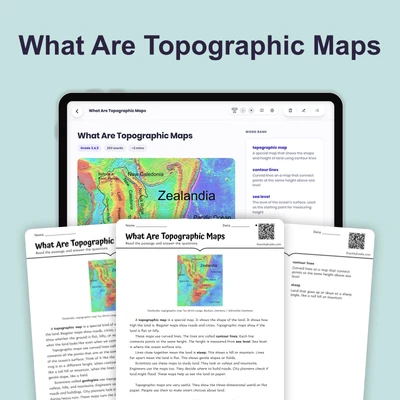
Reading Passage · NGSS 4-ESS2-2
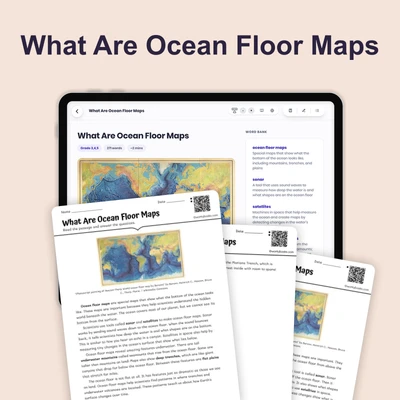
Reading Passage · NGSS 4-ESS2-2
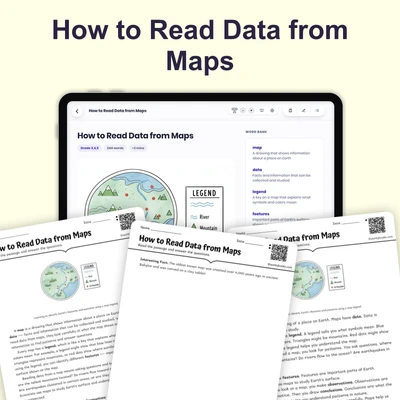
Reading Passage · NGSS 4-ESS2-2
40% off until Aug 1
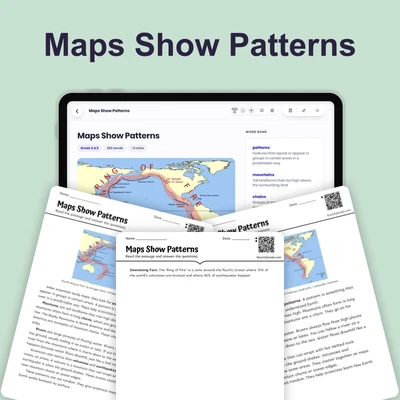
Reading Passage · NGSS 4-ESS2-2
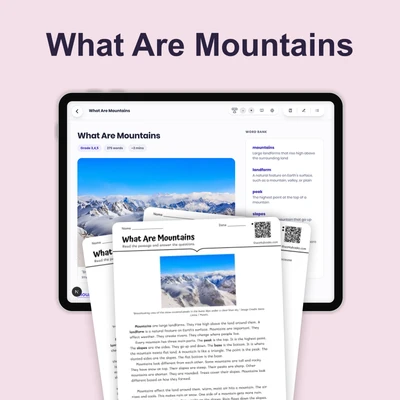
Reading Passage · NGSS 4-ESS2-2
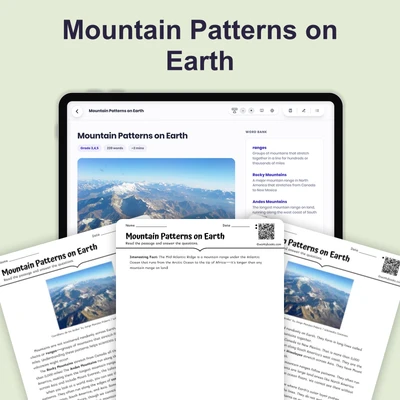
Reading Passage · NGSS 4-ESS2-2
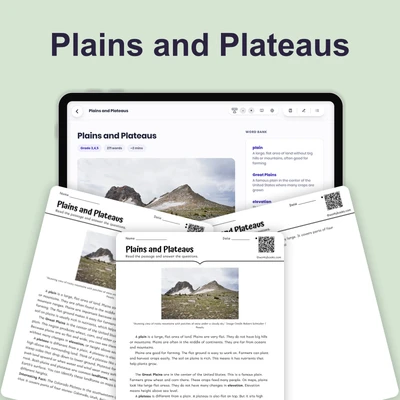
Reading Passage · NGSS 4-ESS2-2
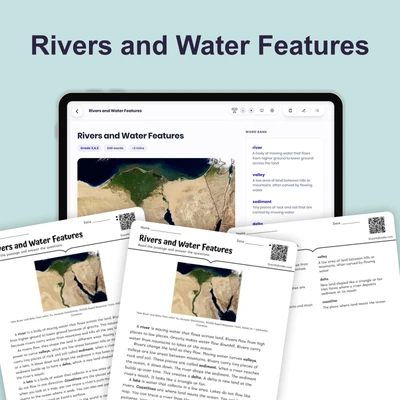
Reading Passage · NGSS 4-ESS2-2
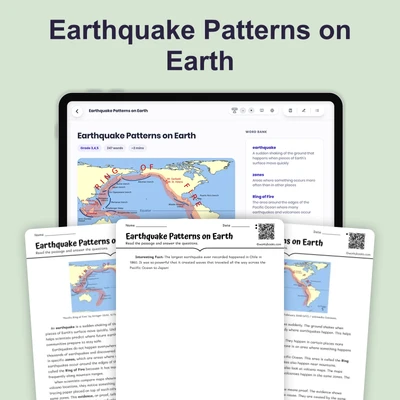
Reading Passage · NGSS 4-ESS2-2
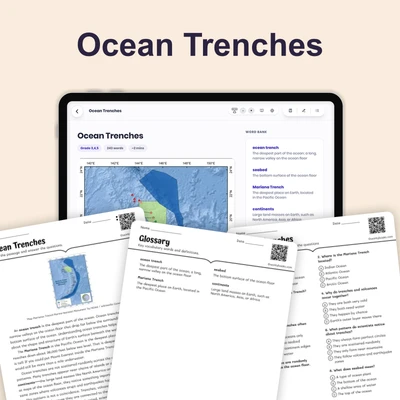
Reading Passage · NGSS 4-ESS2-2
40% off until Aug 1
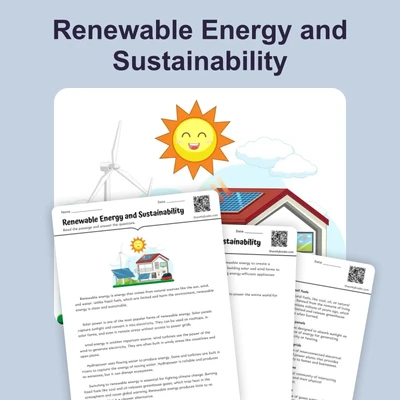
Reading Passage
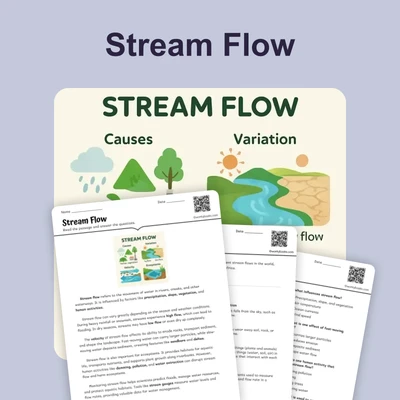
Reading Passage · RI.5.5
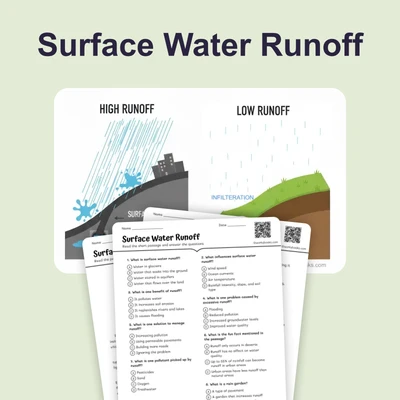
Reading Passage · RI.5.3
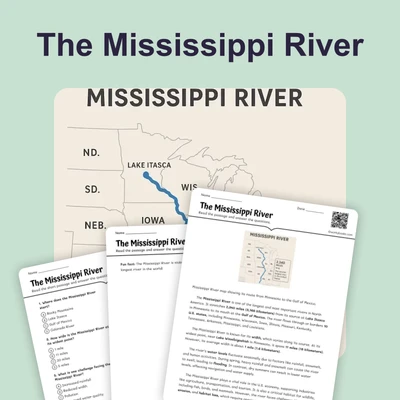
Reading Passage · RI.5.3
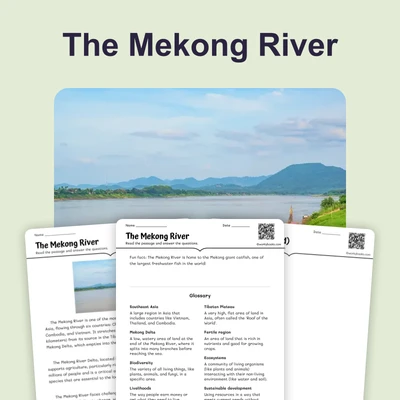
Reading Passage · RI.5.3
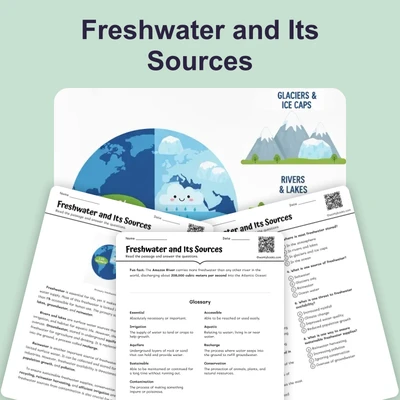
Reading Passage · RI.5.3
Reading Passage · RI.5.3
40% off until Aug 1
Reading Passage · RI.5.3
Reading Passage · RI.5.5
Reading Passage · RI.5.3
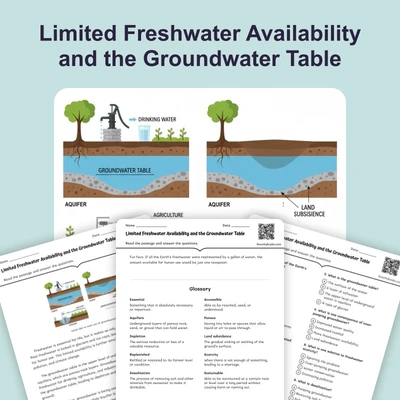
Reading Passage · RI.5.5
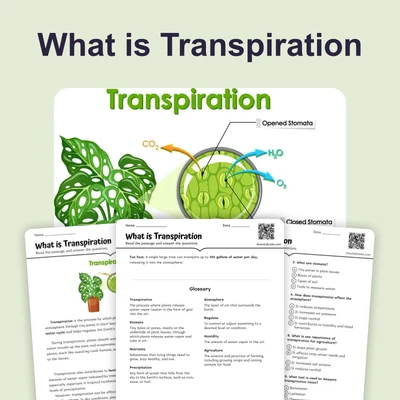
Reading Passage · RI.5.3
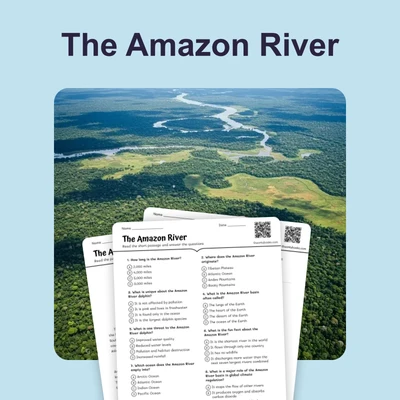
Reading Passage · RI.5.3
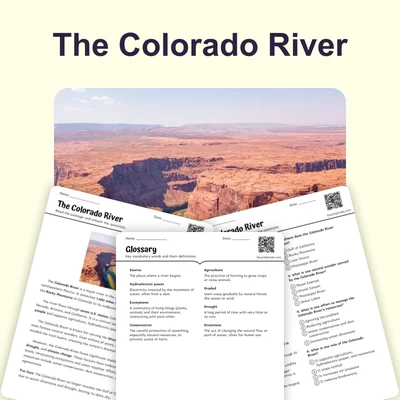
Reading Passage · RI.5.5
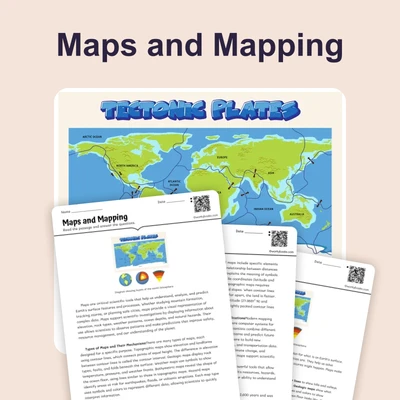
Reading Passage · MS-ESS2-2
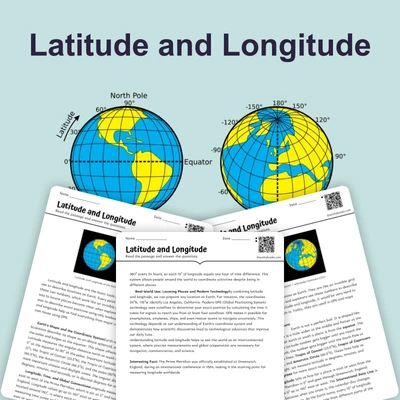
Reading Passage · MS-ESS2-2
Three ways to use Workybooks — pick what fits.
Surface Processes resources on Workybooks follow a clear K-5 progression. In the earliest grades, students observe simple landforms and learn that water and wind can move soil and rocks. As they move into upper elementary and middle school, they explore the mechanisms of weathering and erosion, study water systems like watersheds and rivers, and begin reading topographic maps. The subtopics of Weathering and Erosion, Landforms, Water Systems, and Maps and Topography are interconnected: weathering breaks down rock, erosion transports it, and water systems shape the land into recognizable landforms, which we then represent on maps.
Across this range, students build skills in observation, classification, cause-and-effect reasoning, and spatial thinking. They learn to identify landforms, explain how water cycles through watersheds, and use map symbols and contour lines. The resources include reading passages, hands-on activities, and interactive games that reinforce these concepts. Related concepts such as deposition, runoff, drainage basins, and topographic profiles are woven into the materials to provide a complete understanding of Earth's dynamic surface.
Teachers can use this hub to differentiate instruction across a mixed-ability classroom. Choose resources at different reading levels or scaffolded activities so that all students engage with the same core concepts. Use the printable worksheets for independent practice, homework, or assessment, and the digital activities for whole-group lessons on an interactive whiteboard. The reading passages work well in literacy centers or small groups, while games and graphic organizers support review and intervention. Mix and match resources to create a station rotation: one group reads about watersheds, another completes a map activity, and a third plays a weathering game. The no-prep, teacher-authored materials save planning time and are classroom-ready for any setting.
These Surface Processes resources are aligned to Common Core State Standards for reading informational text and science literacy across grades K-8, as well as to the Next Generation Science Standards for Earth science topics such as weathering, erosion, and water systems.
Yes, many of our Surface Processes worksheets are printable and can be used as no-prep classroom materials. Some resources are also available as digital activities. Please note that most resources require a paid Workybooks membership, though a few are free.
Absolutely. Our Surface Processes worksheets for kids span grades K-8, with content differentiated by reading level and complexity. Younger students focus on basic landforms and simple erosion, while older students explore watersheds, topography, and detailed weathering processes.
Yes. The hub includes resources at multiple grade levels so you can select the right fit for each student or group. Use the scaffolded versions to support struggling learners and the more advanced passages for enrichment.
The collection includes a variety of resource types: worksheets, reading passages, games, and graphic organizers. While not all are hands-on, many activities encourage observation and modeling, such as tracing watersheds or identifying landforms on maps.